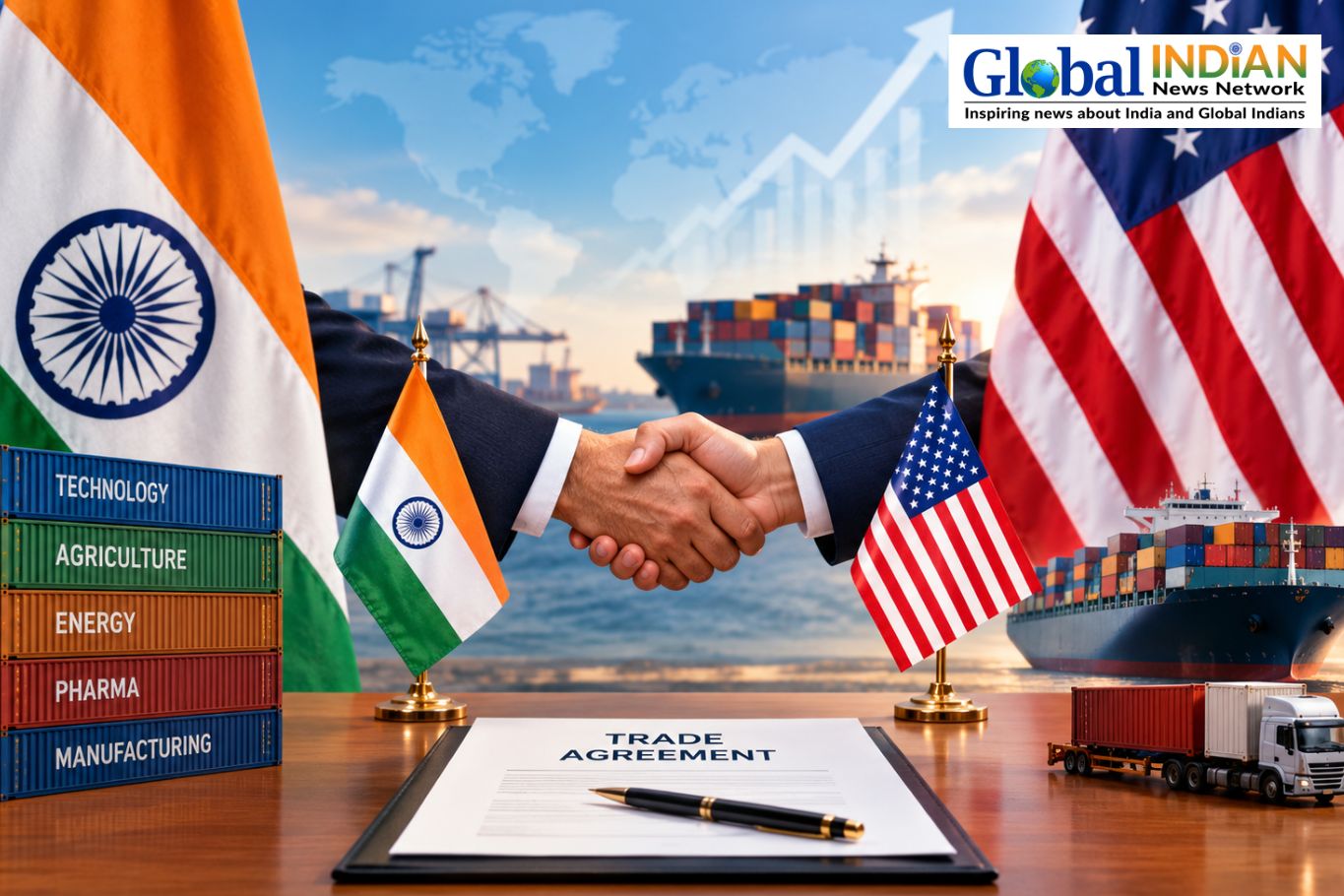
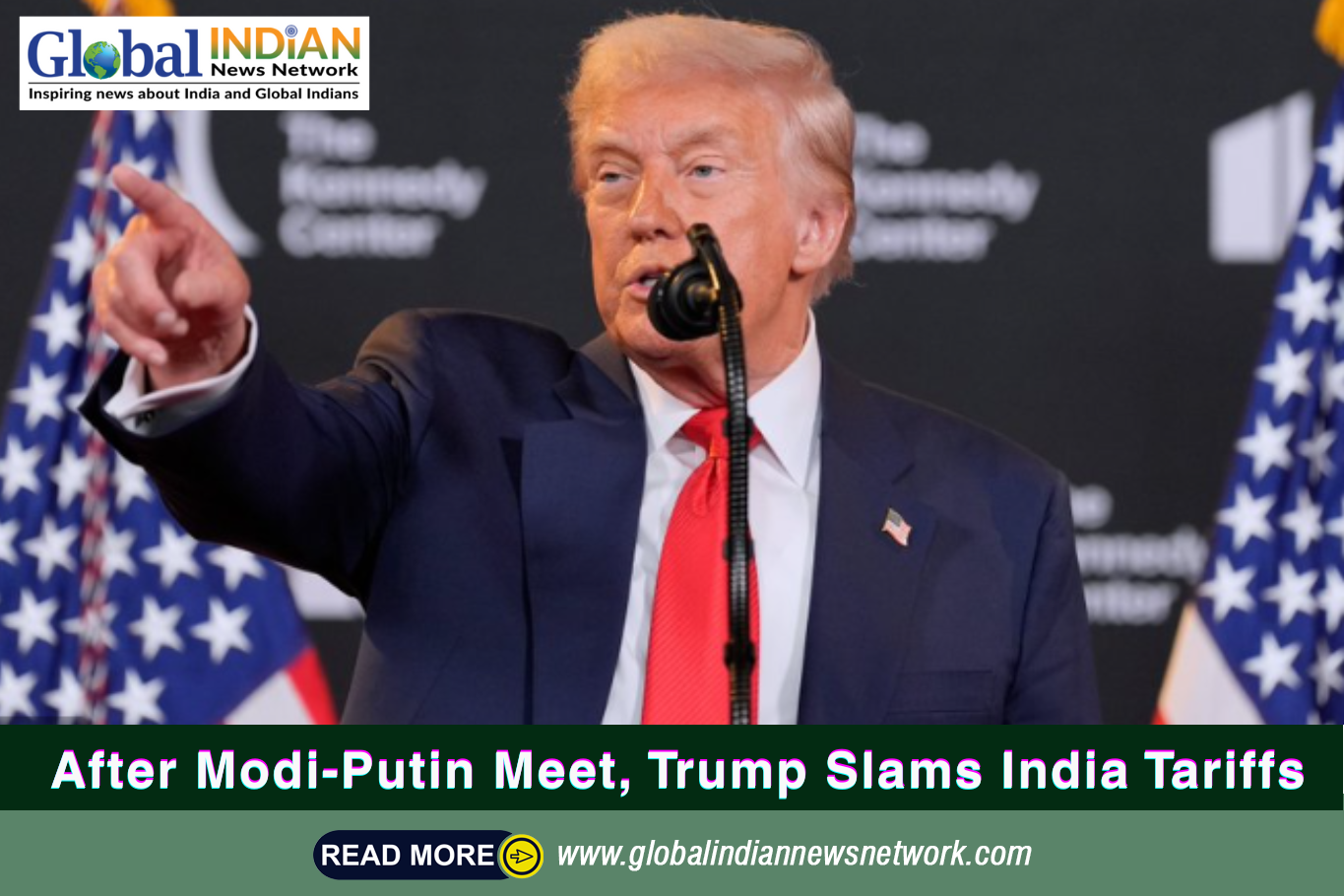
 On September 1, President Donald Trump described trade relations between the United States and India as a “one-sided disaster,” claiming that India’s offer to reduce import tariffs on American goods to zero comes far too late.
Trump argued that American businesses have been blocked from tapping into the Indian market because of what he called “the highest tariffs of any country.” Posting on his Truth Social platform, Trump said, “India sells us vast amounts of goods, and we buy from them in large volumes, but the reverse is not true. For decades, our companies have been locked out due to unfairly high tariffs. This relationship has been completely one-sided, and it’s gone on for far too long.”
Expanding on his criticism, Trump pointed to India’s strong trade ties with Russia. “India purchases most of its oil and military equipment from Russia, and very little from us. Now they have offered to cut their tariffs to nothing, but the timing is off — it should have happened years earlier,” he wrote, urging Americans to “consider the facts.”
The remarks came just hours after Prime Minister Narendra Modi met Russian President Vladimir Putin in Tianjin, China, during the Shanghai Cooperation Organisation (SCO) Summit, where trade and energy discussions were a key focus.
Tensions between Washington and New Delhi have grown in recent months. The Trump administration imposed a sweeping 50 percent tariff on Indian goods entering the U.S., sparking a new chapter in the trade dispute. India, on its part, has pushed back against what it calls “unjustified” actions by Washington, stating that its oil imports and defense purchases from Russia are shaped by national priorities and market conditions.
While India has not yet issued an official response to Trump’s latest comments, the criticism underscores widening friction between the two democracies. With energy security and defense procurement closely tied to Russian partnerships, and with tariffs weighing heavily on bilateral trade, the future of U.S.-India economic relations appears uncertain.
For now, Trump’s message signals that unless tariffs are addressed in a timely and strategic manner, Washington will continue to view the relationship as tilted in India’s favor.