 Prime Minister Narendra Modi on Monday attended the Shanghai Cooperation Organisation (SCO) summit in Tianjin, China, where he called on member nations to stand firm against terrorism. In his address, Modi highlighted the urgent need for coordinated global action and stressed that no country should maintain “double standards” when tackling terror.
He thanked the member states for their solidarity after the April 22 terror attack in Pahalgam that claimed 26 civilian lives. Modi further urged the SCO to ensure that nations supporting or enabling cross-border terrorism are held accountable. His stance was echoed in the joint declaration, as the bloc strongly condemned the Pahalgam attack, extended condolences to the victims’ families, and asserted that perpetrators and sponsors must face justice.
Beyond the formal sessions, Modi used the summit to advance key bilateral dialogues. On Sunday, he met Chinese President Xi Jinping, where both leaders pledged to work toward resolving border disputes while strengthening cooperation in trade and regional affairs. Their discussion marked a step toward easing tensions between the two Asian powers.
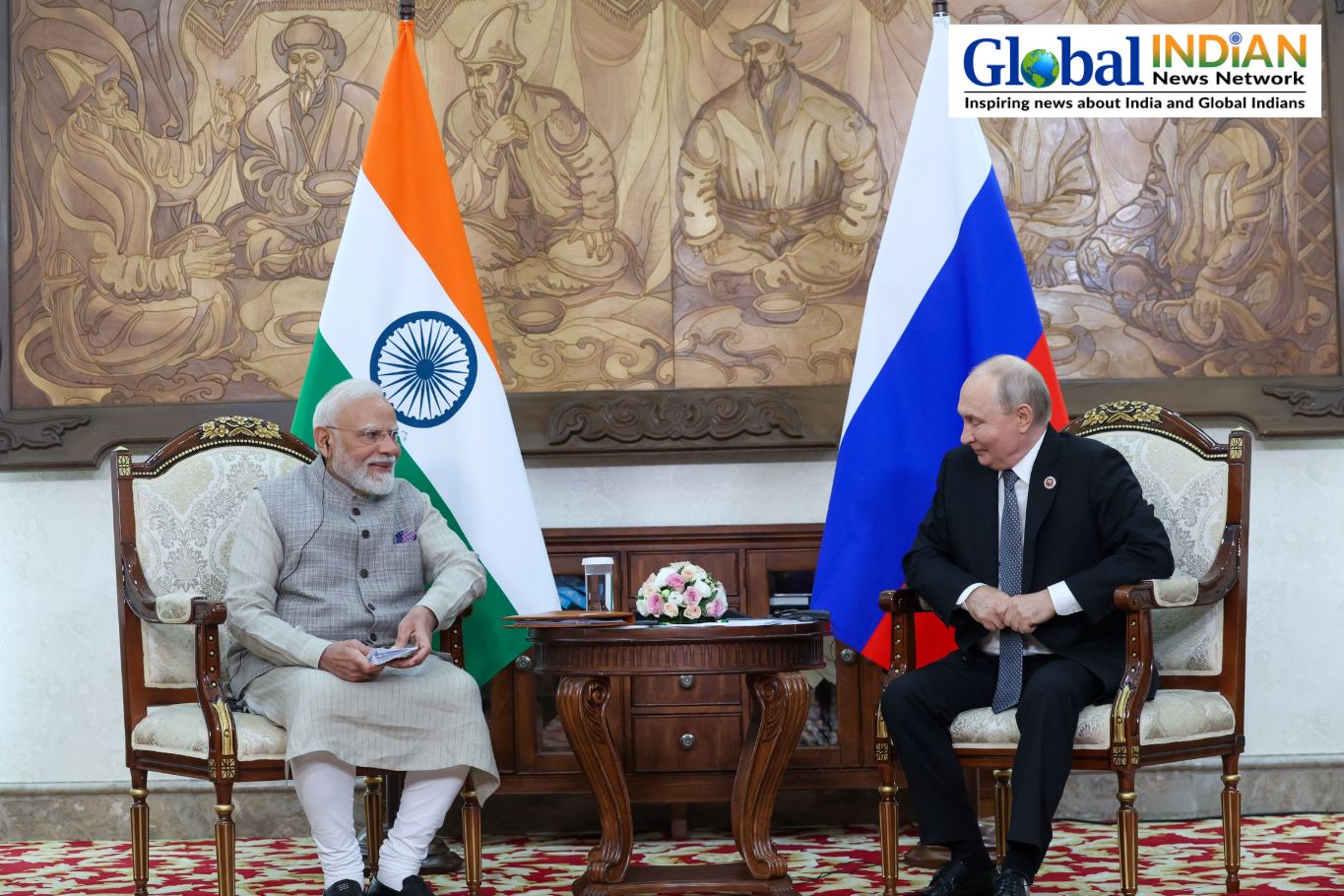
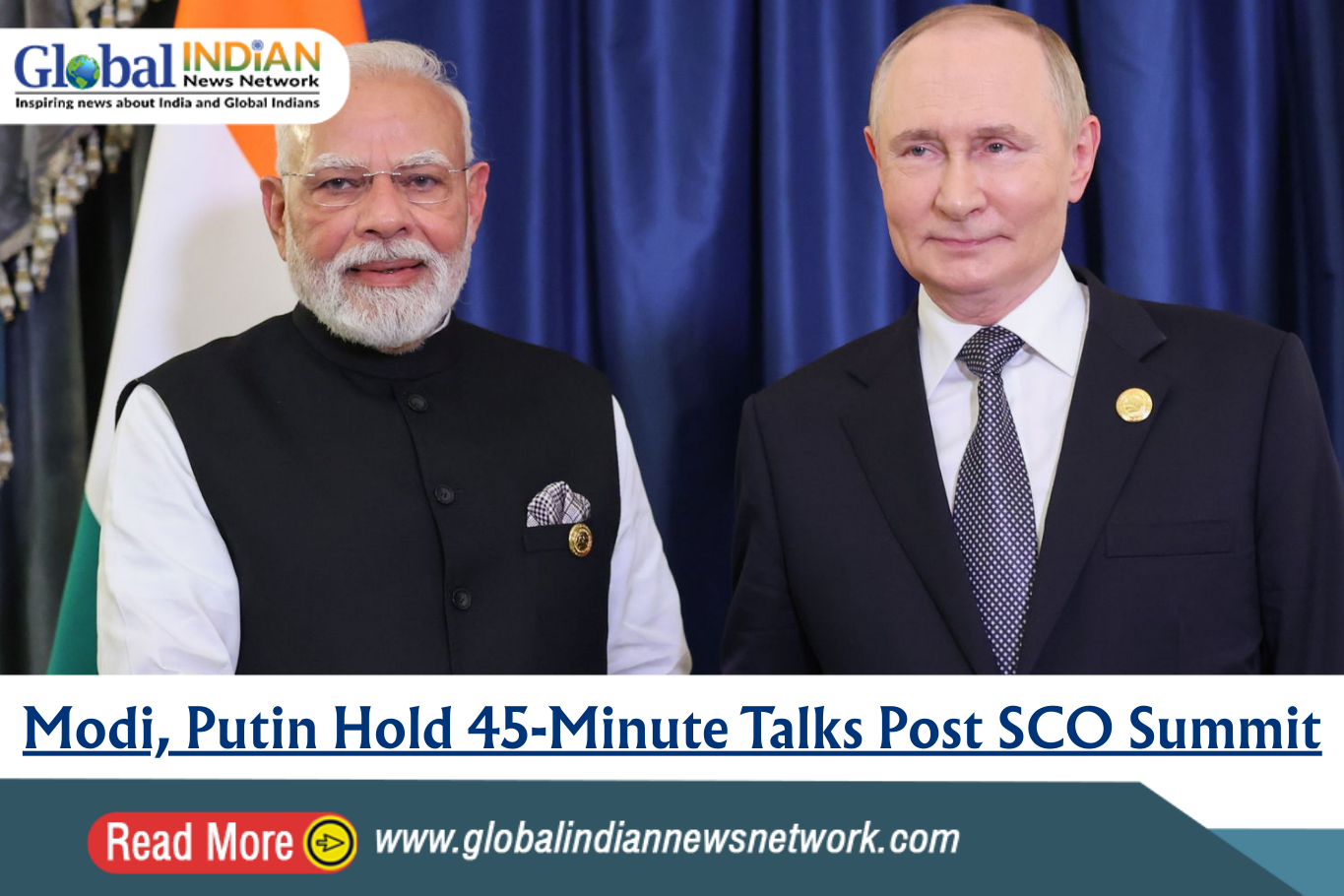
Following the summit, Modi sat down with Russian President Vladimir Putin for a 45-minute meeting, focusing on bilateral ties at a time when Washington has heightened tensions with New Delhi over its purchase of crude oil from Moscow. The dialogue underscored India’s balancing act in preserving energy security while maintaining diverse strategic partnerships.
The SCO summit thus served as both a multilateral platform and a stage for Modi’s diplomatic outreach. His call for unified action against terrorism resonated widely, while his bilateral meetings with Xi and Putin reinforced India’s intent to pursue dialogue, defend national interests, and strengthen its role in shaping regional stability.