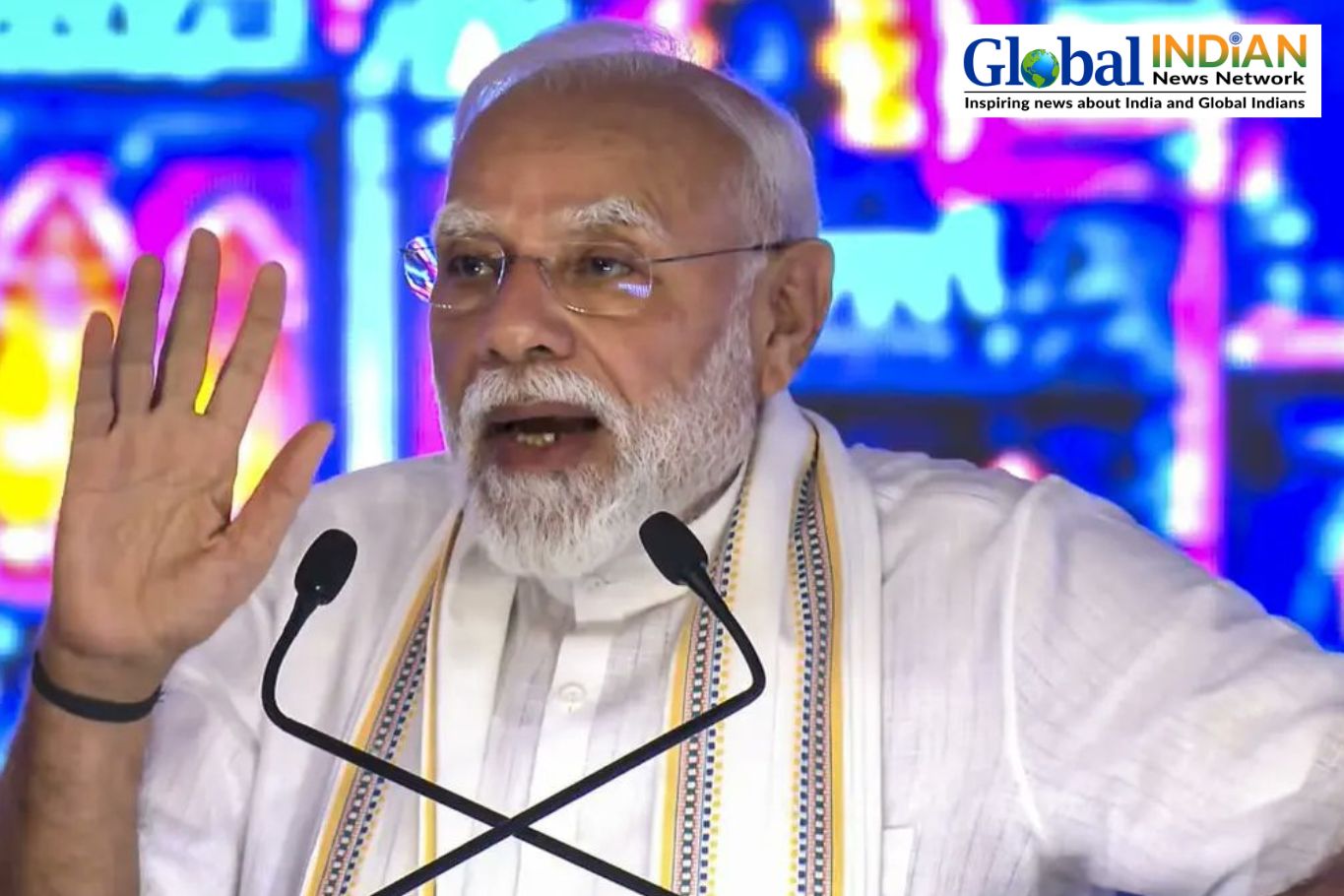
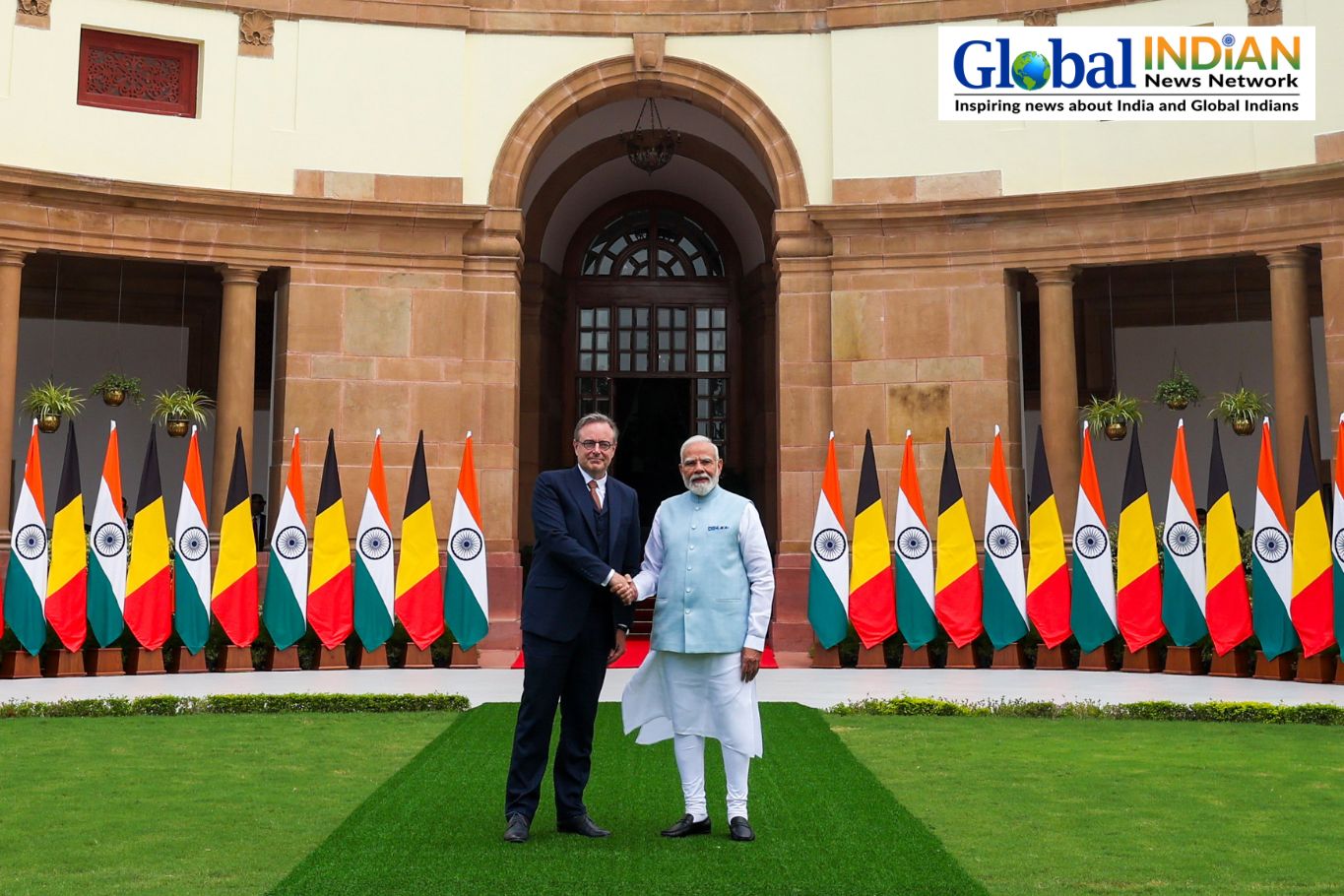
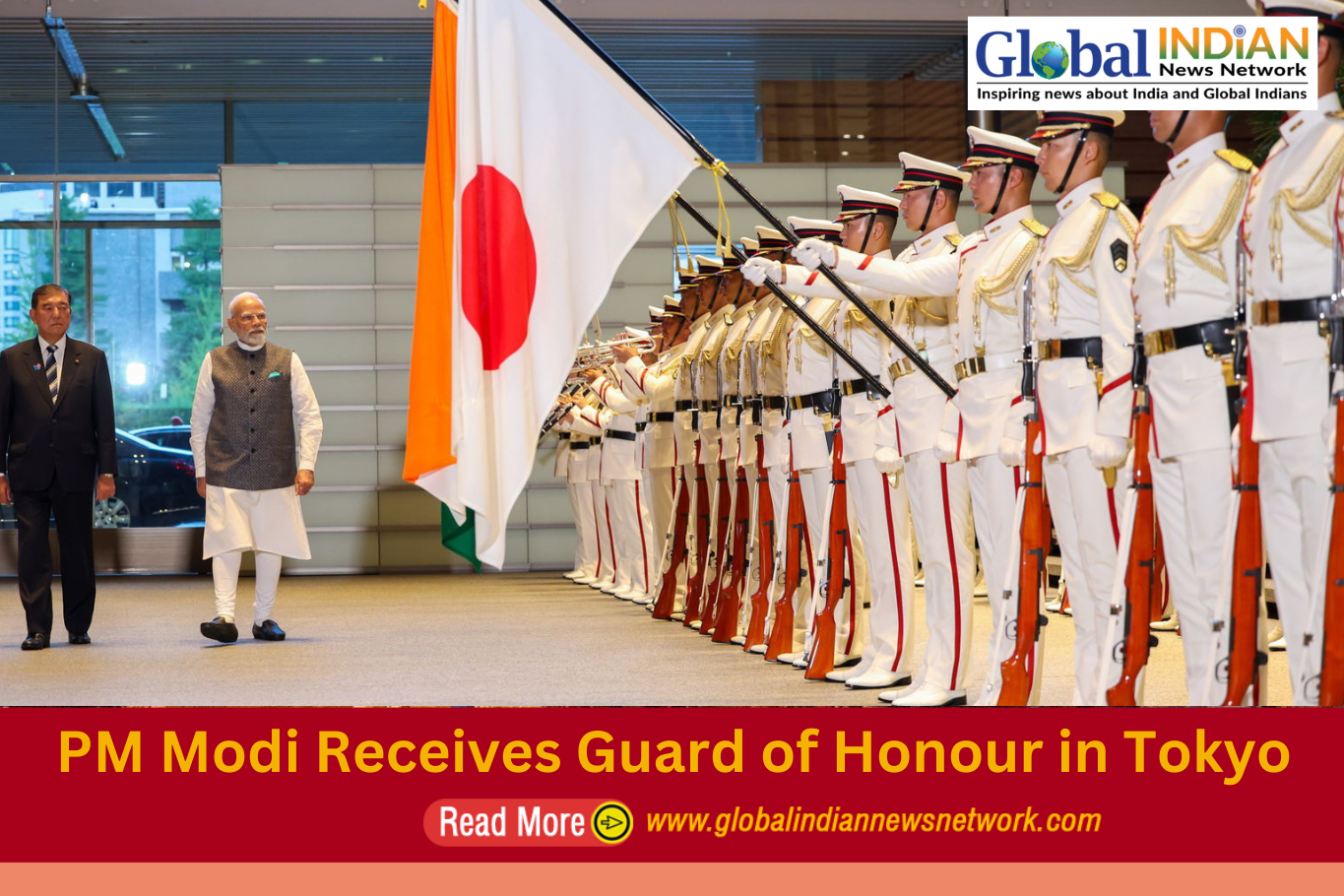
 Prime Minister Narendra Modi was welcomed with full ceremonial honors in Tokyo on August 29, 2025, as Japan accorded him a Guard of Honour at the Prime Minister’s Office (Kantei). The reception, hosted by Japanese Prime Minister Shigeru Ishiba, signaled the start of Modi’s two-day visit for the 15th India-Japan Annual Summit. The ceremony reflected the deep-rooted respect and friendship the two nations have nurtured over decades, anchored in civilizational bonds and shared strategic interests.
The leaders held extensive delegation-level discussions, reviewing the impressive progress made over the past decade in their Special Strategic and Global Partnership. Talks ranged across defense, economic security, technology, trade, and cultural exchange, with both nations reaffirming their vision of a free, stable, and prosperous Indo-Pacific.
One of the central achievements of the summit was the adoption of a Joint Vision for the Next Decade, covering eight strategic pillars from economy and mobility to health, technology, and regional cooperation. A Joint Declaration on Security Cooperation was signed, focusing on strengthening defense ties and addressing regional security challenges. Additionally, an Action Plan for Human Resource Exchange was unveiled, which aims to facilitate the movement of 500,000 people over the next five years, including 50,000 highly skilled Indian professionals in Japan.
The summit also advanced the India-Japan Economic Security Initiative, designed to fortify supply chains and expand cooperation in emerging technologies like AI, semiconductors, clean energy, critical minerals, and digital infrastructure. Nearly 100 memoranda of understanding were announced in areas ranging from cultural collaboration and digital partnerships to space technology.
Modi applauded Japan’s over $40 billion investment in India, with nearly $13 billion committed in recent years, emphasizing the complementary strengths of Japan’s technology expertise and India’s vast talent base. He envisioned a partnership that could drive Asia’s economic growth and position both nations at the forefront of the 21st-century technological revolution.
The leaders also reiterated their commitment to defense cooperation, including the Mumbai-Ahmedabad bullet train project powered by Japanese Shinkansen technology. They jointly condemned terrorism in all its forms and pledged enhanced counter-terrorism collaboration.
Before concluding, Modi invited Prime Minister Ishiba to visit India later in 2025 for the Quad Leaders’ Summit, an invitation warmly accepted. This visit marks another milestone in the India-Japan journey as they prepare to celebrate 75 years of diplomatic relations in 2027.