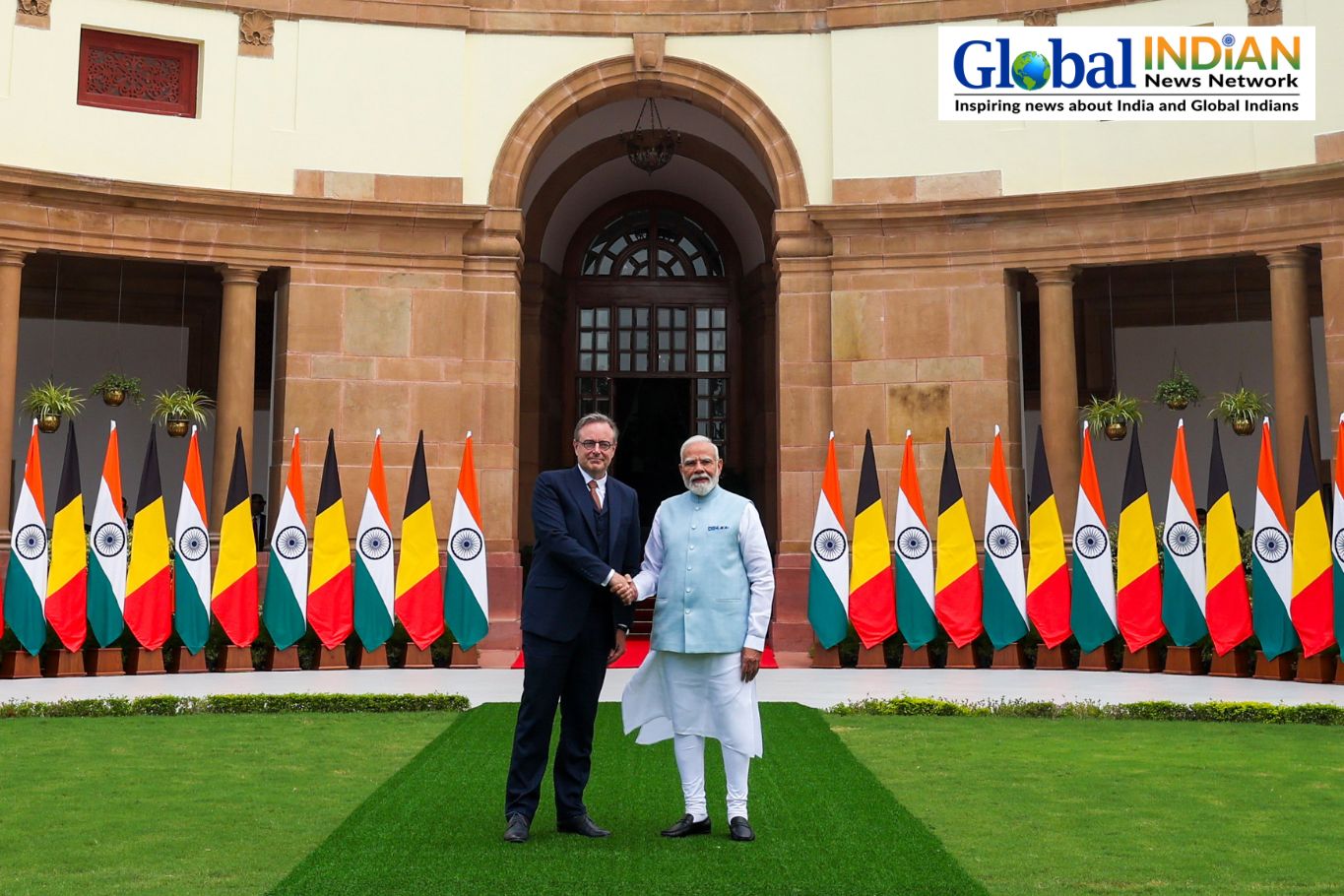
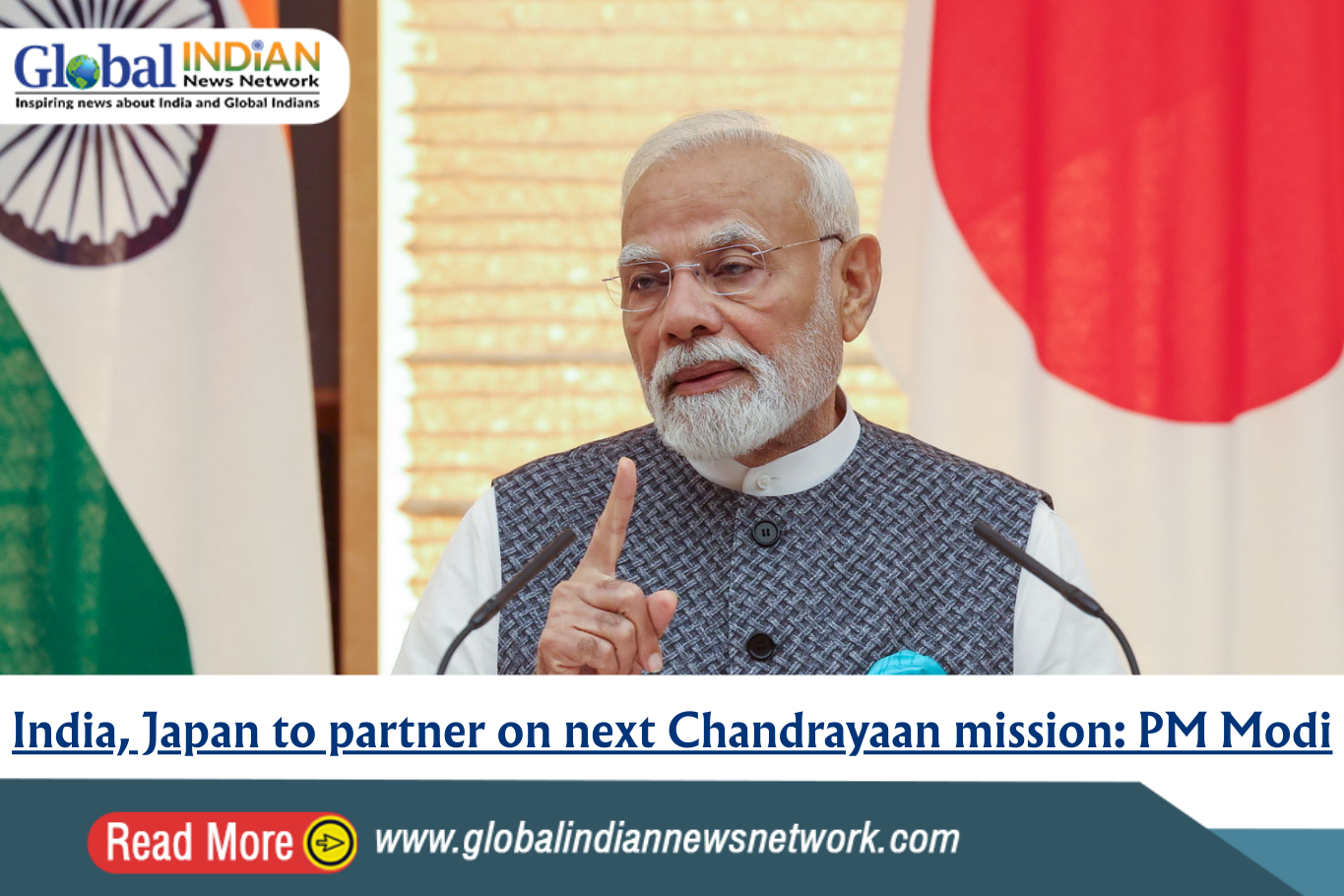
 Prime Minister Narendra Modi, during his official visit to Japan, emphasized a renewed phase in India-Japan cooperation while meeting Japanese Prime Minister Shigeru Ishiba. Addressing the media after their discussions, Modi announced that both countries would collaborate on the upcoming LUPEX (Lunar Polar Exploration) mission, part of the Chandrayaan program. This mission aims to study the permanently shadowed regions of the moon’s south pole, a scientific leap that promises to deepen humanity’s understanding of lunar resources and space exploration.
Highlighting the broader vision, Modi stressed that cooperation between India and Japan is not limited to space but extends to global peace and regional stability. He described the day’s dialogue as the foundation of a “new and golden chapter” in the Special Strategic and Global Partnership that the two nations share. The leaders agreed on a comprehensive roadmap designed to guide their collaboration for the next ten years, setting ambitious goals in trade, technology, and innovation.
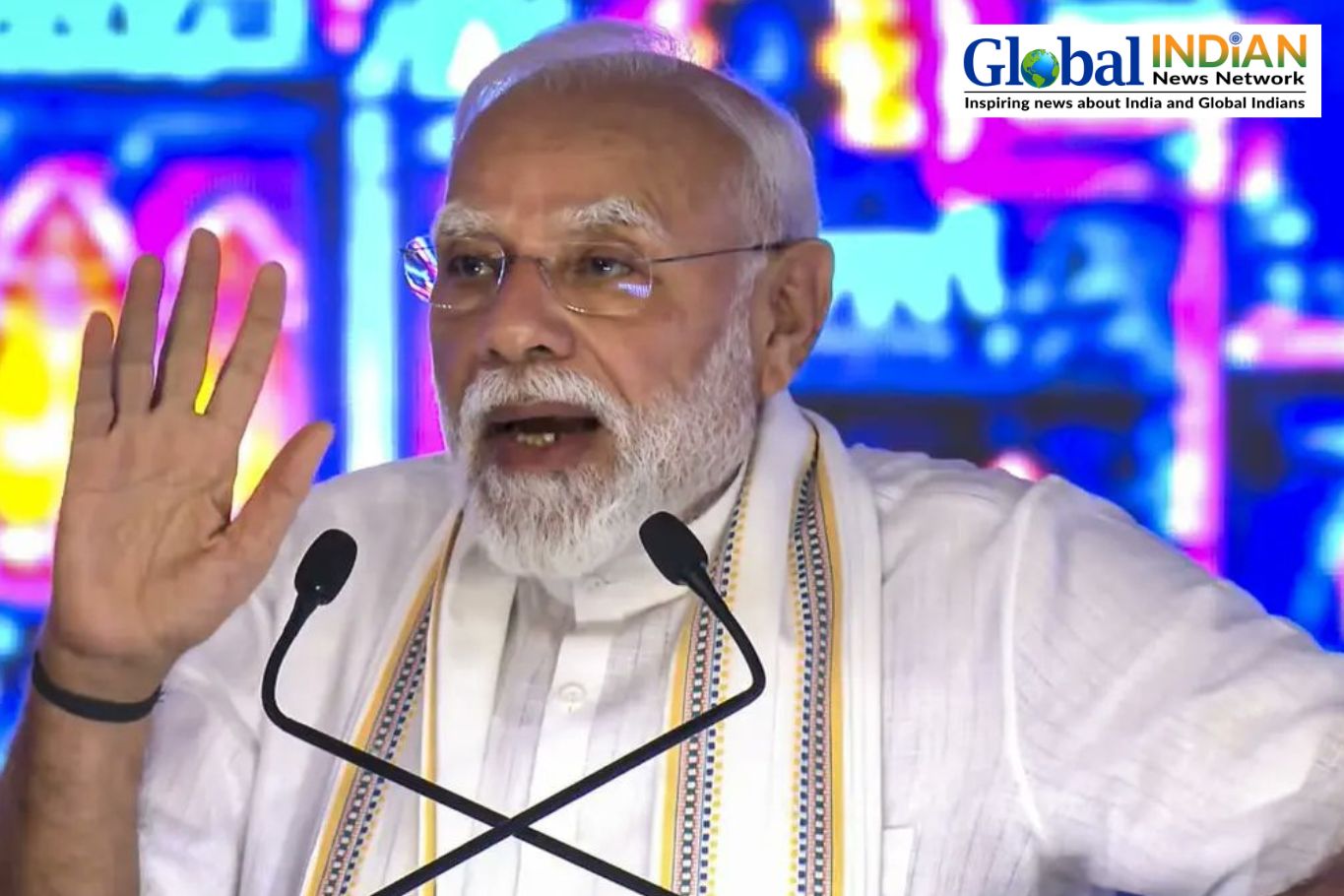
Earlier, at the India-Japan Economic Forum in Tokyo, Modi positioned India as one of the world’s most dynamic investment destinations. He pointed out that international investors were increasingly turning to Delhi as a growth hub, not just observing developments but actively relying on India to shape global economic momentum. He urged Japanese companies to consider India as a central pillar for their Asia-Pacific investment strategies.
Laying out the agenda for this landmark visit, Modi stated that talks with Ishiba were centered on elevating the India-Japan partnership to its next phase. This includes advancing cooperation in emerging technologies such as artificial intelligence and semiconductors—sectors projected to drive global markets worth hundreds of billions of dollars in the coming decade. Both sides agreed that innovation and technological exchange would be vital to sustaining economic resilience and global competitiveness.
The prime minister’s Japan trip runs through August 30 and is followed by a visit to China, where Modi will participate in the Shanghai Cooperation Organisation summit in Tianjin on August 31 and September 1. The summit is expected to bring together key global leaders, and Modi is likely to hold a bilateral meeting with Chinese President Xi Jinping. This sequence of engagements underscores India’s growing role in shaping regional security and global economic realignments.