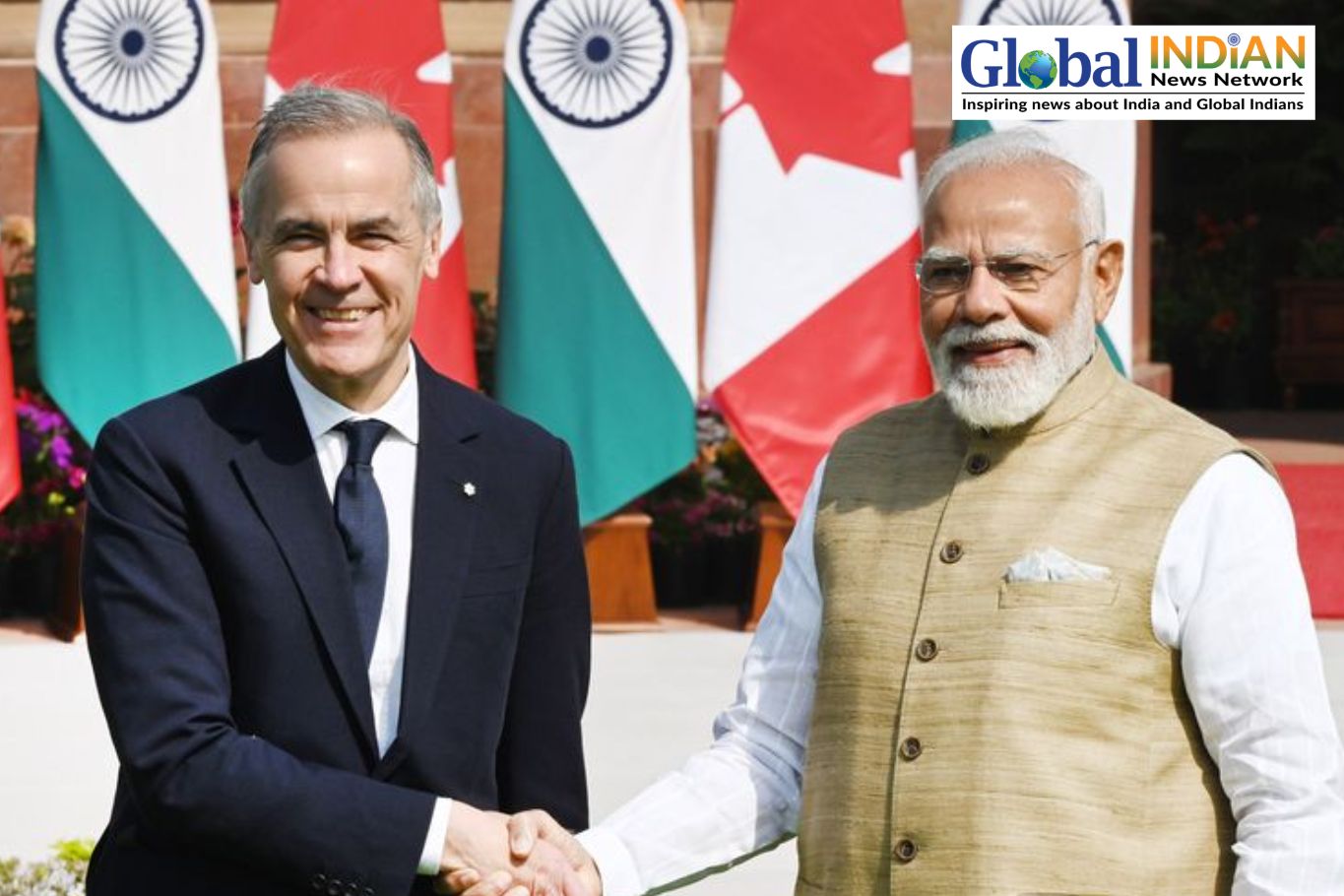
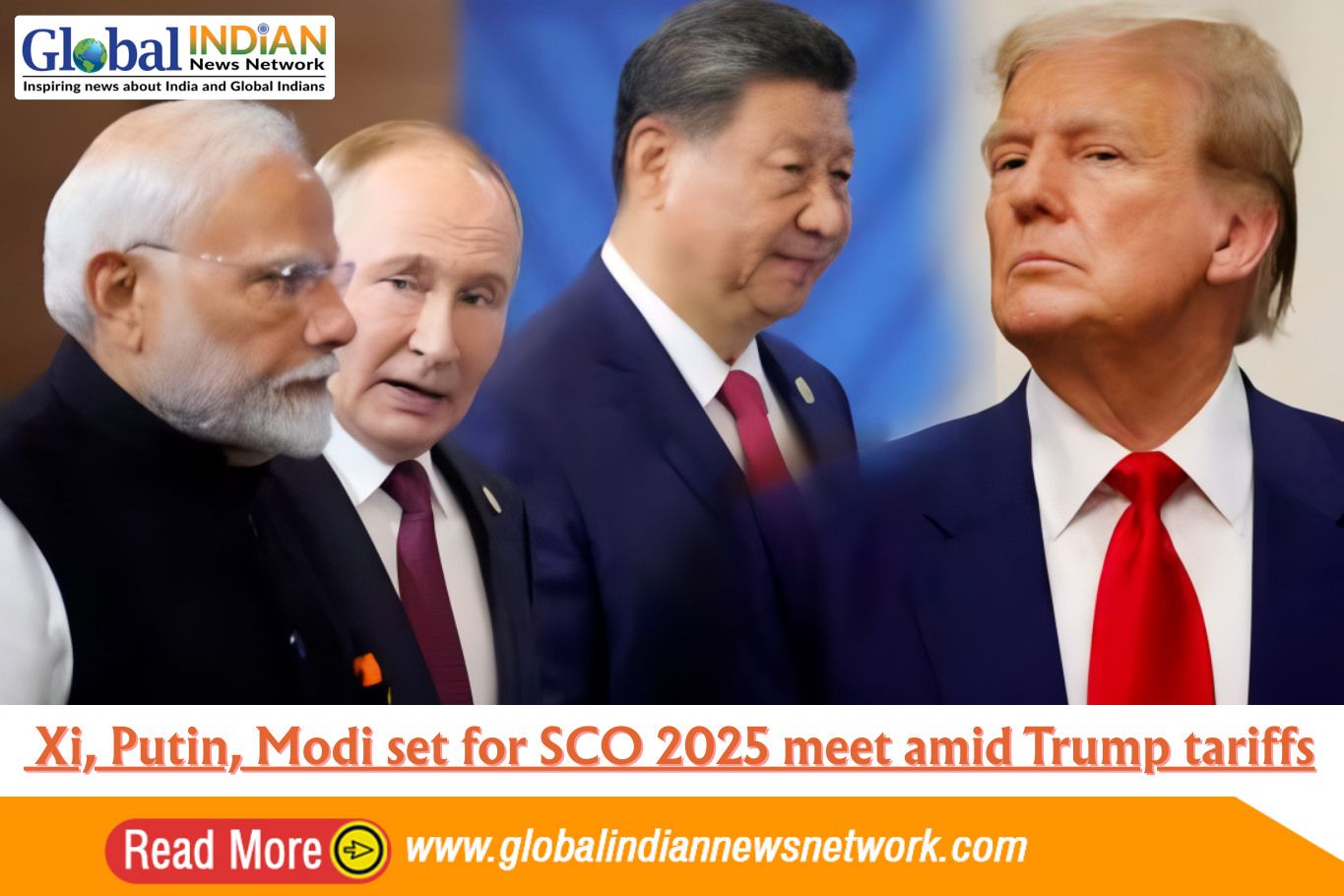
 Prime Minister Narendra Modi is entering a critical phase of foreign policy as he prepares to meet Chinese President Xi Jinping and Russian President Vladimir Putin at the Shanghai Cooperation Organisation (SCO) summit later this week. The visit comes just as Washington doubles tariffs on Indian exports, creating new strains in India-US trade relations.
Starting August 27, the United States raised tariffs to 50% on key Indian exports, striking industries that employ millions of workers. Shrimp, apparel, leather, and gems & jewelry are among the hardest hit. These products account for a significant share of India’s $86 billion annual shipments to the US. While pharmaceuticals, electronics, and petroleum have been spared, more than half of India’s exports will now face higher duties.
Analysts see the move as Washington’s response to India’s continued reliance on Russian oil and defense supplies despite US objections. Until now, Indian goods carried a 25% tariff, but the doubling of rates poses a serious challenge for exporters. “While the tariffs add some downside tail risk, it is too early to consider forecast changes,” said Madhavi Arora, Chief Economist at Emkay Global, noting that global trade adjustments are proving far from smooth.
Against this tense backdrop, Modi will travel to Tianjin, China, from August 31 to September 1, for his first visit to the country in over seven years. Xi is set to host more than 20 world leaders in what will be the largest SCO summit since the bloc’s formation in 2001. With 10 permanent members and 16 observer and dialogue partners, the SCO is increasingly projected by Beijing as an alternative to US-led alliances.
Putin’s participation adds further weight. Marginalized by the West since the Ukraine war, he has leaned on platforms like the SCO to maintain his relevance. For Modi, appearing alongside both Xi and Putin just days after US tariffs were imposed highlights India’s pursuit of a multipolar approach.
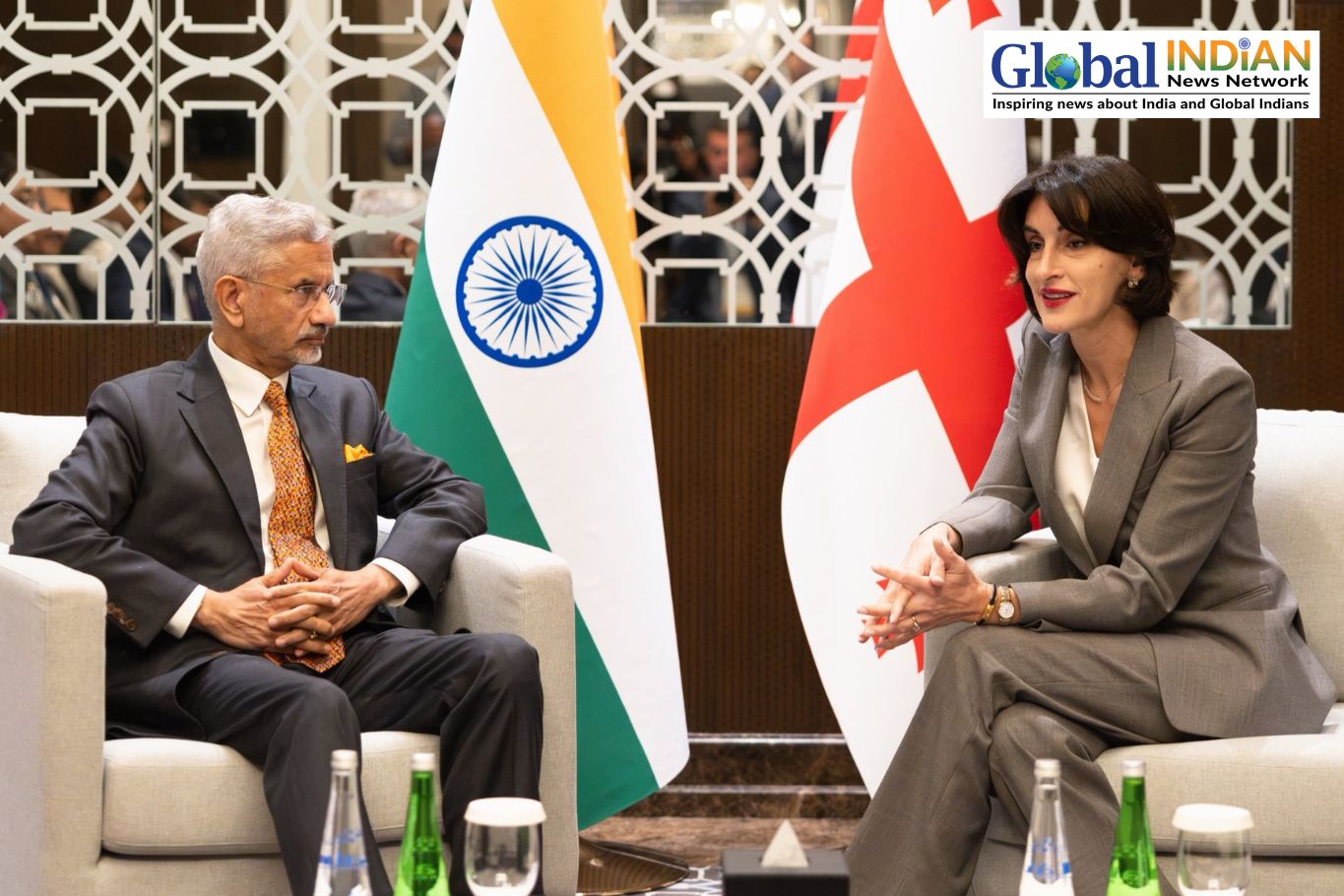
Ahead of the summit, External Affairs Minister S. Jaishankar’s recent Moscow visit underscored India’s intent to keep ties with Russia intact. Modi will also visit Japan from August 28–30 for his annual summit with Prime Minister Shigeru Ishiba, signaling New Delhi’s effort to balance relations with democratic partners while engaging rivals.
At Tianjin, Modi is expected to reiterate India’s principles of sovereignty, regional connectivity, and cooperation. Analysts will closely watch whether the talks ease tensions with China and open new avenues of economic and visa cooperation. For India, the summit is not about choosing sides but about preserving flexibility in a world where trade and power alignments are shifting rapidly.