Standing atop Delhi’s historic Red Fort, Prime Minister Narendra Modi startled his own officials when he announced a sharp cut in consumption taxes. Government insiders revealed that bureaucrats had been steadily working on an overhaul of India’s goods and services tax (GST), but the plan was months away from finalization. State finance ministers, responsible for handling most of the revenue shortfall from the tax cut, say they had little warning before Modi’s public declaration.
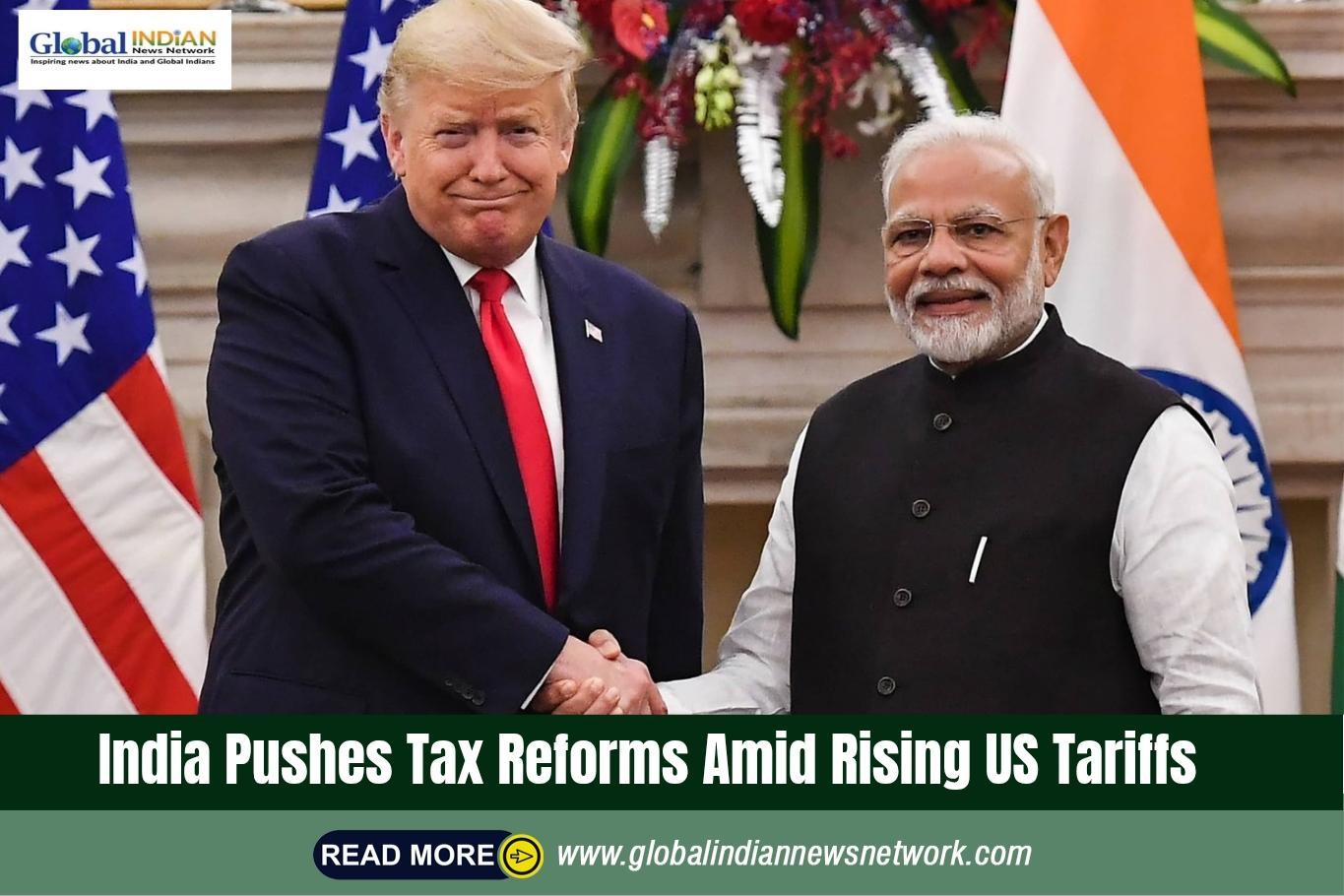
The sudden move comes as India faces tariffs of up to 50% on its exports to the United States starting this week. Concerned about the potential shock to growth, Modi’s administration is rushing through key policy reforms. Washington’s tariff threats have injected new urgency into long-pending reforms that businesses and economists argue are critical to restoring investment momentum.
Alongside tax changes, Modi used his Independence Day address to promise “next-generation reforms” that would slash compliance costs and repeal outdated laws. India has long carried the stigma of being a difficult place to do business due to complex regulations and overlapping permits. Such hurdles have discouraged investment and slowed major projects. For instance, factory rules often incentivize companies to run multiple small units instead of scaling larger operations.
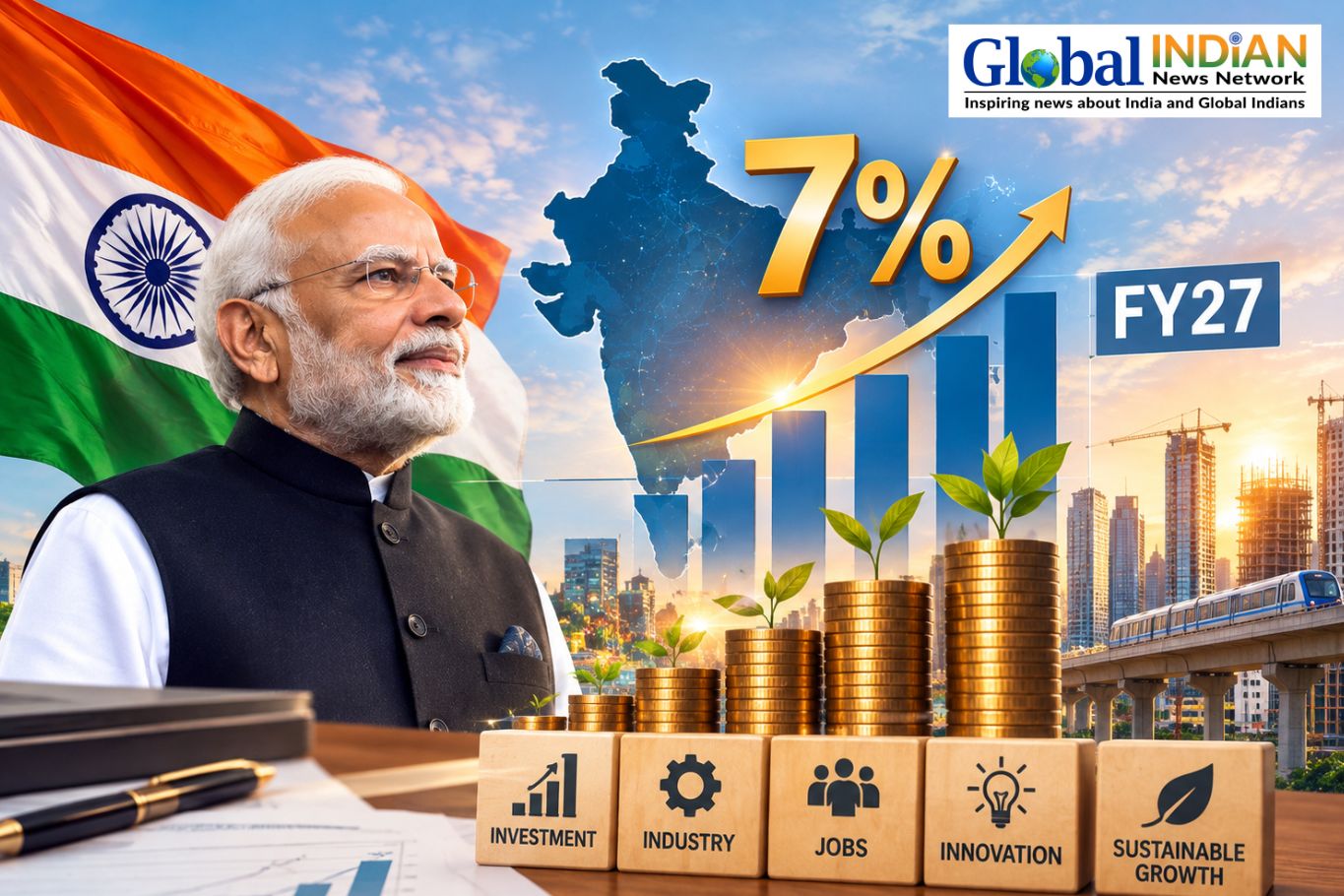
To address these issues, the Prime Minister has formed two high-level committees: one headed by Cabinet Secretary T.V. Somanathan to examine state-level deregulation, and another led by Rajiv Gauba of Niti Aayog to craft broader reform strategies. Economists advising Modi believe that growth of 6.5% in the year through March 2026 is still attainable, supported by low inflation and stable financial conditions. Standard & Poor’s recently upgraded India’s credit rating for the first time in nearly two decades, while healthy banks provide fiscal space for reform.
Proposed GST changes would simplify the system by reducing four tax brackets to two. Goods will now be taxed at 12% and 28%, while lower rates of 5% and 18% would apply to essential categories. Analysts at IDFC First Bank estimate the cuts could boost nominal GDP by 0.6 percentage points within a year, primarily through stronger consumer spending on essentials like food and clothing.
Although exports to the US reached $87.4 billion in 2024, they account for just 2% of India’s GDP, underscoring the economy’s dependence on domestic demand, which makes up about 60% of output. The government is also weighing support measures for sectors like textiles, jewelry, and footwear to cushion the blow from tariffs.
Economists caution that reforms will bring short-term pain but argue they are vital for creating the foundation for India’s next phase of high growth.