 India is expected to weather the impact of the US tariff hike of 50% more effectively than many other nations, thanks to its robust domestic demand and sector-specific exemptions. According to S&P Global Ratings, the tariff increase, effective August 27, will have uneven effects across industries. Labour-intensive sectors like textiles and gems and jewellery may experience only moderate disruptions, while pharmaceuticals, smartphones, and steel are relatively insulated due to existing exemptions, prior tariffs, and strong internal consumption.
Other sectors, such as capital goods, chemicals, automobiles, and food and beverages, are likely to face the most significant adjustments. The US move to double tariffs on Indian exports is primarily in retaliation for New Delhi’s oil trade with Moscow, and it will affect roughly 50%-60% of India’s total exports to the US.
Despite the global trade pressures, the overall macroeconomic impact is expected to be softened by India’s large domestic market. Reports from Morgan Stanley and Fitch underscore that India has the lowest goods exports-to-GDP ratio in Asia, making it less exposed to external trade slowdowns. Fitch projects that India’s economy could maintain growth of approximately 6.5% in fiscal year 2026 despite the tariff measures.
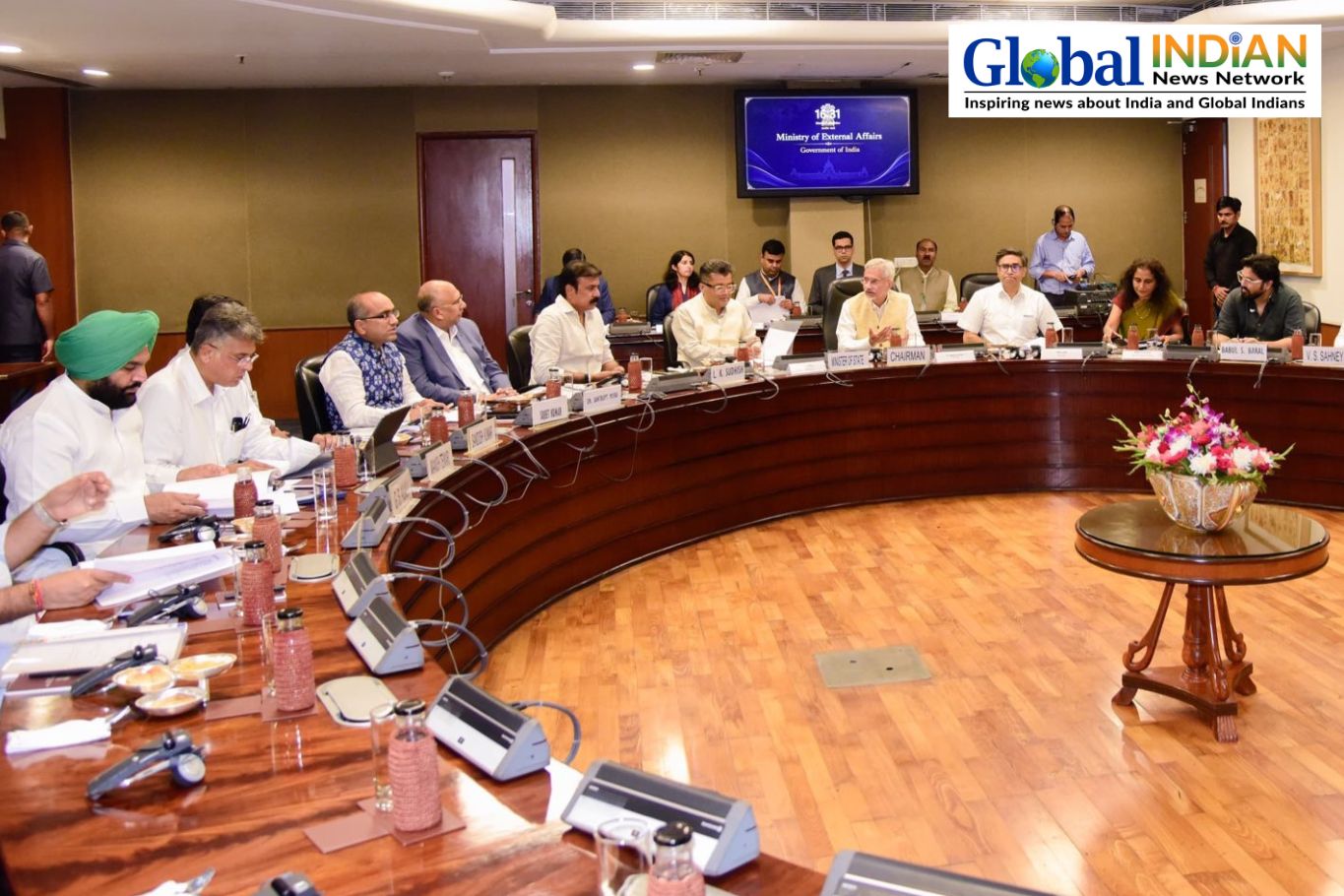
External Affairs Minister S. Jaishankar defended India’s oil purchases from Russia, emphasizing that India is neither the largest importer of Russian crude nor acting in isolation. He highlighted that India has also increased its oil imports from the United States, following national interests and contributing to global market stability. Jaishankar noted that China remains the biggest buyer of Russian oil, while the EU leads in LNG imports. He stressed that India’s strategy is diversified, ensuring no overreliance on a single source.
The combination of domestic demand resilience, diversified trade sourcing, and sector-specific safeguards positions India to absorb much of the shock from US tariff increases while sustaining economic growth and stability.