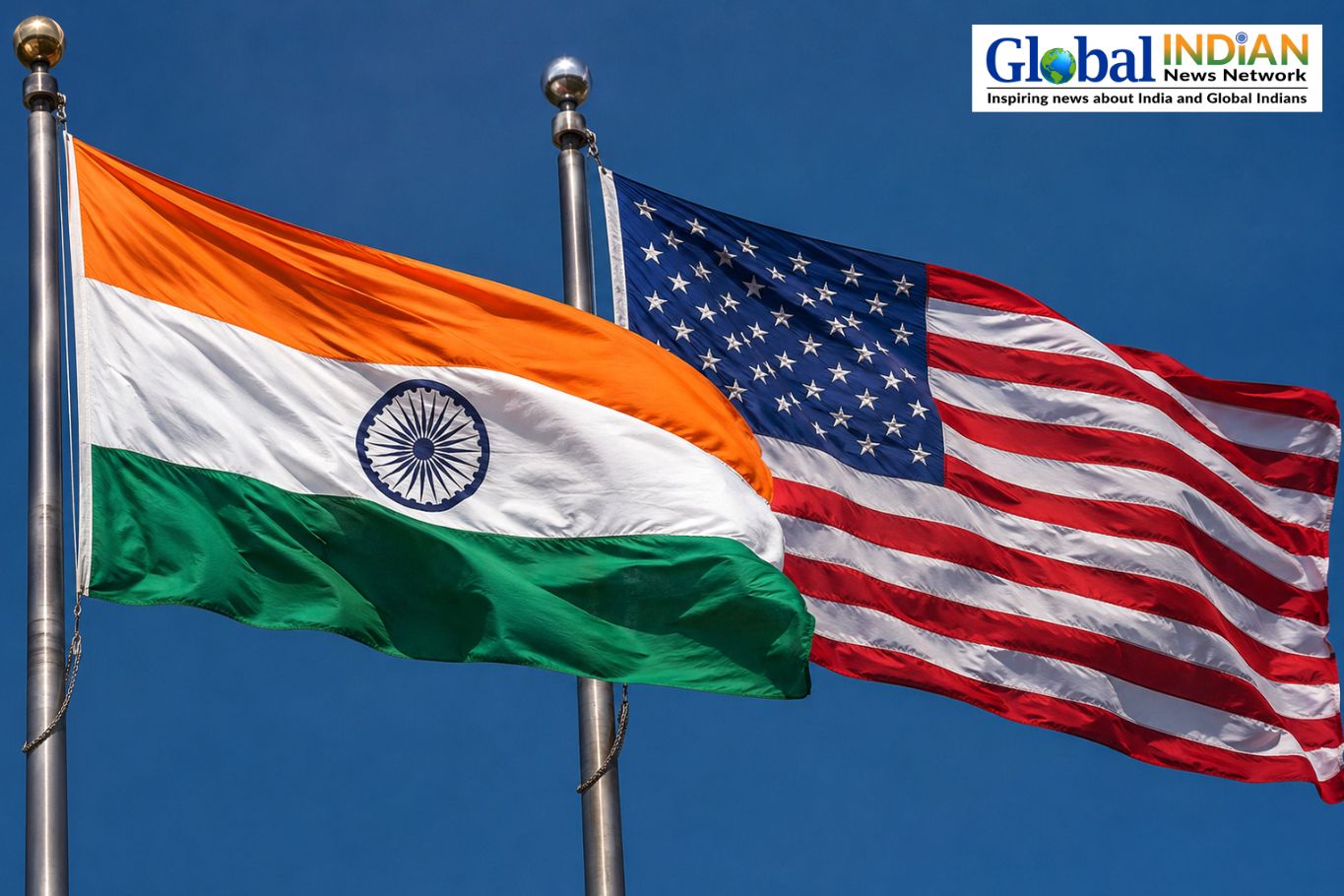
The much-anticipated sixth round of trade negotiations between India and the United States may not happen as planned later this month, with officials indicating a likely postponement. The US delegation was scheduled to arrive in New Delhi from August 25 to 29 to continue talks on the proposed bilateral trade agreement (BTA), but a senior official told PTI that the visit is expected to be rescheduled.
The delay comes at a sensitive moment, as India prepares for a steep escalation in tariffs on its exports to the US. From August 27, tariffs on Indian goods are set to climb to 50 percent, up from the 25 percent already in place since early August. The increase comes as an additional penalty for India’s continued imports of Russian crude and defense equipment — a decision Washington views as undermining sanctions against Moscow.
Five rounds of talks have already been completed on the trade deal, which both governments had hoped to advance steadily this year. However, the postponement highlights persisting differences, particularly on market access for US agricultural and dairy products. Washington has been pressing for concessions in these sectors, but New Delhi has firmly resisted, citing risks to the livelihoods of small farmers and cattle rearers. Indian officials have reiterated that protecting domestic producers remains a non-negotiable priority.
Despite these challenges, both sides have publicly committed to pushing ahead with the trade deal, with a goal of concluding the first phase of the BTA by fall 2025. Longer-term ambitions are more expansive: leaders in both capitals have pledged to more than double bilateral trade to $500 billion by 2030, compared to the current $191 billion.
The tensions over tariffs come even as trade volumes show encouraging growth. Between April and July, India’s exports to the US rose by 21.64 percent, reaching $33.53 billion, while imports from the US increased by 12.33 percent to $17.41 billion, according to figures from the Commerce Ministry. The United States remained India’s largest trading partner in the April-July 2025-26 period, with total bilateral trade hitting $12.56 billion.
Still, the shadow of tariffs looms large. The steep hikes threaten to erode recent gains and delay progress toward a broader trade pact. For New Delhi, the challenge is to safeguard domestic interests while keeping dialogue open, whereas Washington is seeking assurances on market access and energy policy. With talks now delayed, the path forward for the India-US trade deal appears more complex than ever.