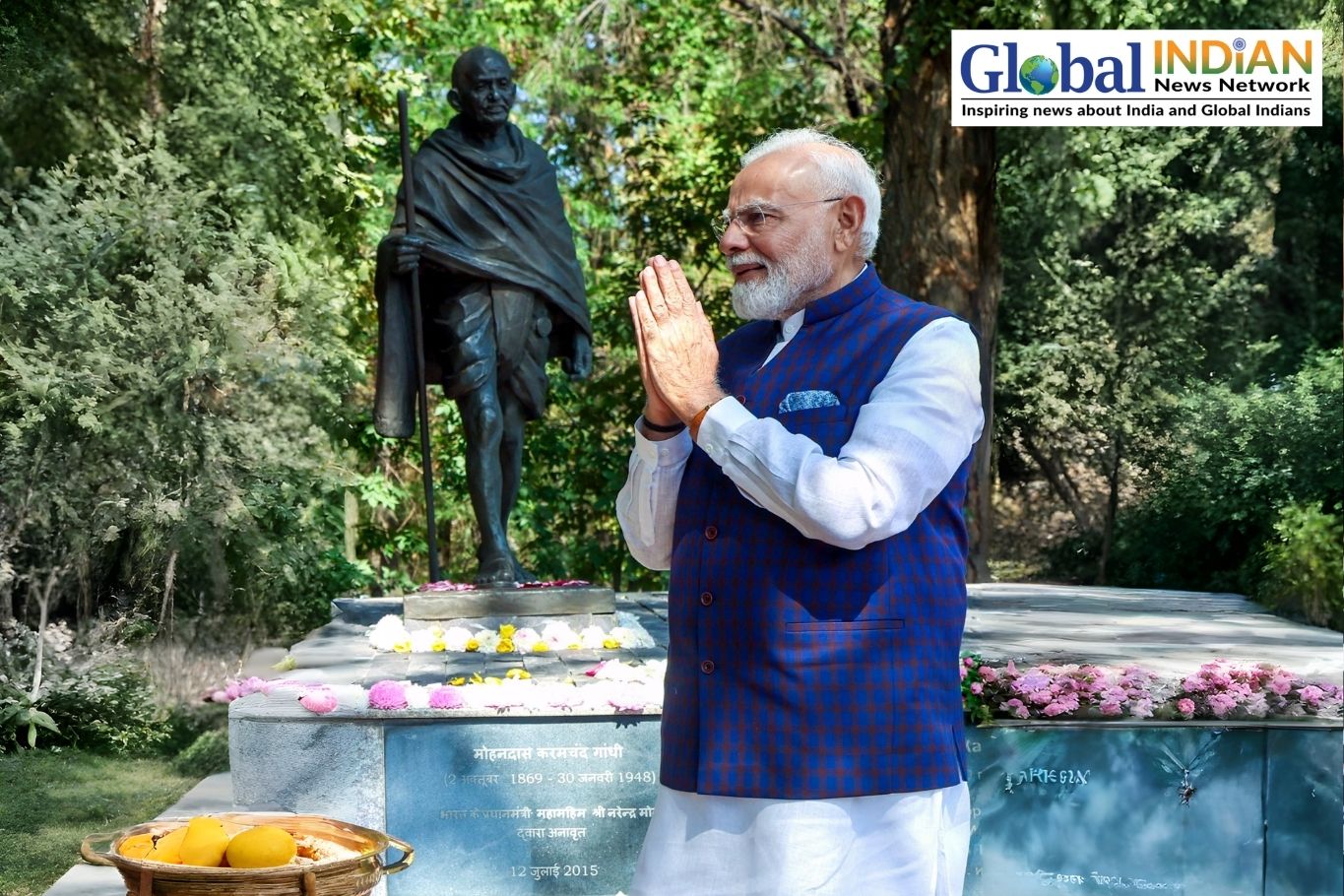
 On Thursday, Prime Minister Narendra Modi paid heartfelt homage to those who endured the immense suffering and disruption of India’s 1947 Partition, as the nation observed Partition Horrors Remembrance Day.
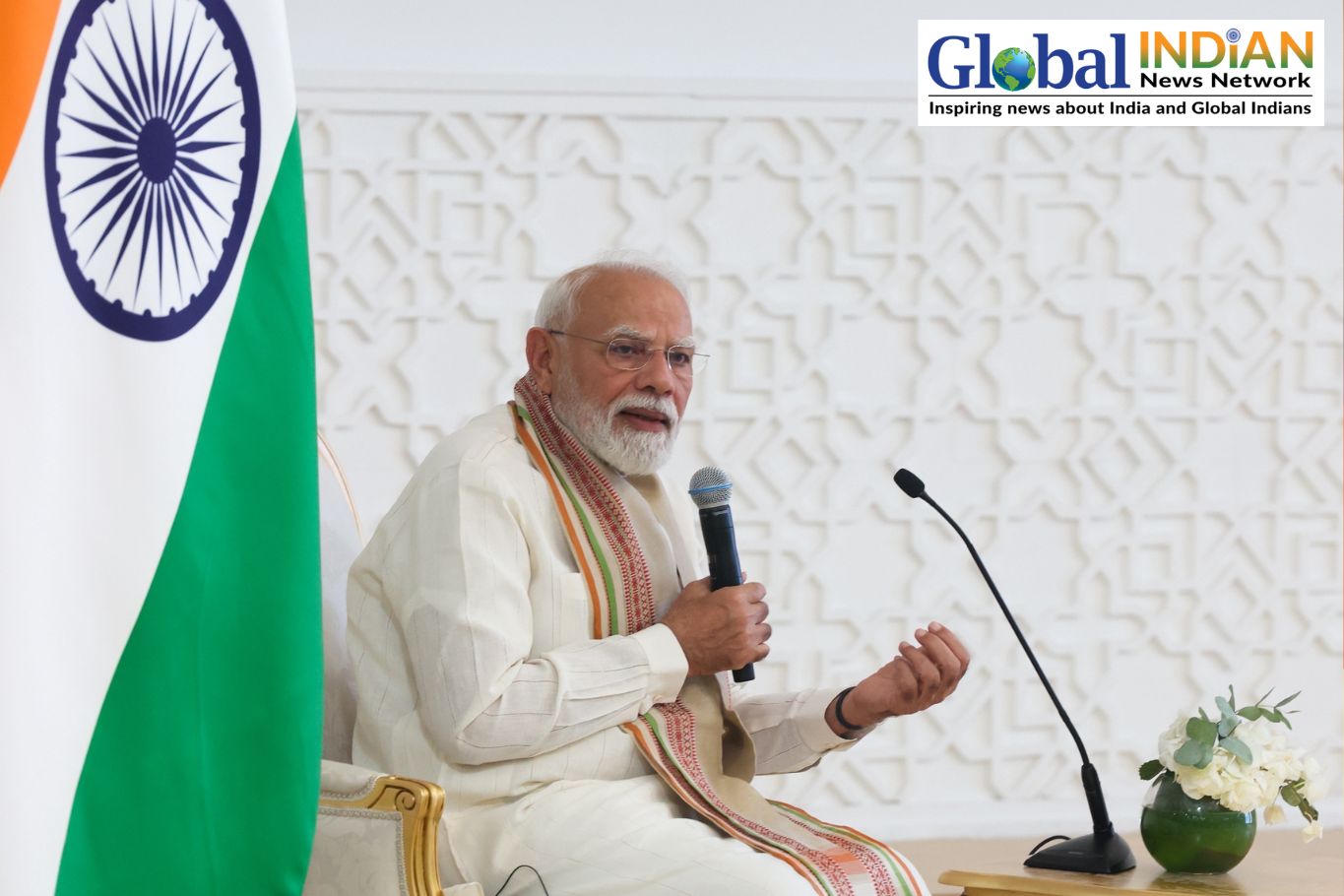
In a message shared on X, PM Modi described Partition as a “tragic chapter” in India’s history, recalling the pain and upheaval experienced by millions. “India observes #PartitionHorrorsRemembranceDay, remembering the hardships faced by countless individuals during that difficult period. It is also a day to honor their grit… their ability to face unimaginable loss and still find the strength to start anew,” he wrote.
The Prime Minister emphasized the importance of unity, urging citizens to strengthen the bonds that hold the country together. “Many of those affected rebuilt their lives and achieved remarkable milestones. This day reminds us of our lasting responsibility to preserve harmony in our nation,” he added.
Earlier in the day, Union Health Minister and BJP President Jagat Prakash Nadda also marked the occasion, calling for solidarity and resilience against divisive elements. In his X post, Nadda honored the memory of those who, while suffering displacement and immense pain, lost their homes, possessions, and lives during the turmoil. He described the day as a somber reminder of the cruelty endured during migration and noted that under PM Modi’s leadership, observing this day keeps the memory alive as part of nation-building.
He further urged citizens to pledge their commitment to safeguarding the unity and integrity of the country and to “give a befitting reply to anti-national forces.”
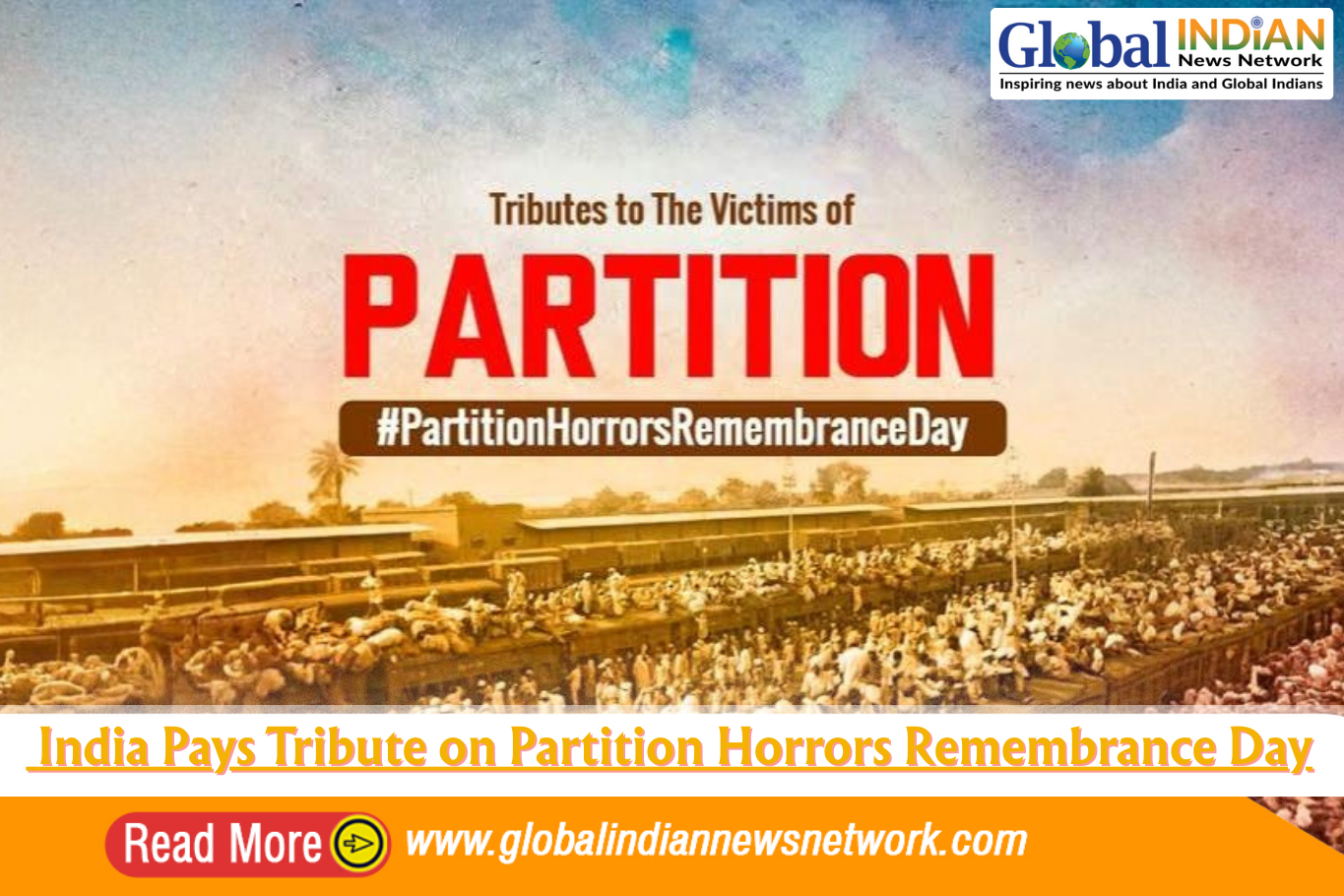
Partition Horrors Remembrance Day is observed annually on August 14 to pay tribute to the millions displaced and the countless lives lost during the division of India in 1947. While Independence Day on August 15 is celebrated as a moment of national pride, the previous day serves as a reminder of the trauma and violence that accompanied freedom.
The Partition of India resulted in one of the largest migrations in recorded history, affecting an estimated 20 million people. Families were forced to abandon their ancestral homes and begin anew as refugees, carrying the pain of loss and separation. The violence and upheaval of that period remain deeply etched in the nation’s memory, and the day serves as a solemn acknowledgment of their sacrifices.