 The ongoing tariff tensions between India and the United States have taken a new turn, with the US proposing a 50 percent tariff on Indian goods, raising concerns about its potential impact on the pharmaceutical sector.
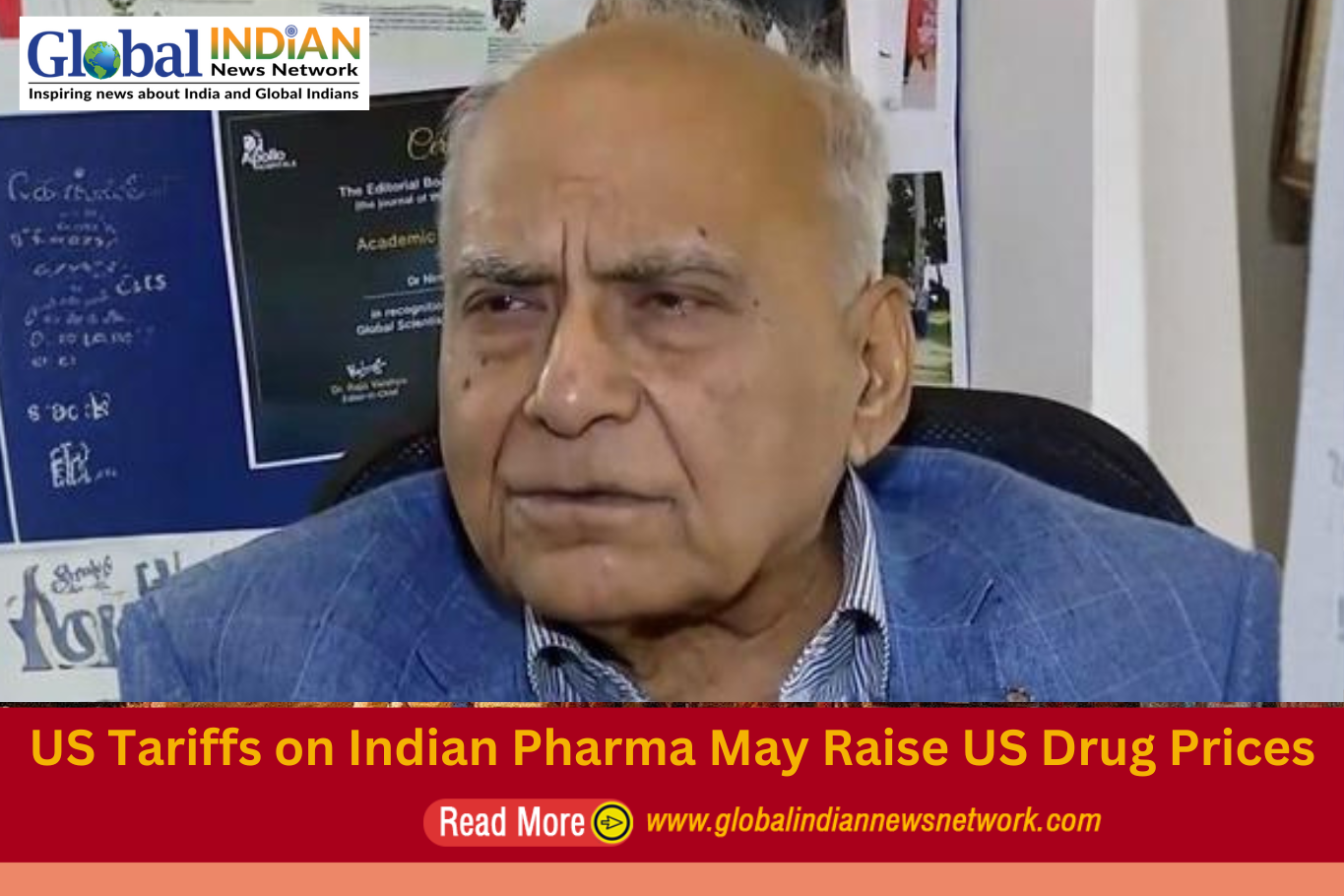
Former Director General of the Indian Council of Medical Research (ICMR), Dr. N.K. Ganguly, highlighted that India supplies nearly 80 percent of the world’s generic medicines. He explained that India’s pricing policies, government schemes, and promotion of generic prescriptions ensure that medicines remain affordable. Under initiatives like the Pradhan Mantri Janaushadhi Yojana, medicines are available at significantly reduced prices, and online ordering has further expanded access.
Life-saving medicines, including those for cancer and HIV, are manufactured in India, with reduced tariffs making them more accessible for countries in need. Dr. Ganguly emphasized that any nation increasing tariffs ultimately harms itself, as higher import duties on affordable medicines only burden their own citizens.
He noted that few countries apart from India manufacture such medicines, as production requires significant manpower, infrastructure, and investment—costs that are much higher abroad. Many nations do not produce generic medicines at all and depend entirely on imports.
According to Dr. Ganguly, the proposed US tariffs are unlikely to hurt India. Instead, the real damage will be felt in the US, where consumers will have to pay more for essential medicines. India, as the world’s largest producer of affordable generic drugs, will remain a key supplier despite the trade barriers.