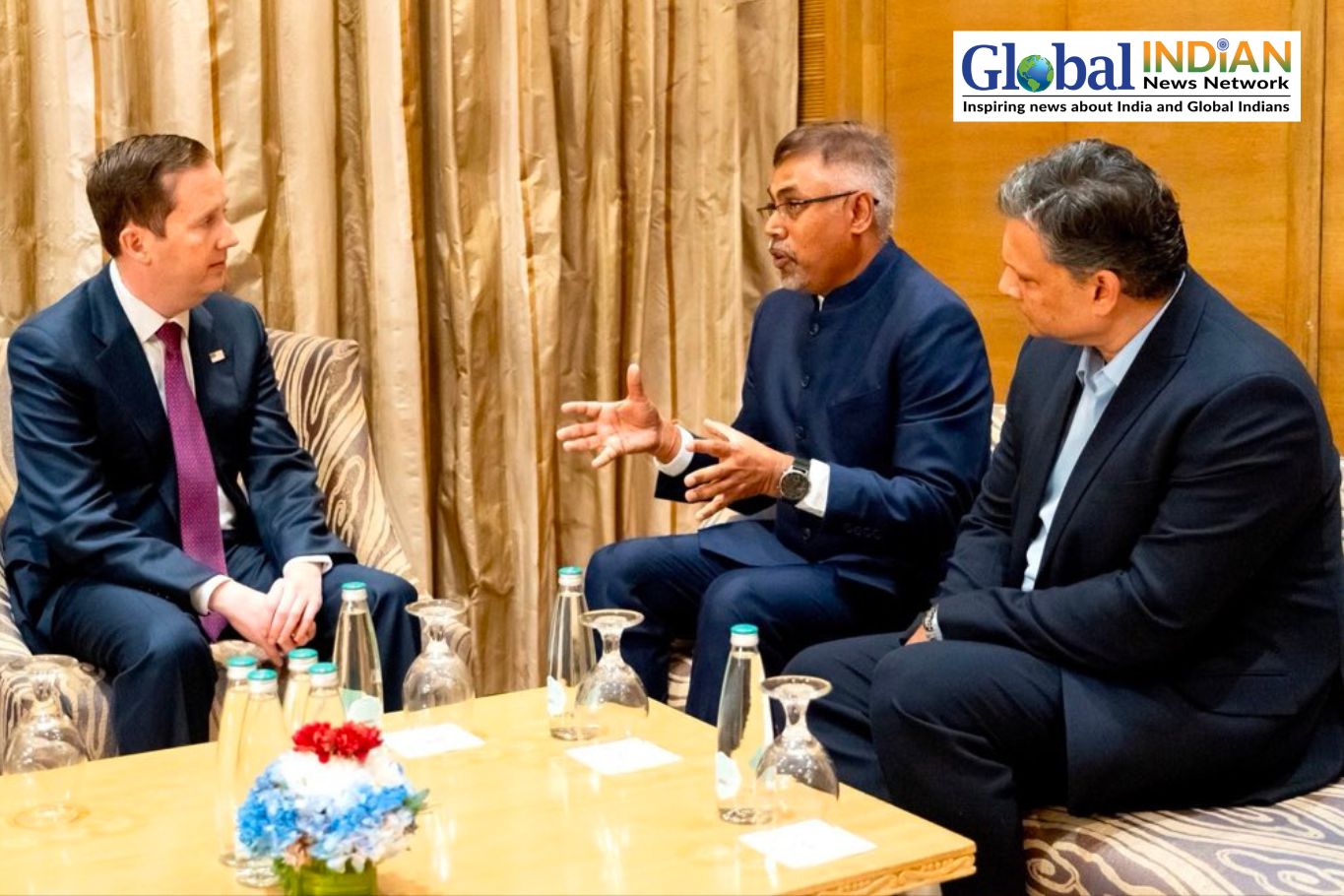
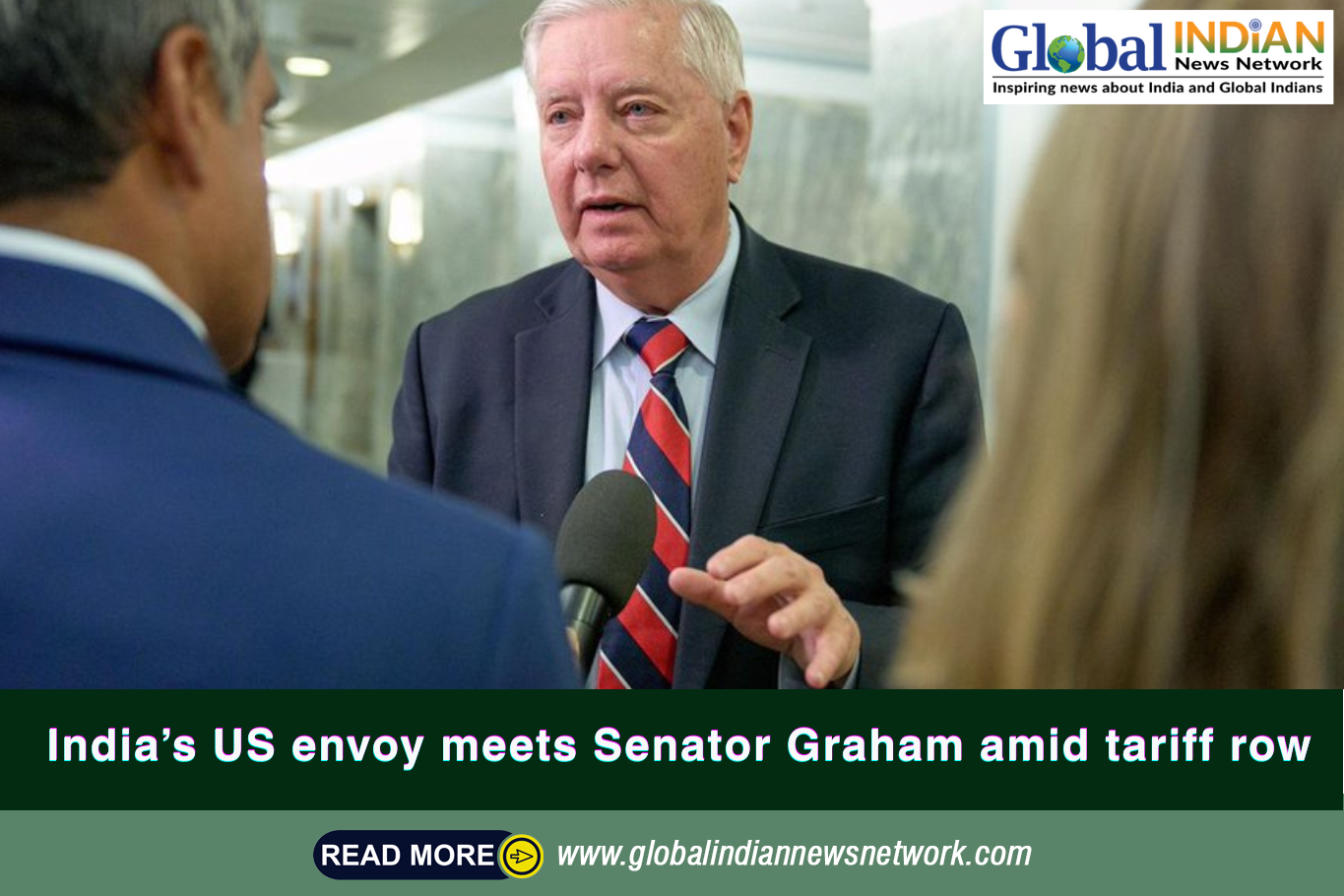
 India’s ambassador to the United States, Vinay Mohan Kwatra, recently held talks with influential Republican Senator Lindsey Graham as trade negotiations between New Delhi and Washington remain stalled. The meeting came in the wake of President Donald Trump’s decision to impose punitive tariffs on countries purchasing Russian oil.
Kwatra, in a statement on X, noted that he discussed India’s approach to energy security and highlighted the growing energy trade between the two nations. His outreach followed Graham’s remarks urging India to help end the Ukraine war. The senator posted that one of the most meaningful contributions India could make to strengthen bilateral ties would be to assist President Trump in concluding the ongoing conflict.
Meanwhile, President Trump is set to meet Russian President Vladimir Putin in Alaska on August 15. This meeting is aimed at negotiating an end to the war, with Trump warning that failure to reach an agreement could lead to additional sanctions. The temporary dialogue between the two leaders eases the immediate threat of stricter US energy sanctions, which Western nations see as a tool to cut off revenue to Russia’s war machine.
On India’s side, Petroleum Minister Hardeep Singh Puri stressed that the country has significantly diversified its oil supply sources, reducing dependence on any single market. India now imports crude from 40 nations, compared to just 27 in 2007. Puri expressed confidence in global supply stability, citing increased output from countries like Brazil and Canada.
Puri also defended India’s continued oil trade with Moscow, stating it had been vital in preventing a global price spike during the early days of the Ukraine conflict. Without these purchases, he noted, prices could have surged to $130 per barrel. Before the war, Russian oil accounted for a mere 0.2% of India’s imports; today, it stands close to 40%, still under the $60 per barrel price cap but outside direct sanctions.
Amid speculation, India has denied reports that it paused defense procurement discussions with the US, reaffirming its commitment to ongoing strategic dialogue despite trade frictions.