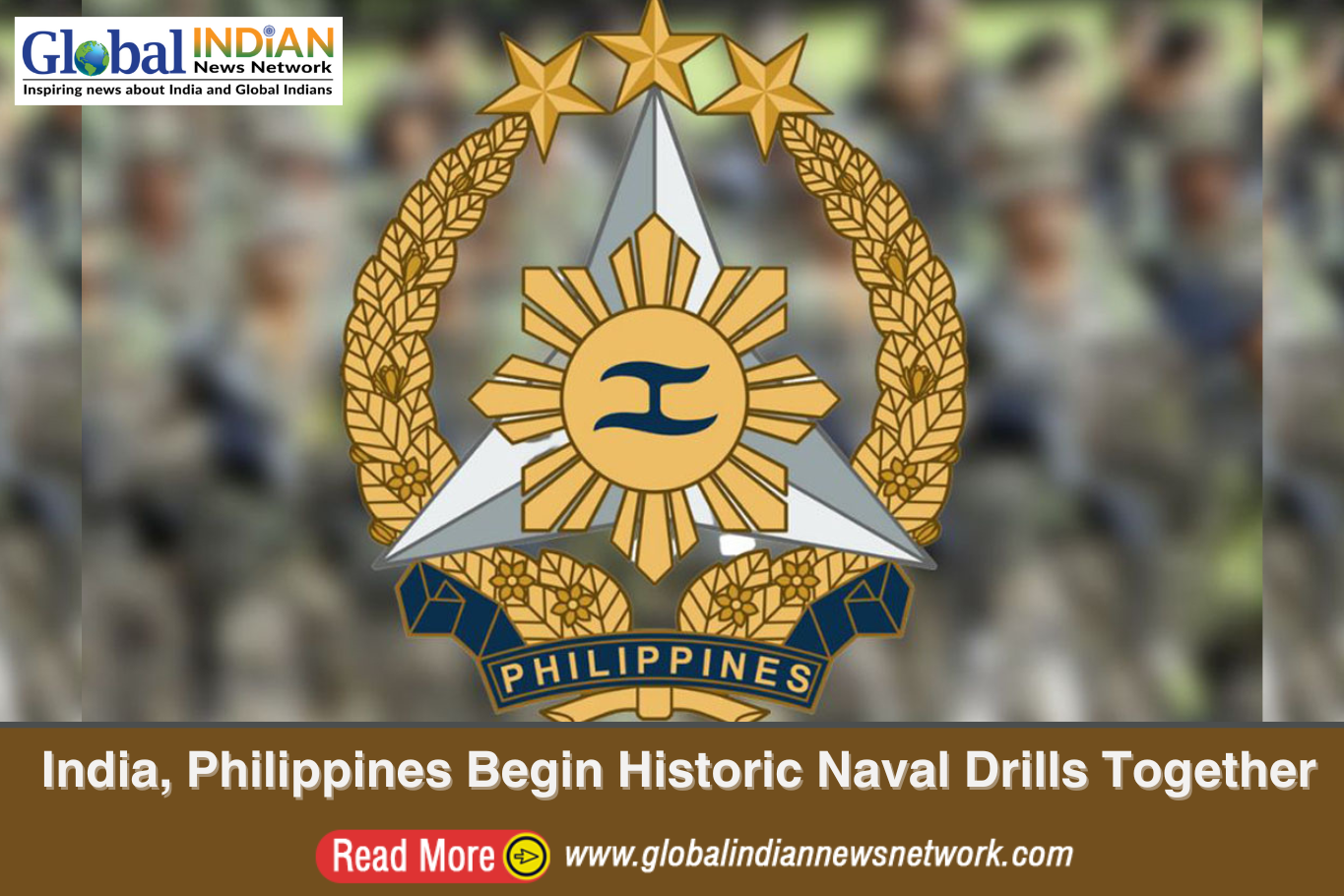
 In a significant stride toward enhancing defense ties, India and the Philippines conducted their inaugural bilateral Maritime Cooperative Activity (MCA) from August 3 to 4. This two-day operation marked a milestone in maritime collaboration, aiming to deepen tactical coordination and boost mutual capabilities in securing the Indo-Pacific.
The Philippine Armed Forces (AFP) confirmed that the MCA involved a range of high-level naval maneuvers. These included rendezvous operations, anti-submarine warfare drills, communication checks, photo exercises, and complex simulations like over-the-horizon targeting and naval interdiction. Also featured were clearance operations, replenishment at sea, passing drills, and rapid maneuvering exercises.
A final combined operation served as a capstone to evaluate operational cohesion between both navies. The AFP highlighted the successful execution of these coordinated drills as a testament to the growing synergy and strategic alignment between New Delhi and Manila.
India dispatched a strong naval task group led by the INS Delhi (D-61), a guided missile destroyer, accompanied by the anti-submarine warfare corvette INS Kiltan (P-30) and the fleet tanker INS Shakti (A-57). The deployment was further enhanced by two multi-role helicopters, adding versatility and strategic depth to the operations.
These exercises took place during the Indian Navy’s broader regional mission in Southeast Asia. On August 1, Rear Admiral Susheel Menon, Commander of India’s Eastern Fleet, led the naval group to Manila. The ships received a warm welcome from the Philippine Navy personnel.
Rear Admiral Menon, while addressing the local press, reaffirmed the joint commitment of both nations to fostering peace and stability across the Indo-Pacific. He emphasized that such operations not only enhance tactical readiness but also nurture trust and long-term cooperation among partner navies.
The MCA also sets the stage for continued defense partnerships and maritime engagements in the future. With regional tensions and strategic challenges rising, both India and the Philippines are keen on playing proactive roles in maintaining a free, open, and rules-based maritime domain.