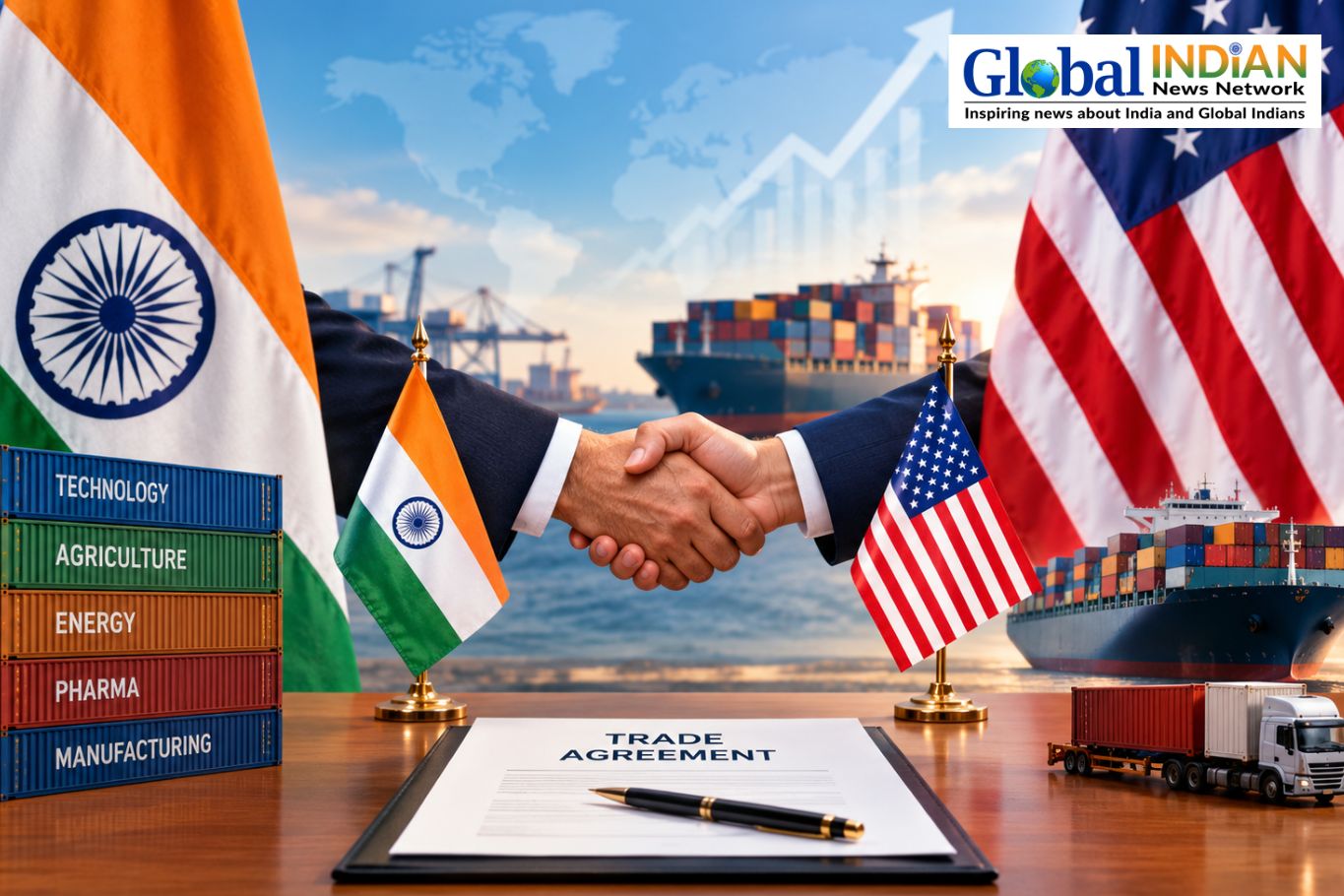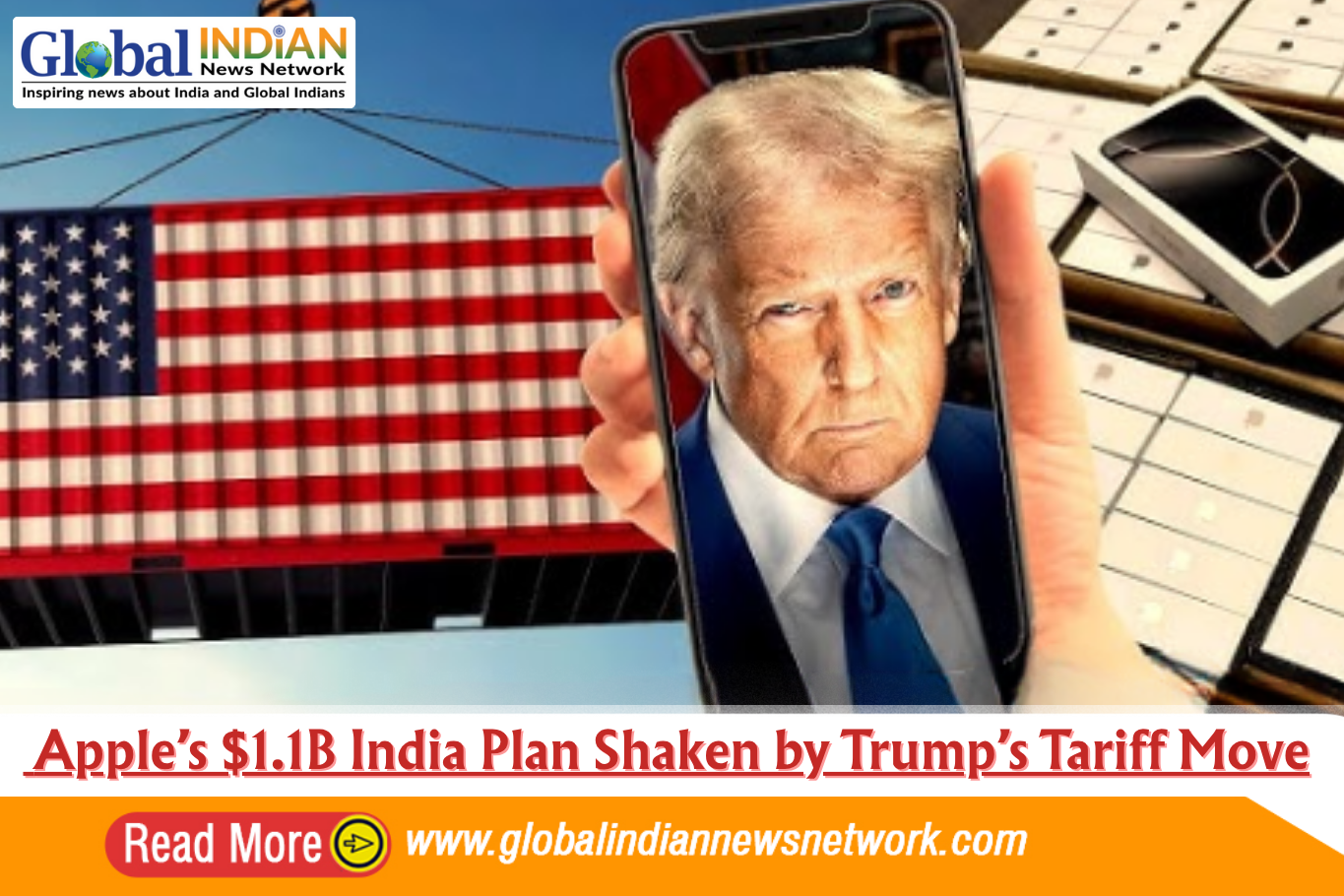
India’s emerging role as a hub for Apple’s iPhone production could be derailed by President Donald Trump’s latest 25% tariff enforcement on Indian exports. Although electronics like iPhones are currently spared, growing anxiety within the tech sector signals the reprieve may be short-lived.
After months of trade discussions, a sweeping tariff decision by Trump’s administration has disrupted momentum between the US and India. According to a Financial Express report, industries reliant on US-bound exports—particularly electronics and smartphones—are rattled. India’s Ministry of Commerce & Industry responded with caution, stating that the government is assessing the impact while remaining open to a balanced and equitable trade agreement.
The ministry emphasized that India would prioritize the interests of farmers, small businesses, and national economic goals—hinting that a retaliatory move is not out of the question.
Apple’s strategic transition of its iPhone production from China to India now faces new uncertainties. CEO Tim Cook had recently shared that most iPhones sold in the US now originate from Indian facilities. The strategy had proven lucrative—Apple recorded $44.5 billion in iPhone revenue for the June quarter, beating projections by $4.5 billion.
However, Trump’s recent comments suggest growing discomfort with foreign manufacturing. In a post on Truth Social, he declared, “I’ve already told Tim Cook—iPhones should be made in the US. If not, they’ll face a 25% tariff.”
As per Bloomberg, India has overtaken China as the top smartphone exporter to the US, largely fueled by Apple’s expansion. But that position is now in jeopardy as the US Commerce Department evaluates electronic goods under its Section 232 national security review.
If smartphones are pulled into the tariff net, Apple could see up to $1.1 billion in losses by the September quarter. Analysts from Bloomberg Intelligence warn that such a move would unravel Apple’s India strategy and disrupt its global supply chain. With India contributing over 20% of iPhone production, any policy shift could have significant ripple effects.
Adding another layer of complexity, Trump also criticized India’s alignment with BRICS, labeling it as “anti-US” and accusing the nation of imposing tariffs as high as 175%. While he still referred to PM Modi as a “friend,” Trump hinted that US patience is wearing thin. Still, he left negotiations open: “We’re talking to them. Let’s see what happens.”
Until a firm decision is made on the electronics exemption, Apple remains invested in India—but that bet may soon face a reckoning.