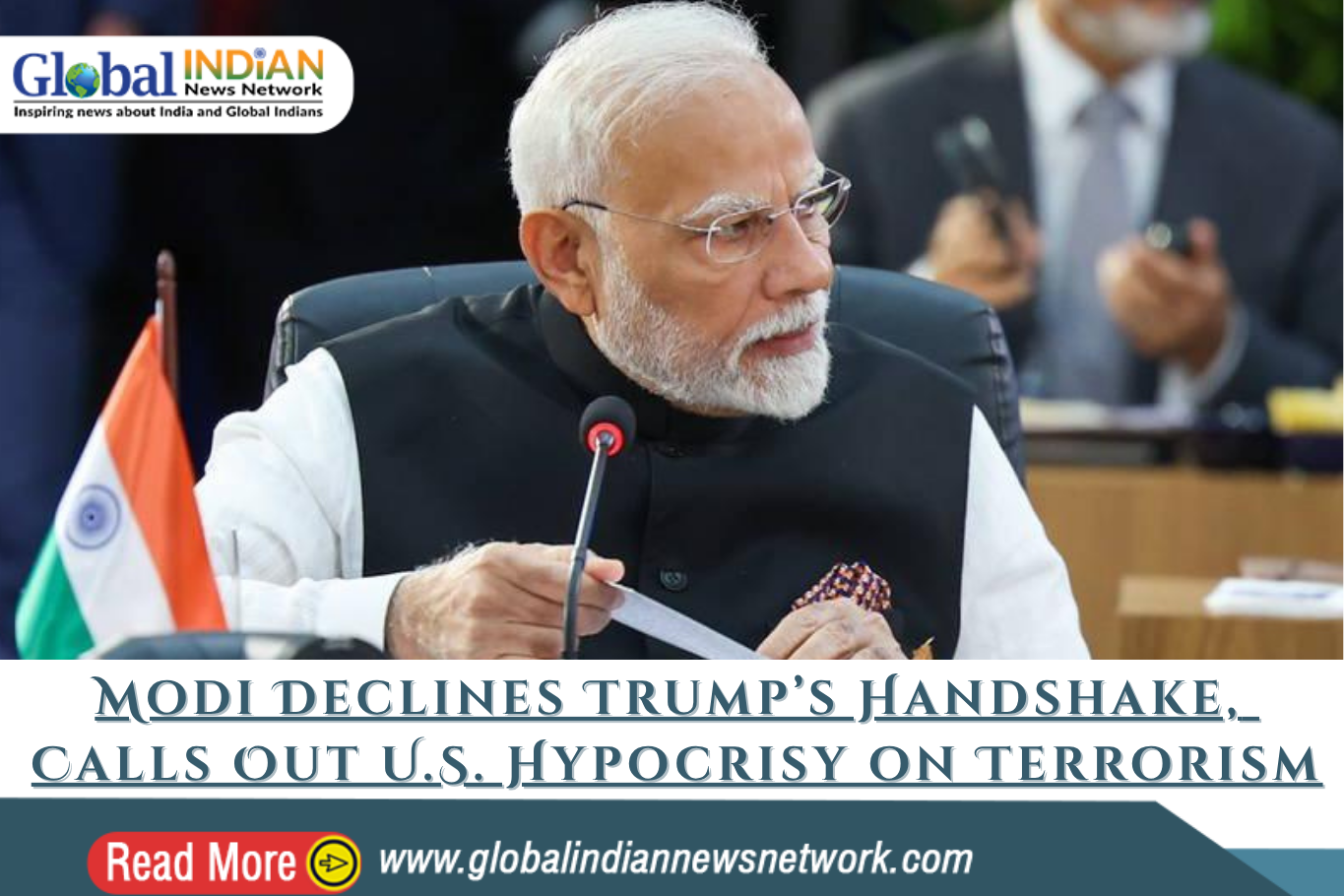
India, though silent publicly, issued a private diplomatic protest after former US President Donald Trump invited Pakistan’s army chief, General Asim Munir, for a White House lunch, according to sources cited by Reuters. The move stirred serious concern in New Delhi, prompting officials to quietly alert Washington that such gestures could jeopardize their strategic partnership.
Following the incident, Indian Prime Minister Narendra Modi turned down an invitation from Trump to visit Washington after the G7 summit in Canada, a decision that reflects India’s discomfort with Trump’s perceived favoritism toward Pakistan. Analysts view this move as part of India’s broader strategic pivot, especially in light of New Delhi’s complicated ties with Beijing.
A top Indian diplomat emphasized that India had clearly conveyed its zero-tolerance stance on cross-border terrorism to the US, labeling it a critical red line. However, Trump’s perceived disregard for India’s security concerns, particularly on terror, strained the trust between the two democracies.
Despite years of strengthening ties between Washington and New Delhi, Trump’s overtures toward Pakistan—ranging from anti-terror collaboration to possible arms deals—caused unease in Indian circles. Michael Kugelman, a South Asia expert based in Washington, told Reuters that this renewed US interest in Islamabad, without adequately addressing India’s sensitivities, created friction in bilateral relations.
Consequently, India hit the brakes on trade negotiations with the US and moved to impose retaliatory tariffs through the World Trade Organization. While American officials have tried to maintain neutrality, asserting strong ties with both South Asian neighbors, the damage appears to have impacted trust.
Tensions peaked when Trump claimed credit for defusing potential nuclear conflict between India and Pakistan. Modi, in response, publicly dismissed Trump’s claims, emphasizing that military officials on both sides had independently negotiated a ceasefire without American mediation.
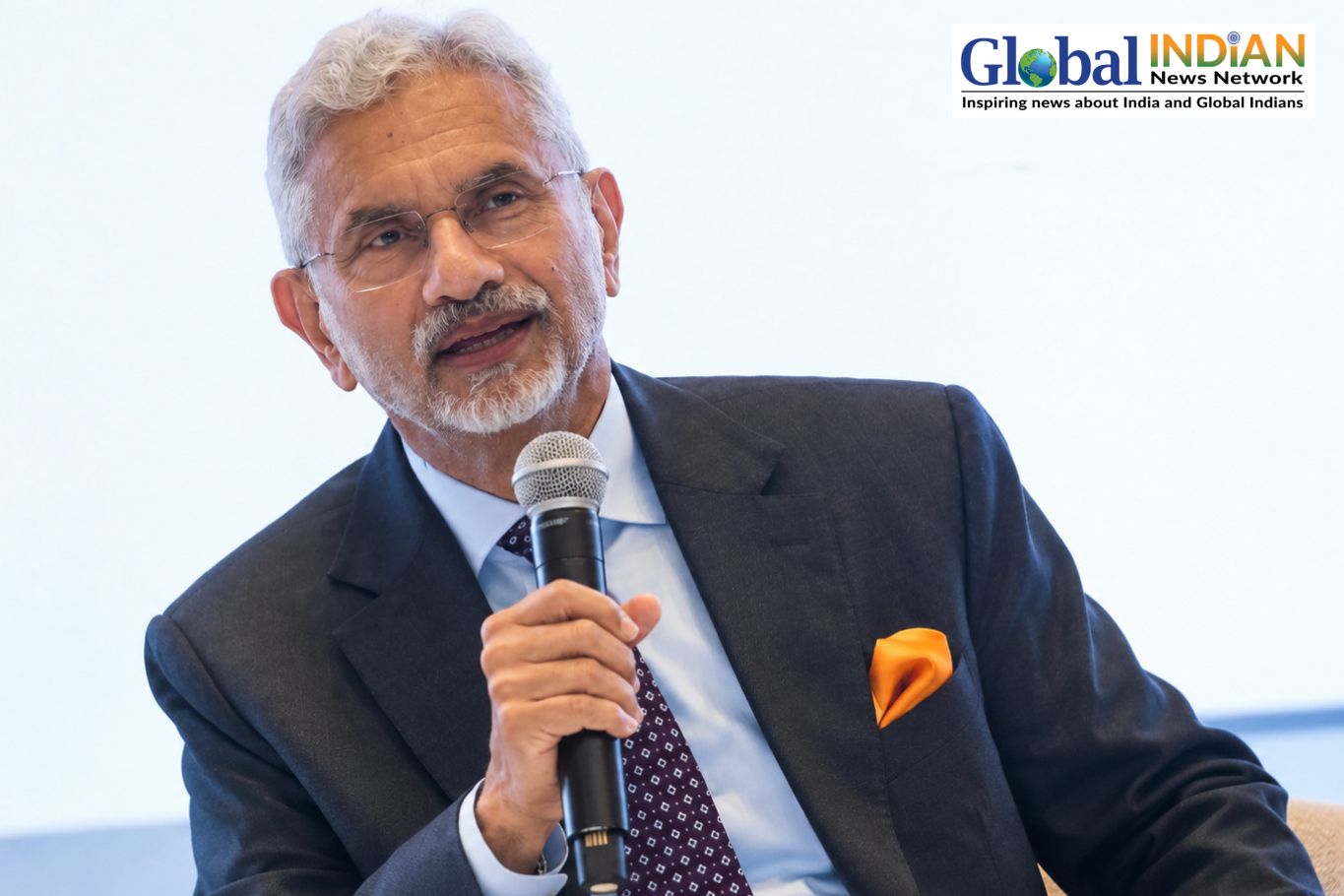
Amid these diplomatic wrinkles, India is exploring new avenues. Notably, it has softened its previously rigid stance toward China, reopening diplomatic discussions and easing investment restrictions imposed after the deadly 2020 Galwan Valley clash. Foreign Minister S. Jaishankar recently visited Beijing, signaling a shift in India’s approach.
Experts suggest this strategic adjustment stems from India’s uncertainty about how Trump might approach future US-China relations. With an unpredictable American administration, India is hedging its bets, preparing for any potential shifts in global alliances.