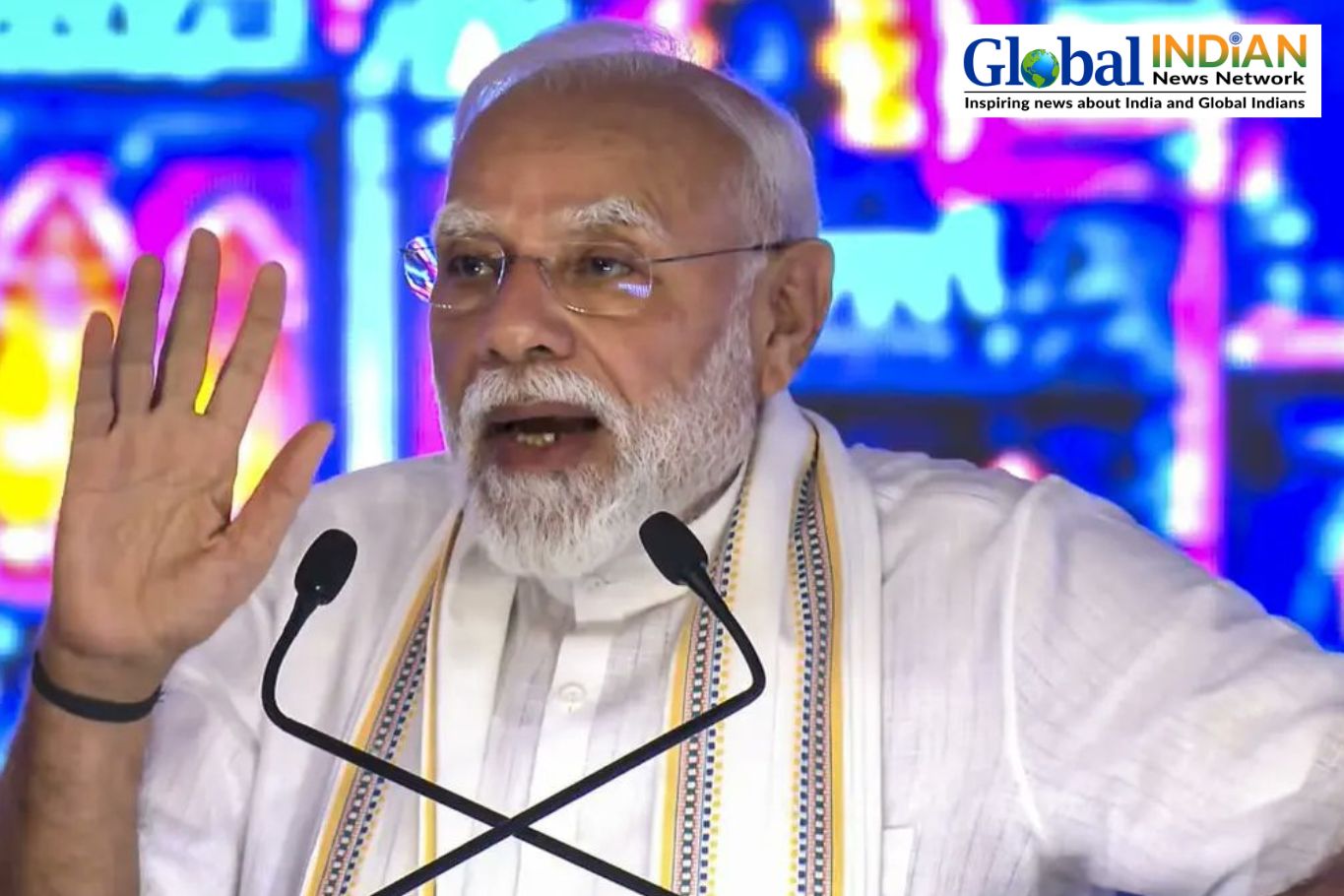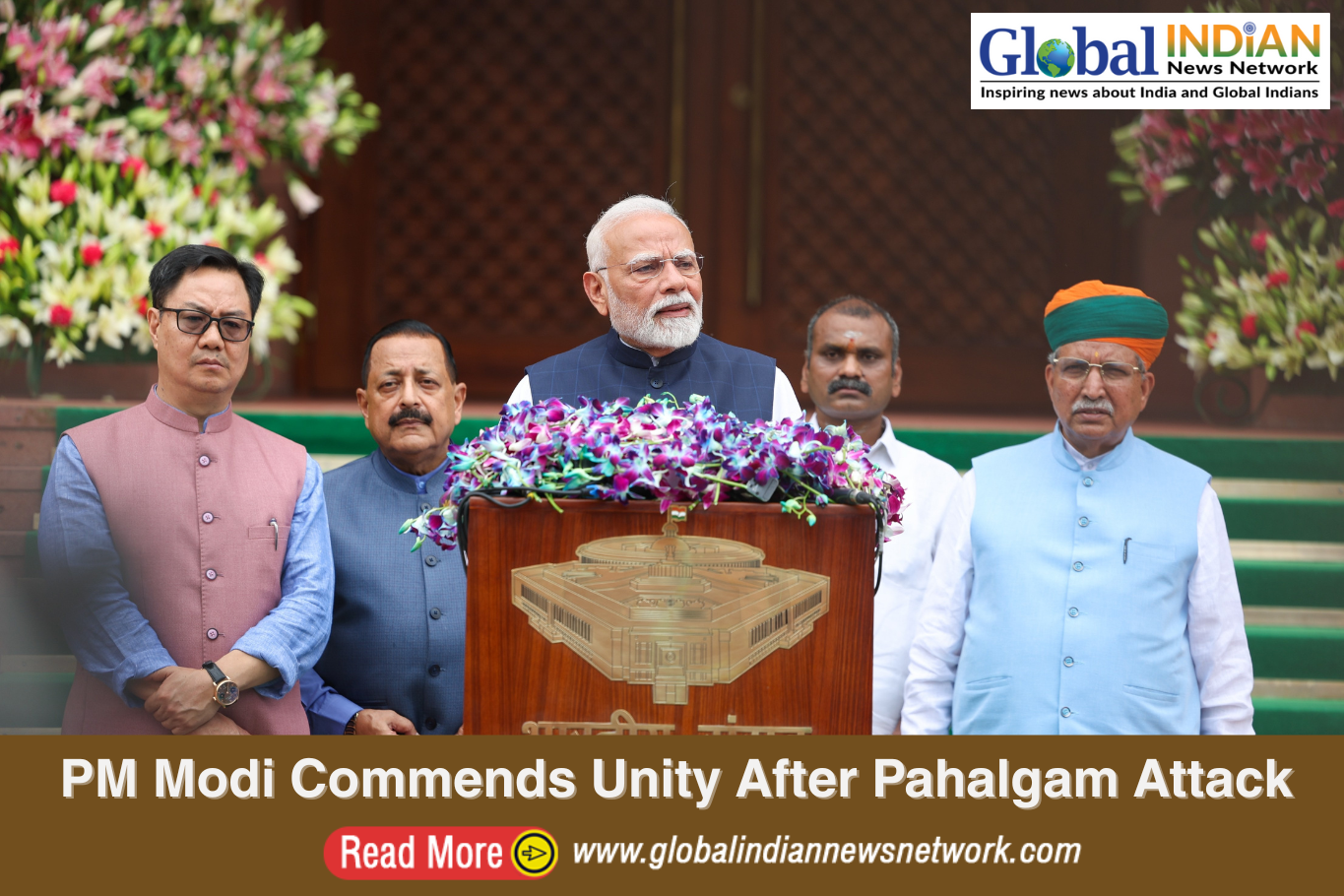
Prime Minister Narendra Modi on Monday reflected on the aftermath of the Pahalgam terror attack, describing it as a moment that jolted the entire global community. Addressing the media ahead of the monsoon session of Parliament, Modi emphasized how the attack transcended political divides within India, leading to a rare display of national unity.
According to Modi, elected representatives from across party lines came together, setting aside political rivalries to represent India’s stance on terrorism worldwide. Following the April 22 attack, where civilians lost their lives in Pahalgam, seven all-party delegations were sent to 33 countries to advocate for India’s position and explain the objectives of Operation Sindoor, an anti-terror mission launched in response to the incident.
Modi commended all the MPs involved, acknowledging their role in successfully exposing Pakistan’s involvement in cross-border terrorism to the international community. He credited these efforts with amplifying India’s message on a global platform, stating, “In those critical moments, representatives from most political parties worked together for the nation’s interest.”
Prominent political figures like Shashi Tharoor, Sanjay Kumar Jha, Baijayant ‘Jay’ Panda, and Ravi Shankar Prasad led various delegations. They engaged in diplomacy to rally global support against terrorism and hold Pakistan accountable as a terror sponsor.
However, the bipartisan approach sparked internal controversy within some political circles. Senior Congress leader K. Muraleedharan criticized Shashi Tharoor for his vocal support of the government’s national security stance, claiming Tharoor would not be invited to any Congress event in Thiruvananthapuram unless he revised his position.
Tharoor, defending his actions, stated in Kochi that “the nation comes first,” reinforcing his commitment to national security over party politics. He pointed out that backing the armed forces and the government in such situations shouldn’t be misinterpreted as party betrayal, asserting, “I will stand my ground.”
The incident highlights the complexities of balancing political loyalty with national security imperatives, especially in times of crisis.