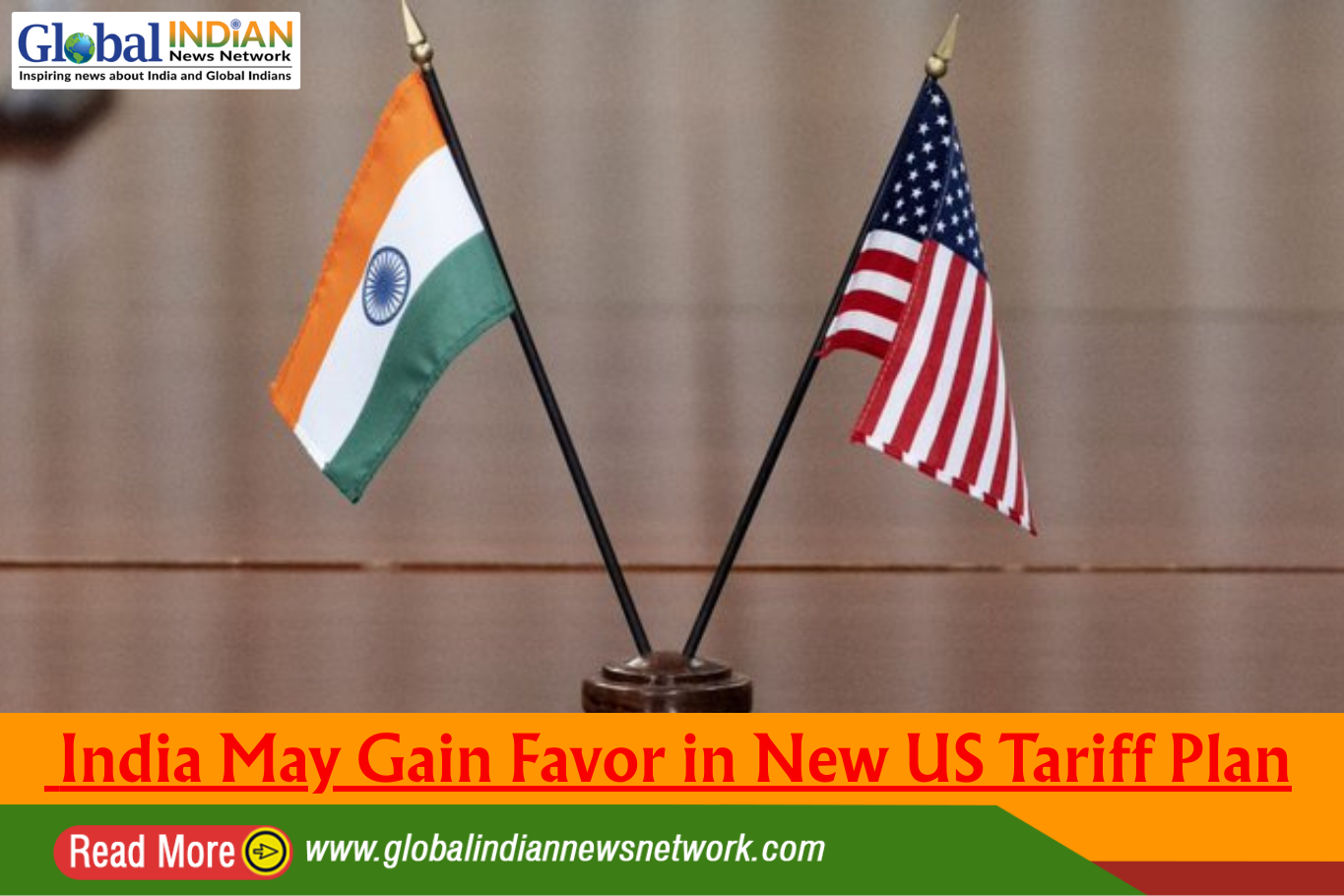
India could be positioned as a key winner under the latest US tariff framework, according to a recent report by Arihant Capital, which suggests Washington may impose lower duties on India compared to several other countries in the Asia-Pacific region. This preferential treatment could help India attract increased foreign investment and drive momentum in its manufacturing sector.
As global trade realigns, the report underscores India’s rising strategic appeal, highlighting that while countries like Brazil, Cambodia, Vietnam, and Myanmar face steep new duties, India might be spared the harshest penalties. This relative leniency could channel production shifts into India, especially as firms seek stable manufacturing bases outside China.
The analysis also credits India’s active trade diplomacy, pointing to the recently signed UK-India Free Trade Agreement in May, along with ongoing negotiations with the European Union, as key catalysts for boosting India’s stature as a global manufacturing hub. These trade relationships could amplify the benefits of a friendlier US tariff stance.
However, the report adds a note of caution. Despite potential advantages, the US government’s push to reshore its own critical manufacturing sectors could restrict how much India truly benefits. President Trump’s protectionist policies remain focused on bringing supply chains back to American soil, which may limit opportunities for even favored nations.
Just days ago, President Trump released an aggressive list of tariffs on 14 nations, targeting goods with rates ranging from 20% to 50%. Brazil, particularly, has been hit with a 50% levy on copper, making it the most severely affected. Countries like Myanmar and Laos face 40% tariffs, while Indonesia, Bangladesh, and Serbia also see rates above 30%.
Trump confirmed that August 1 is the final deadline for the implementation of these tariffs, with no plans for another extension. Formal letters detailing the penalties were sent to leaders in countries including Japan, South Korea, Malaysia, and Kazakhstan, all of whom face 25% tariffs starting next month.
The Arihant report concludes that India’s comparatively favorable treatment in this reshuffling of US trade policy presents a major opportunity. If leveraged correctly, it could bring a wave of international manufacturers looking to relocate or expand operations in India, furthering the country’s ambitions to become a global production powerhouse.