Foreign ministers from the Quad nations—India, the United States, Japan, and Australia—are set to convene in Washington, DC on July 1. The meeting comes in preparation for the upcoming Quad leaders’ summit, which India will host later this year. According to the Ministry of External Affairs (MEA), the ministers will evaluate the progress of ongoing Quad collaborations and exchange insights on critical regional and global developments, with particular focus on the Indo-Pacific.
A key agenda for the session is the consideration of fresh initiatives aimed at reinforcing a shared vision for a free, open, and secure Indo-Pacific. This vision has become increasingly important amid growing strategic challenges in the region. The Quad, initially an informal coalition, has evolved into a prominent diplomatic force emphasizing peace, resilience, and cooperation.
In a recent statement, US State Department spokesperson Tommy Pigott emphasized the strategic value of the gathering. “This summit builds on the Secretary’s first diplomatic engagement with the Quad and reflects American leadership through strength, peace, and prosperity,” Pigott noted. The upcoming meeting is expected to send a clear signal of collective commitment to Indo-Pacific stability and international rule of law.
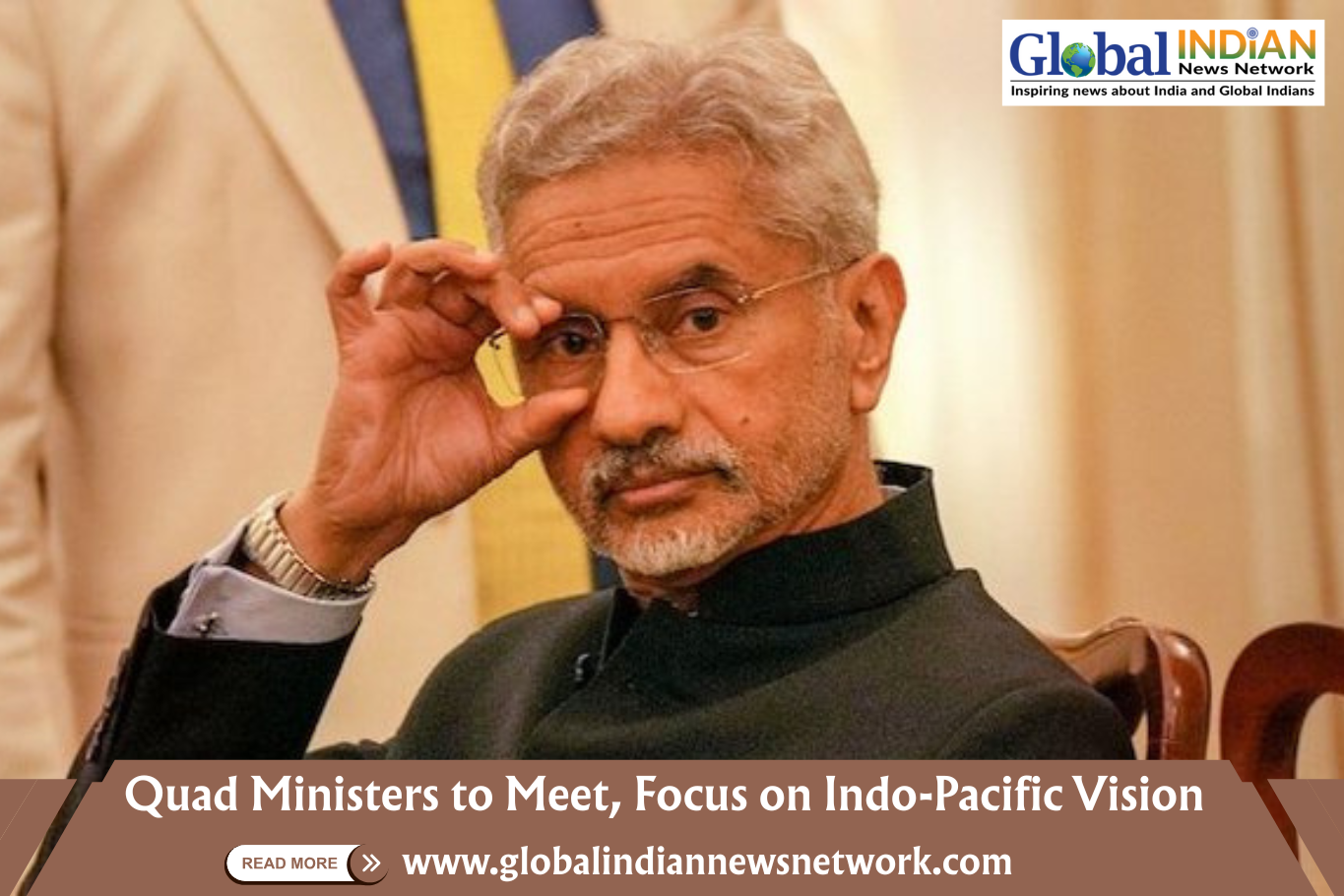
Meanwhile, Indian External Affairs Minister Dr. S Jaishankar will also be in the United States for a separate engagement at the United Nations headquarters in New York. On June 30, he will inaugurate an exhibition titled “The Human Cost of Terrorism”, which aims to highlight the global impact of terrorism and the need for a united front against it.
The exhibition is widely viewed as a strategic effort by India to draw international attention to the consequences of cross-border terrorism, especially emanating from Pakistan. By bringing the conversation to a global platform like the UN, India seeks to build wider consensus and push for actionable steps.
Together, these diplomatic engagements underscore India’s proactive role in both regional security dialogues and global counter-terrorism advocacy.