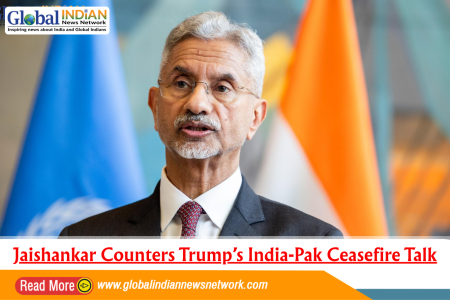
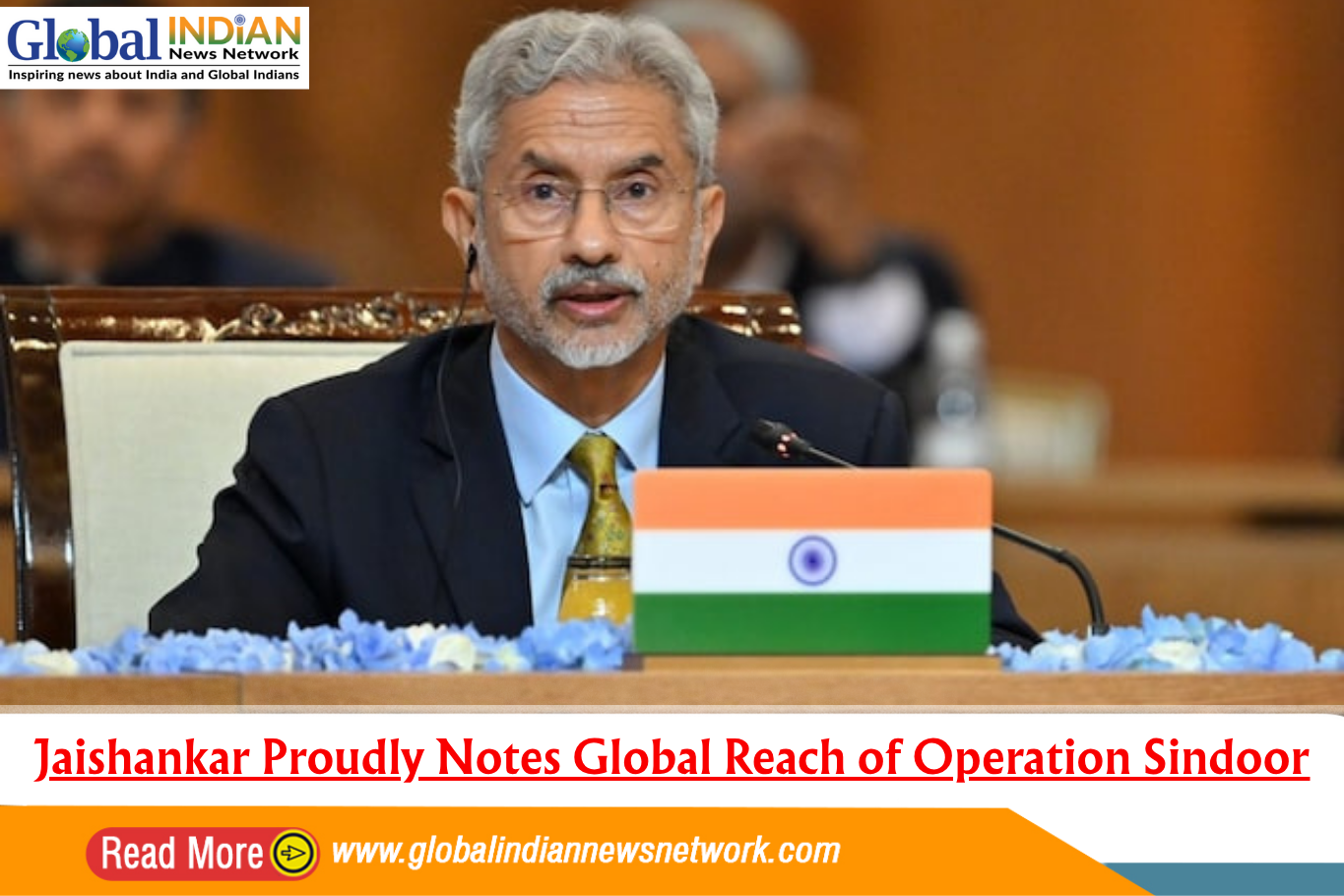
 External Affairs Minister S. Jaishankar praised India’s all-party delegation that traveled to 33 countries after Operation Sindoor as part of a global outreach campaign. Calling the experience “a great source of pride,” Jaishankar emphasized the unified stance all political parties took in defense of the nation’s interests and against terrorism.
He noted that representatives like Shashi Tharoor, Supriya Sule, Kanimozhi, Sanjay Jha, Jay Panda, Ravi Shankar Prasad, and Shrikant Shinde set aside political differences to speak with one voice. According to Jaishankar, the world was impressed that despite internal politics, India presented a united front. The delegation delivered a clear message: terrorism is intolerable, and India reserves the right to protect itself if such threats persist.
In a press interaction in New Delhi, Jaishankar contrasted this national unity with Congress’s history, specifically referencing the 1975 Emergency. He criticized it as a moment when one family’s interests were prioritized over the country’s. He also took aim at current opposition leaders who brandish the Constitution but fail, in his view, to respect it genuinely. “Holding the Constitution in your hand means nothing unless it’s honored in spirit,” he said.
Addressing Defense Minister Rajnath Singh’s visit to Qingdao for the Shanghai Cooperation Organisation (SCO) summit, Jaishankar explained the bloc’s foundational purpose—to counter terrorism. He disclosed that during the discussion of the outcome document at the Defense Ministers’ Meeting, one country objected to referencing the April 22 Pahalgam terror attack. India firmly opposed the exclusion.
Jaishankar commended Rajnath Singh’s decision not to sign the final declaration, reinforcing India’s firm position. He stated that since the SCO works through consensus, India’s refusal to endorse a statement that ignored terrorism was justified. “When an organization is created to fight terrorism, and one country refuses to acknowledge a major attack, how can you support that?” he added.
Jaishankar reaffirmed that India’s global diplomacy is currently guided by placing national interest above politics. The bipartisan outreach efforts and principled stances at international forums show the country’s commitment to fighting terrorism and defending its sovereignty.