 Following the American airstrikes on Iranian nuclear sites in Fordow, Natanz, and Isfahan, Iran launched a measured retaliatory attack on June 23, targeting the Al-Udeid Air Base in Qatar—home to the US Central Command. Despite the retaliation, Iran took deliberate steps to limit the damage, reportedly providing prior notice to both Qatari and US officials, allowing for early evacuation and zero casualties.
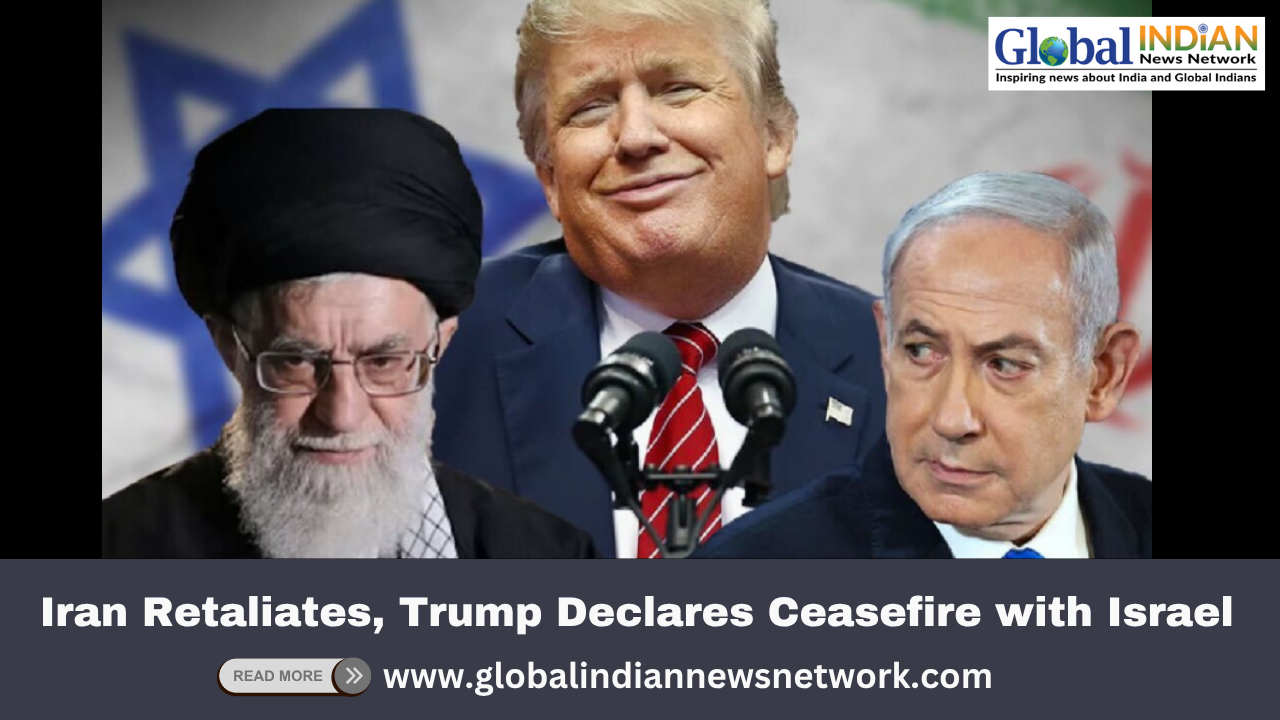
President Donald Trump confirmed the incident on Truth Social, labeling the Iranian response as “weak and expected,” and expressing hope that this marked the end of the conflict. He thanked Iran for the warning and suggested that the region might now move toward peace. Shortly after, Trump declared a full ceasefire between Iran and Israel, effective within six hours, after both sides completed ongoing missions.
This ceasefire capped 11 days of intense cross-border missile exchanges, during which Israel’s strikes inflicted significant damage on Iran, including the elimination of key IRGC commanders and severe blows to homeland defenses. Iran, in turn, showcased its ability to strike back using domestically developed solid-fuel missiles like the Kheybar Shekan, even if its capabilities remain vastly outmatched.
Though the US strikes were the first direct attack on Iranian soil by America, Tehran’s response was notably restrained. Reports suggest both sides had communicated in advance, signaling that Washington viewed its June 22 operation as a one-time intervention rather than the beginning of a wider war.
Interestingly, Iran’s decision not to involve its regional proxies such as Hezbollah, the Houthis, or the Hashd-al-Shaabi marks a strategic choice to avoid escalation while maintaining diplomatic space. This mirrors Iran’s posture following the 2020 assassination of General Qassem Soleimani, where missile strikes were carefully calculated and proxies remained on the sidelines.
Al-Udeid, the largest US base in the Middle East, was specifically chosen for its symbolism. Qatar’s neutral stance and long-standing ties with Iran made it a calculated target, minimizing diplomatic fallout.
With Trump signaling a clear desire to avoid deeper involvement, the burden now shifts to Israel and Iran. Whether the ceasefire holds or deteriorates depends on both sides. Meanwhile, the larger implications ripple through the region, potentially driving Arab nations to reevaluate their stance on nuclear deterrence amidst rising instability.