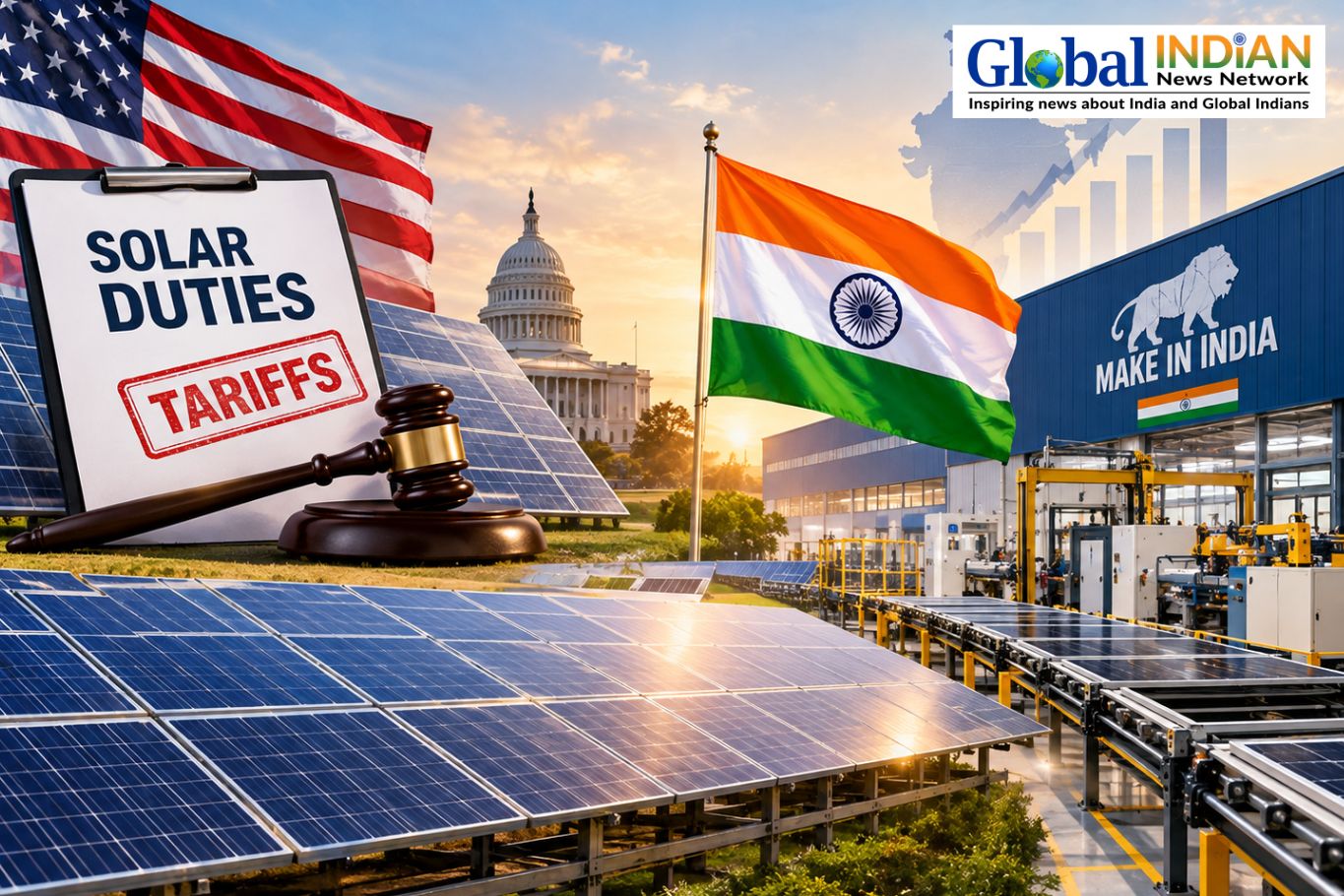
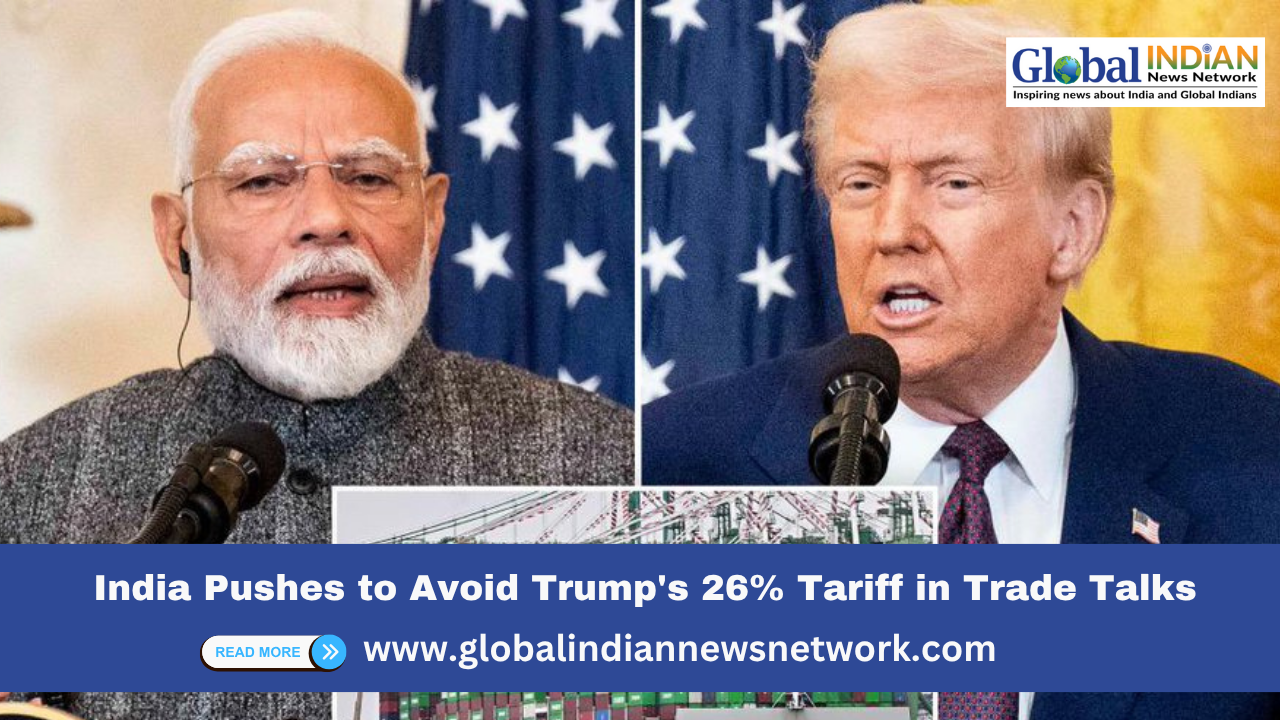
 A high-level trade delegation from the United States is expected to arrive in India soon for what sources describe as the final round of discussions on a proposed interim trade agreement between the two nations. The timing of this visit is critical, as both countries aim to finalize the deal before July 9, when a temporary suspension on steep U.S. tariffs is set to expire. India is pushing aggressively to obtain a full exemption from the 26% reciprocal tariff the U.S. introduced on April 2, although this tariff has been temporarily suspended for 90 days. However, despite this temporary relief, Indian exports are still subject to a 10% baseline tariff, which New Delhi is also eager to see removed.
Negotiations have picked up pace recently, highlighted by India’s chief trade negotiator, Rajesh Agrawal, completing a four-day visit to Washington last week. During his visit, Agrawal engaged in detailed talks with his U.S. counterpart focusing on key elements of the interim agreement. India’s Commerce and Industry Minister, Piyush Goyal, visited Washington simultaneously and held two meetings with U.S. Commerce Secretary Howard Lutnick, injecting new political momentum into the trade negotiations.
One major challenge in concluding the deal is U.S. legislation requiring Congressional approval to reduce tariffs below the Most Favored Nation (MFN) level. However, the U.S. administration still holds the authority to unilaterally lift reciprocal tariffs, a measure that applies not only to India but to other trading partners as well.
The stakes are significant, with the U.S. maintaining its position as India’s leading trading partner for the past four years and bilateral trade hitting $131.8 billion in the 2024–25 fiscal year. The U.S. currently makes up more than 10% of India’s total trade volume, accounting for 18% of exports and 6.2% of imports. However, India runs a substantial goods trade surplus of approximately $41.2 billion with the U.S., a figure that has risen from $35.3 billion last year, causing concern in Washington. Despite this, India is focused on securing tariff relief before the July deadline.
Both countries have agreed to finalize Phase 1 of a more comprehensive bilateral trade agreement by the fall, targeting the doubling of bilateral trade to $500 billion by 2030. This move reflects the strategic economic partnership and mutual interest in expanding trade relations in the coming years.