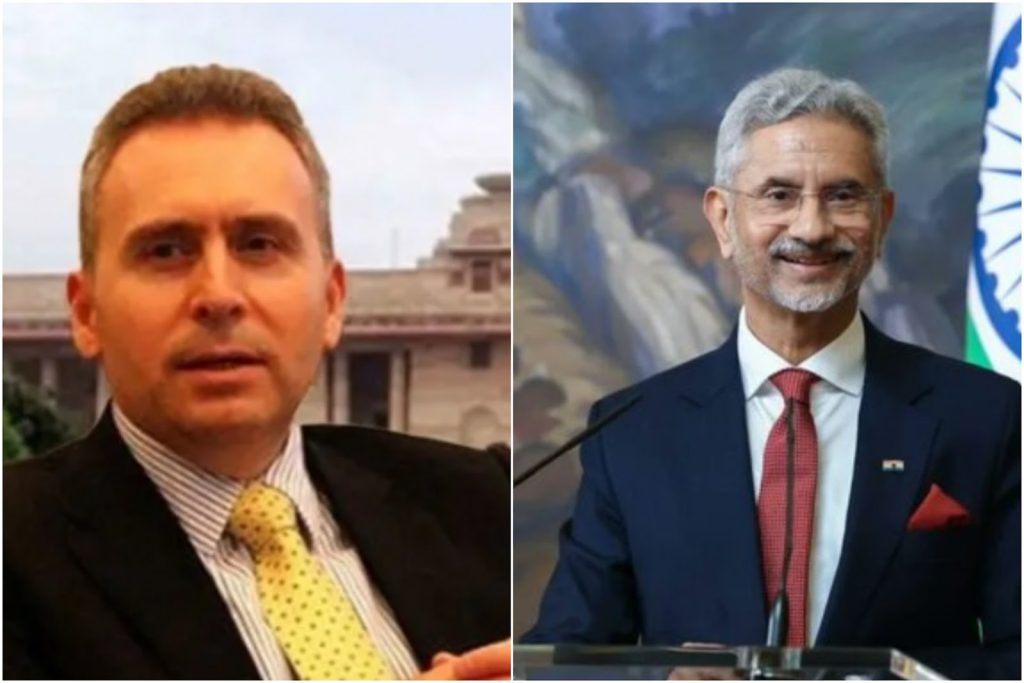
Amid rising public sentiment under the “Boycott Turkey” campaign—sparked by Ankara’s growing support for Islamabad—the Indian government has taken several high-level diplomatic and strategic steps to convey its discontent. Most recently, the Ministry of External Affairs (MEA) has indefinitely deferred a key diplomatic ceremony involving Turkey.
Turkish Ambassador-designate Ali Murat Ersoy was scheduled to present his Letter of Credence to the President of India at Rashtrapati Bhavan on Friday at 4 p.m. However, the ceremony has now been postponed for “scheduling reasons,” as per MEA officials. A Letter of Credence formally recognizes a diplomat’s appointment and allows them to begin official duties in the host nation.
This diplomatic delay aligns with a major development: the Bureau of Civil Aviation Security (BCAS) has revoked the security clearance of Turkish firm Çelebi Aviation Holding, responsible for ground and cargo handling for multiple international airlines at Indian airports. The decision, approved by the Director General of BCAS, was made “in the interest of national security,” citing powers granted to the aviation regulator.
The directive declared that the security clearance for Celebi Airport Services India Pvt. Ltd was revoked with immediate effect, bringing the company’s operations at Indian airports to a halt.
India’s move to distance itself from Turkey stems from broader geopolitical tensions and strategic realignments. Turkish military and intelligence cooperation with Pakistan has grown in recent years, particularly during heightened tensions with India. Reports confirm that Turkey supplied Islamabad with armed and surveillance drones, actively aiding Pakistan during the conflict that followed the April 22 Pahalgam terror attack.
In retaliation for that attack, Indian forces launched Operation Sindoor, targeting multiple terror camps and air bases in Pakistan and Pakistan-occupied Kashmir. During these operations, two Turkish civilian contractors were reportedly killed while aiding Pakistan in its drone operations.
The diplomatic fallout also includes Indian educational institutions such as Jawaharlal Nehru University and Jamia Millia Islamia suspending their collaborations with Turkish universities. Additionally, Delhi Airport has officially terminated its association with Çelebi, reflecting the country’s broader policy position.
The shift in bilateral relations comes as a bitter reminder of India’s goodwill efforts in the recent past. After the devastating earthquake in Turkey, India launched ‘Operation Dost’ to provide immediate humanitarian aid, including medical teams and search-and-rescue units. That goodwill appears to have been disregarded, with Turkey later backing Pakistan at a time of serious security concerns for India.
With both diplomatic and commercial ties cooling rapidly, India’s recent actions reflect a firm recalibration of its stance toward Turkey, prompted by Ankara’s alignment with Pakistan during a period of regional instability.