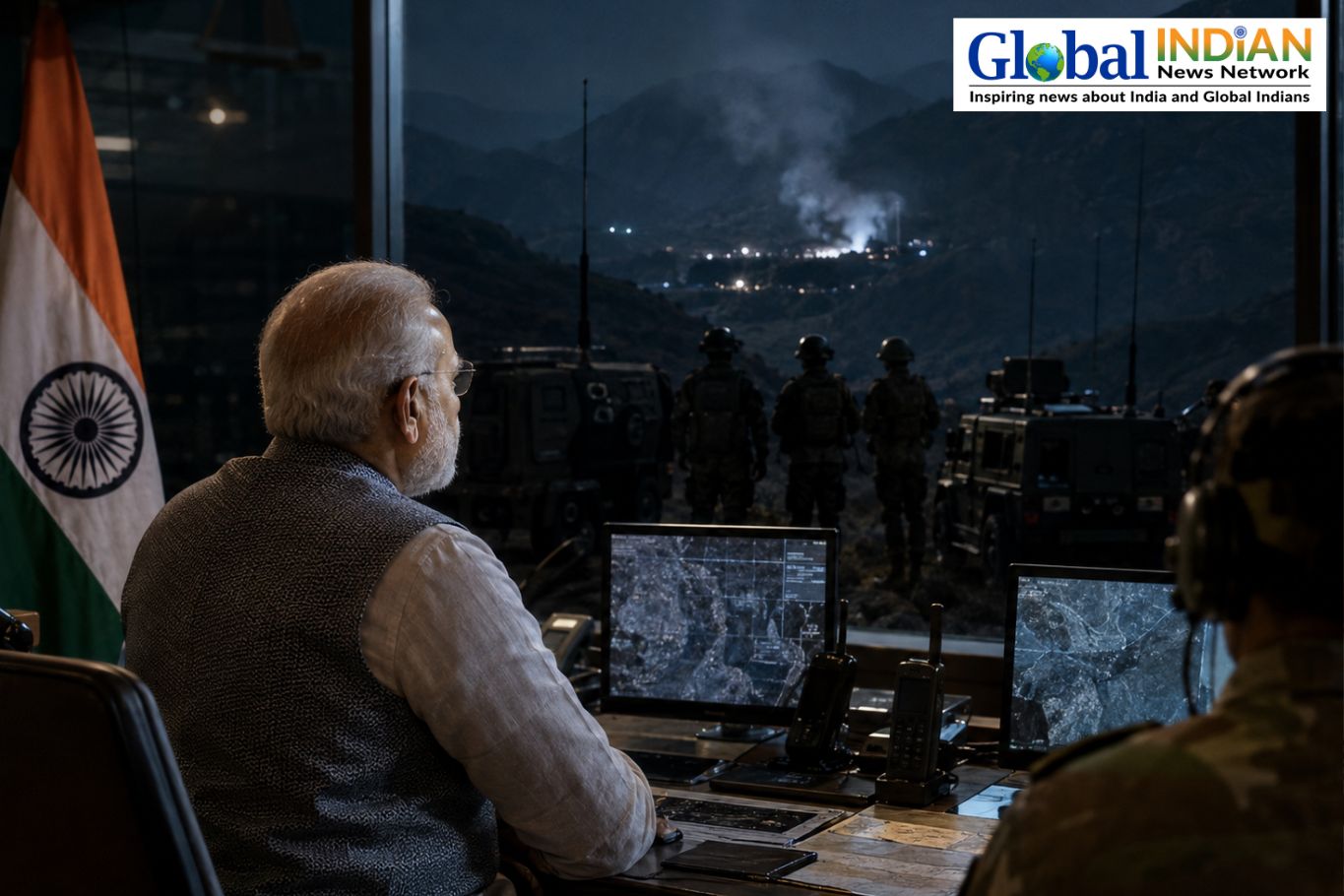
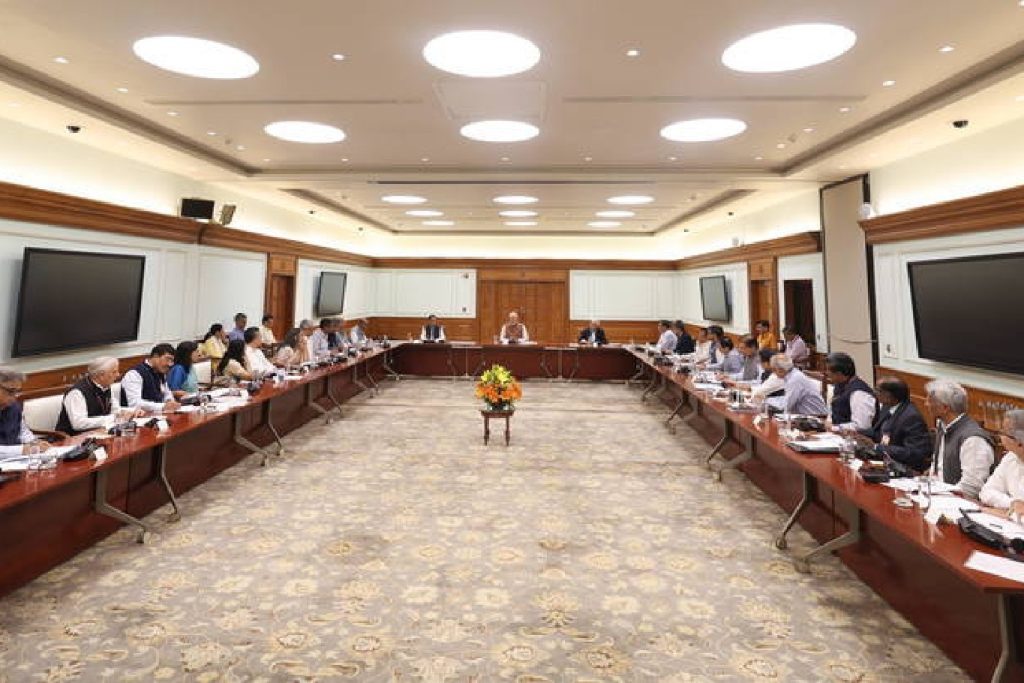
 Despite a ceasefire understanding between India and Pakistan, government sources confirm that Operation Sindoor remains active. Prime Minister Narendra Modi chaired a high-level security meeting on Sunday at his residence in New Delhi, joined by senior ministers and top defence officials, to assess the ongoing security scenario.
Officials familiar with the matter revealed that India is maintaining a firm stance—cross-border terrorism will be met with overwhelming retaliation. In a strong message to the armed forces, Prime Minister Modi is believed to have urged a firm response to any provocation from Pakistan, famously stating, “If they fire bullets, we will respond with shells” (“Wahan se goli chalegi, toh yahan se gola chalega”).
Although both sides had agreed to a ceasefire starting at 5 PM IST on Saturday, reports indicate that Pakistan violated the agreement soon after, launching shelling and drone activities along the Line of Control (LoC) and the international border.
Sources said India’s approach going forward is defined by a “new normal,” where any attack will be met with greater force. Talks with Pakistan will be confined strictly to the military level through the Directorate General of Military Operations. Additionally, India has linked cooperation on the Indus Waters Treaty to Pakistan’s cessation of terrorism, placing the treaty in abeyance until such activity ends.
During a recent exchange with US Vice President JD Vance, PM Modi underlined India’s zero-tolerance policy, asserting that any provocation would be met with a strong and devastating response. Following Pakistan’s attack on 26 sites, India launched powerful counter-strikes on terror bases across Pakistan-occupied Kashmir and Punjab.
While the situation was reportedly under control by Sunday morning, Indian forces remain on high alert, under clear orders to respond forcefully to any violations of the ceasefire.