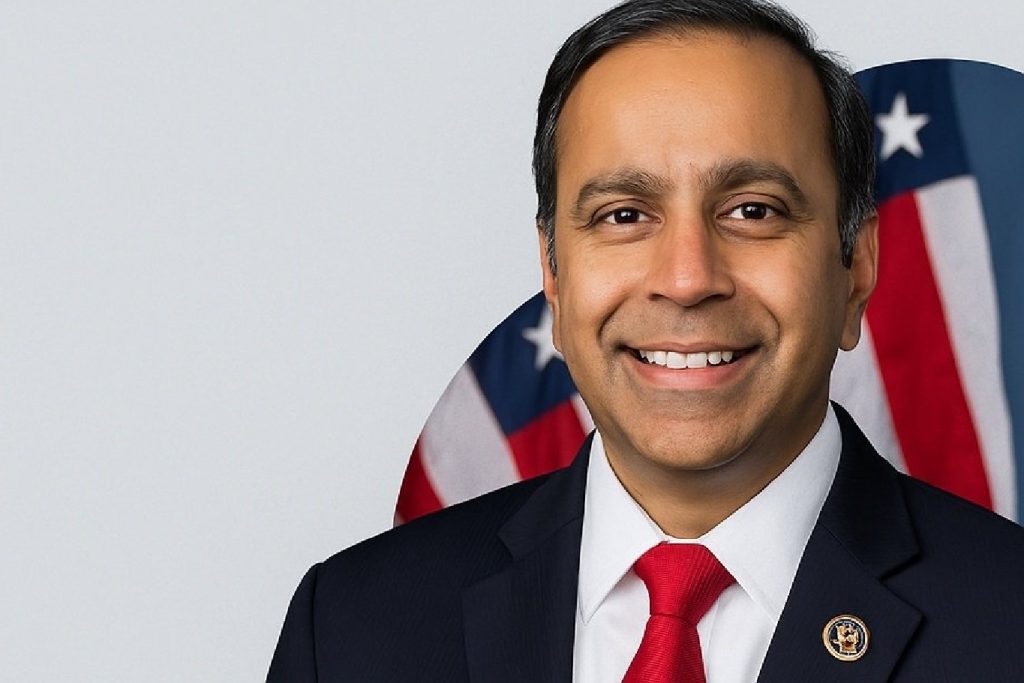
 Following the devastating terrorist attack in Pahalgam, which killed both Indian and Nepali citizens, U.S. Congressman Raja Krishnamoorthi underscored the critical need to combat terrorism and prevent further escalation. Calling the incident horrific, he urged the international community to strengthen its resolve in stopping such violence and averting regional destabilization.
Krishnamoorthi, echoing sentiments from Secretary Rubio, urged all parties to restrain from escalating tensions. Simultaneously, he called on Pakistan to take specific internal measures, including the release of former Prime Minister Imran Khan and the conduct of transparent, democratic elections. He cautioned that the ongoing crisis must not be manipulated to suppress democracy in Pakistan.
Congressman Rich McCormick also voiced his support for India’s right to defend itself, referring to the targeted missile strike on terror camps across the border. Comparing India’s actions to past US responses to terrorism, McCormick underlined the importance of measured steps, especially given that both India and Pakistan are nuclear-armed nations. He added that America must remain diplomatically balanced while standing firmly against terrorism on the global stage.
Following the Pahalgam massacre, India launched “Operation Sindoor” to dismantle multiple terrorist hideouts within Pakistan and Pakistan-Occupied Jammu and Kashmir. Wing Commander Vyomika Singh confirmed that nine key sites were precisely targeted and demolished without causing civilian casualties or infrastructure damage.
Colonel Sofiya Qureshi revealed video evidence from the strikes, including footage of destroyed training facilities at Muridke, once used by 2008 Mumbai attackers David Headley and Ajmal Kasab. Additional camps in Sialkot, Kotli, and Barnala were also among those neutralized.
India’s Foreign Secretary Vikram Misri described the Pahalgam killings as deliberately brutal, targeting victims with headshots at close range and traumatizing families. He stated that the motive was to destabilize the region just as normalcy was beginning to return to Kashmir.