Photo X.com
Reducing salt intake stands out as one of the most cost-effective strategies to enhance public health, according to health experts, as India grapples with salt consumption levels that far exceed safe limits. This excessive intake has become a major contributor to the country’s escalating burden of non-communicable diseases (NCDs).
At the Salt Fight 2025: Say NO to Na workshop, organized by the Delhi Medical Association (DMA) in collaboration with other organizations, doctors and public health advocates stressed the urgent need for stronger, physician-led campaigns, reformulation of packaged foods, and widespread consumer education to tackle India’s mounting salt crisis.
Dr. Vinod Kumar Paul, Member of NITI Aayog, emphasized during the event in New Delhi that addressing modifiable risk factors—particularly excessive salt intake—is crucial in reversing the nation’s NCD burden, which is responsible for nearly 65 percent of all deaths.
“Reducing salt intake may appear to be a simple measure, but it is among the most cost-effective strategies we have. It’s not just about knowing the risks — the focus must shift to implementing what truly works. We need to urgently scale up practical, evidence-based interventions,” he said.
Quoting global research, Dr. Paul highlighted that a 30 percent reduction in salt intake could lead to a 25 percent decrease in the prevalence of hypertension, which would significantly lower the incidence of NCDs such as heart attacks, strokes, and kidney disease.
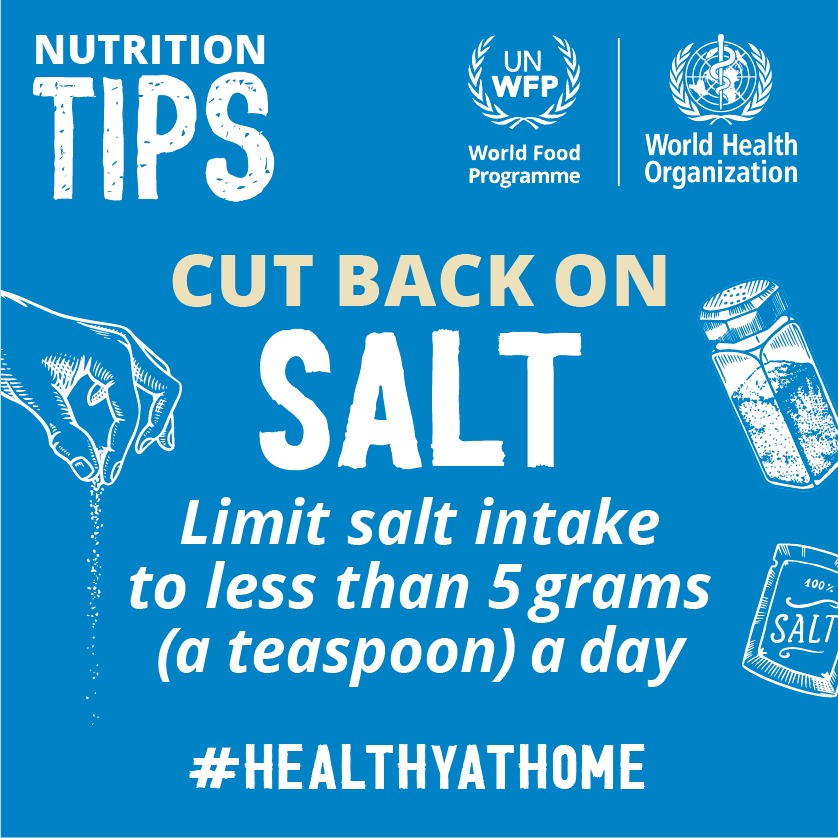
Health data underscores the magnitude of the problem: average daily salt consumption in India is close to 11 grams—more than double the World Health Organization’s (WHO) recommended limit of 5 grams. Much of this excess salt enters the diet unknowingly through processed foods, restaurant meals, and packaged snacks.
Dr. Girish Tyagi, president of the Delhi Medical Association, underlined the vital role physicians must play in making salt reduction a routine component of clinical consultations.
“Salt reduction should not be treated as an afterthought during patient visits. It needs to be at the forefront of our health advice. Encouraging the use of low-sodium alternatives and raising awareness about hidden sources of salt are key steps,” he stated.
Dr. Atul Goel, Director General of Health Services in New Delhi, linked the problem of excessive salt to broader issues stemming from modern dietary habits.
“Our growing dependence on processed foods, the use of refined oils, and the widespread presence of salt—even in medications and injectable products—are taking a silent toll on our health” Cutting just 2 grams of salt per day from the average diet could potentially save millions of lives,” he explained.
The workshop also addressed the pressing need for reform within the food industry. Experts called for reformulation of high-salt foods, mandatory front-of-pack salt labeling, taxation on foods with excessive salt content, and the promotion of low-salt recipes that retain flavor without compromising health.
The consensus was clear: combating India’s salt crisis requires a united front. Physicians, policymakers, and the food industry must collaborate to cultivate a nationwide low-salt culture. Such efforts are essential to curb the wave of preventable lifestyle-related diseases and improve the overall health of the population.