 Following the brutal April 22 terror strike in Pahalgam, Jammu and Kashmir, which claimed 26 lives including one Nepali national, global condemnation has poured in while India has taken sweeping diplomatic actions in retaliation.
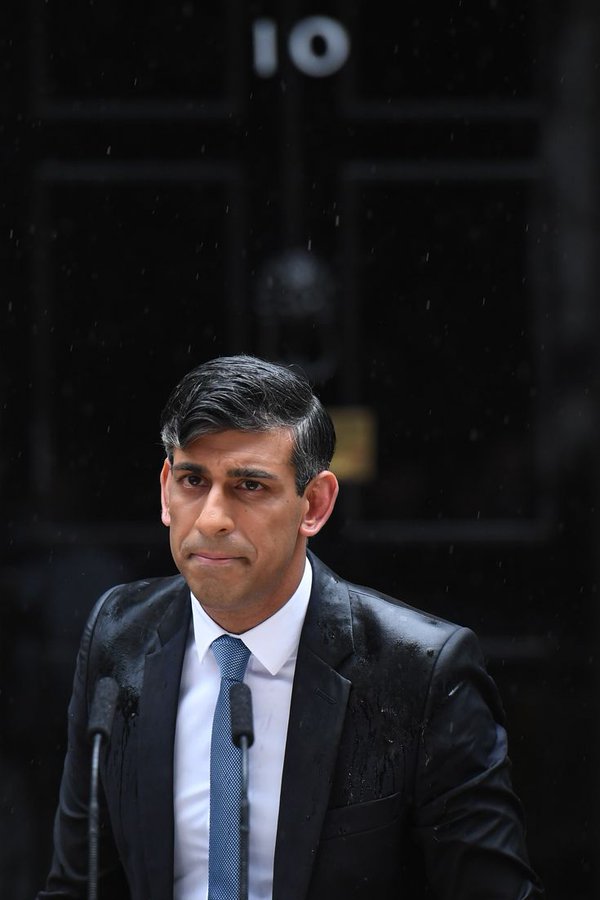
Former UK Prime Minister Rishi Sunak called the incident a “barbaric attack” that claimed the lives of “newlyweds, children, and families simply seeking joy.” Taking to social media, he extended his solidarity, declaring, “Terror will never win. We grieve with India.”
The Peruvian Foreign Ministry also expressed strong condemnation and support, urging global efforts to eliminate terrorism, while Swedish MP Margareta Cederfelt, on behalf of the Swedish-Indian Parliamentary Friendship Group, stated there was “no justification” for such violence.
Reacting swiftly, the Cabinet Committee on Security (CCS), led by PM Modi, initiated a range of historic measures targeting Pakistan’s links to the attack, believed to be orchestrated by a Pakistan-based group.
Key Diplomatic Measures Include:
- Suspension of the Indus Waters Treaty: India has put the 1960 water-sharing pact with Pakistan on hold until credible action is taken against terrorism.
- Closure of Attari Border Crossing: The Integrated Check Post at Attari will be closed post-May 1, effectively halting land movement between the countries.
- Cancellation of SAARC Visa Exemption: Pakistani nationals are barred from traveling to India under SVES; existing visas have been revoked.
- Expulsion of Pakistani Diplomats: India has declared Pakistan’s military advisers in New Delhi as persona non grata, ordering them to leave within a week. Reciprocal withdrawals from Islamabad are also underway.
- Reduction of Diplomatic Presence: Both countries’ high commissions will see their staff slashed nearly in half by May 1.
The CCS also acknowledged that the attack was likely an attempt to derail J&K’s electoral and developmental progress—developments seen as a threat by destabilizing forces.
PM Modi’s government has vowed justice for the victims and warned of continued actions until those responsible, and their sponsors, are held accountable. The move marks a hard shift in India’s diplomatic posture—toward isolating Pakistan globally until it ends its support for cross-border terror networks.