A recent US study reveals that parents are evenly divided on the appropriate age to begin discussing puberty with their children. While the majority agree that talking about puberty is essential, many remain uncertain about when and how to initiate the conversation, according to findings released on Monday.
The study, conducted by the University of Michigan Health C.S. Mott Children’s Hospital National Poll on Children’s Health, highlights that one of the most common challenges for parents is deciding the right age to start these conversations and whether discussions should include topics related to sex.
“It’s easy to assume a child is too young for conversations about puberty, but many parents are surprised to find their tween already showing signs of puberty or asking unexpected questions about body changes,” said Sarah Clark, Co-Director of the Mott Poll.
Beginning these discussions early, Clark noted, allows parents to shape the narrative in a way that is appropriate for the child’s age. This can help children understand what to expect and reduce feelings of confusion or anxiety.
Clark also warned that if parents don’t initiate these talks, children may turn to alternative sources such as classmates, social media, or television for information, which may not always be accurate or appropriate.
The poll revealed a wide variety of parental experiences, concerns, and approaches when it comes to preparing tweens for this critical developmental stage.
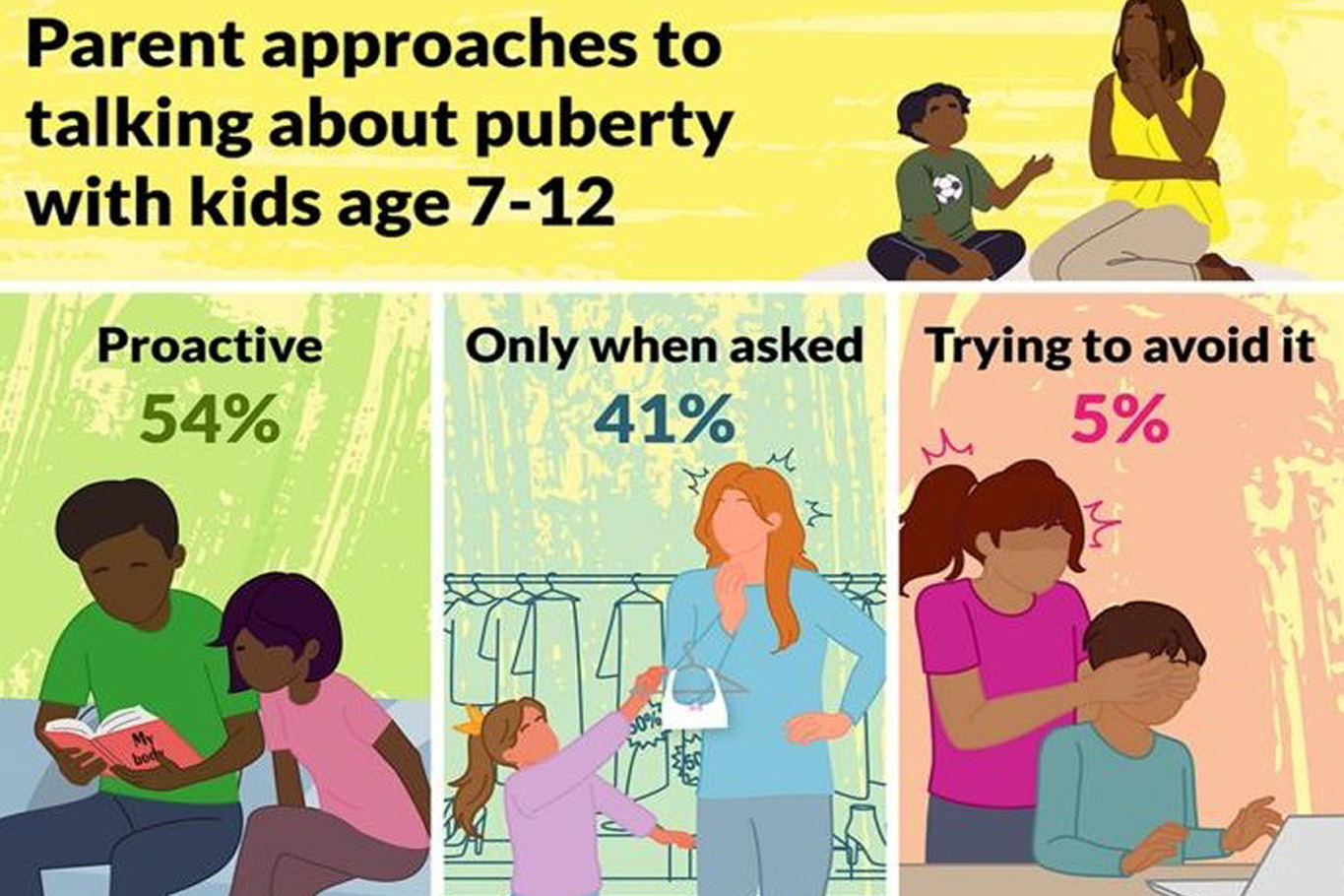
About half of parents said they take a proactive approach to discussing puberty with their children. In contrast, two out of five parents reported only talking about it when their child asks questions. A small portion, about five per cent, admitted to avoiding the topic altogether.
Emotional discomfort also played a role, with one in five parents expressing concern about feeling embarrassed during these conversations. Additionally, one in six parents feared they might say something wrong.
Among parents of children aged 10 to 12, about 25 per cent said their child was not interested in talking about puberty. Meanwhile, among parents of 7 to 9-year-olds, nearly a third believed their child was too young to understand such topics, the study reported.
Clark observed that some of the hesitation may come from the parents’ own childhood experiences.
“Whether they realise it or not, parents may bring their own experiences into their parenting approach,” she explained. “Many reported having little to no discussion about puberty when they were growing up. If puberty was treated as an awkward or uncomfortable topic in their own childhood, it might make starting the conversation even more difficult.”
Another frequent dilemma cited by parents was deciding whether, when, and to what extent they should address sex and reproduction as part of the conversation.
Clark advised that early discussions should aim to make children aware of the physical and emotional changes they will experience and to reassure them that these changes are completely normal. She emphasized that conversations about sex can be introduced gradually over time.
Additionally, many parents noted that their children had already started asking questions about their own bodies, their parents’ bodies, or other topics related to puberty.
Clark concluded that supportive, ongoing discussions are essential as children continue to grow and navigate the various stages of puberty.