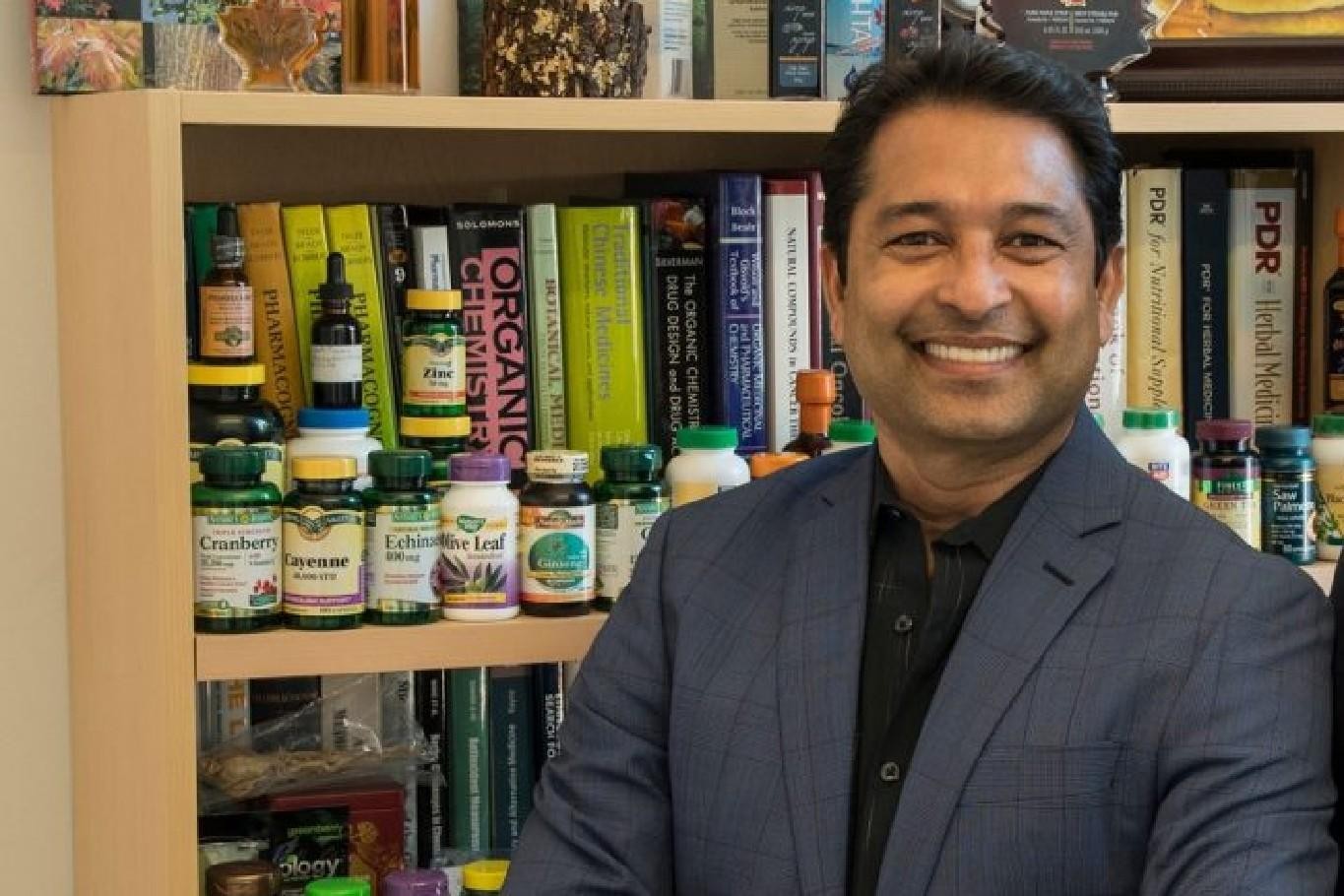
Indian American researcher Dr. Navindra Seeram has long promoted maple syrup as a “hero ingredient,” but now his claims and industry ties are drawing criticism.
Seeram, who serves as the dean of the School of Pharmacy at the University of New England, has authored more than 30 studies highlighting the potential health benefits of maple syrup. Many of these studies were funded by Canada’s maple syrup industry and government grants exceeding $2.8 million, according to reports from The New York Times and The Examination.
An Indian American with roots in the Caribbean, Seeram holds a Ph.D. from the University of the West Indies and completed his postdoctoral work at Michigan State University. He attributes his passion for plant-based remedies to his cultural background and early exposure to natural healing.
Despite his scientific accolades, concerns are growing over how Seeram has framed his research. His studies often focus on maple extract—not the syrup most people consume—and claim potential benefits like protection against cancer and Alzheimer’s disease.
Critics, including nutrition expert Dr. Christopher Gardner from Stanford, argue that Seeram’s messaging presents maple syrup in a misleadingly positive light. A worm study tied to Alzheimer’s research, for example, was framed as promising despite the test subjects dying earlier.
A USDA-funded human trial cited in his work also failed to pass independent scrutiny. “They took it too far,” said UC Davis researcher Kimber Stanhope.
More controversially, Seeram failed to disclose paid consulting work with the Quebec Maple Syrup Producers in several papers, as well as his co-ownership of a maple extract patent—raising concerns about transparency and conflict of interest.
Still, the Indian American scientist maintains that his work never directly claims maple syrup cures illness. “No one can find a quote from me saying it cures cancer,” he told The Times, stressing his use of cautious language and his commitment to promoting natural remedies through government-backed research.