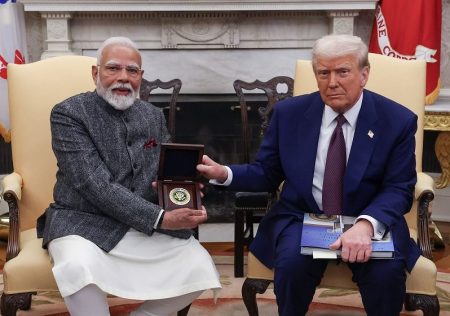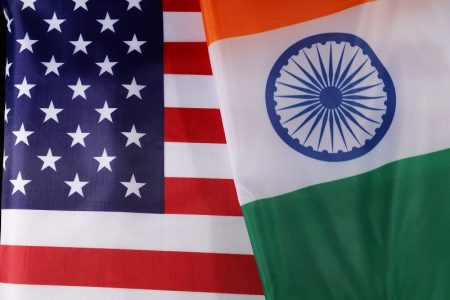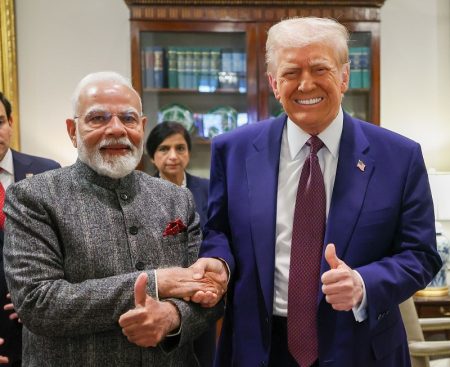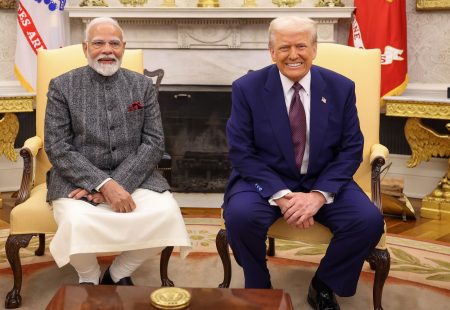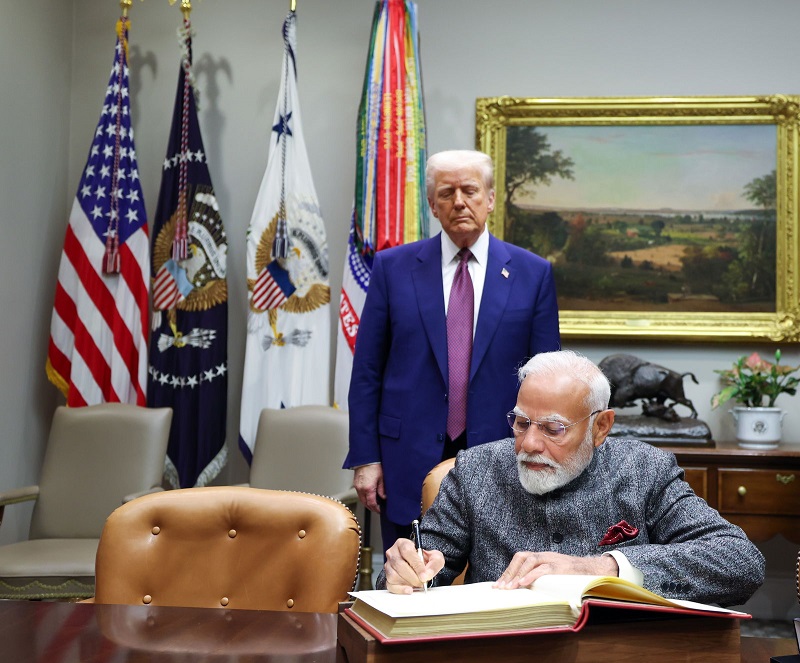
Prime Minister Narendra Modi and US President Donald Trump engaged in high-level discussions, reinforcing the India-US Comprehensive Global Strategic Partnership. Their meeting covered crucial sectors, including artificial intelligence, trade, defense, and energy, reflecting the growing cooperation between the two nations.
AI development featured prominently in the talks, with both leaders recognizing its transformative potential across industries. They stressed the importance of ethical AI frameworks, technological collaboration, and innovation-driven growth. India and the US are set to enhance joint research initiatives and explore AI-driven solutions to economic and security challenges.
Trade relations also took center stage as Modi and Trump examined ways to strengthen economic ties. With annual bilateral trade exceeding $100 billion, both nations emphasized removing trade barriers, ensuring fair market access, and promoting investment opportunities. India reiterated its commitment to economic reforms, while the US expressed interest in expanding American exports to the Indian market.
Defense cooperation remained a key priority, with both leaders underscoring the importance of military collaboration. Discussions included the acquisition of advanced defense systems, joint military exercises, and intelligence-sharing mechanisms to counter global security threats. The US reaffirmed its support for India’s defense modernization efforts, with agreements expected to boost military capabilities and interoperability.
Energy partnerships were another focal point, with India seeking greater access to US energy resources. The two countries explored avenues to increase liquefied natural gas (LNG) imports, advance renewable energy collaborations, and strengthen energy security initiatives. Investments in clean energy and infrastructure projects were also discussed, reflecting a mutual commitment to sustainable growth.
The Modi-Trump meeting reaffirmed the enduring strategic partnership between India and the US. Both leaders acknowledged the significance of their collaboration in shaping global economic and security policies, setting the stage for deeper engagement in the years ahead.