India has said that trade-related concerns raised by the United States should be addressed through ongoing negotiations for a Bilateral Trade Agreement (BTA), as New Delhi examines a fresh proposal by Washington to impose additional tariffs of up to 25 per cent on Indian goods over allegations of structural excess capacity in manufacturing sectors.
In a statement issued by the Ministry of Commerce and Industry, the government said it had taken note of the Notice of Determination and Request for Comments issued by the United States Trade Representative (USTR) under its Section 301 investigation covering 14 economies, including India. The notice is currently under examination by the Indian government.
The ministry reiterated that India and the United States are engaged in negotiations for a Bilateral Trade Agreement and maintained that any trade-related concerns should be addressed within the framework of these discussions.
India also rejected the allegations of structural excess capacity in its manufacturing sectors, stating that the Department of Commerce had consistently conveyed its position during the investigation and subsequent proceedings.
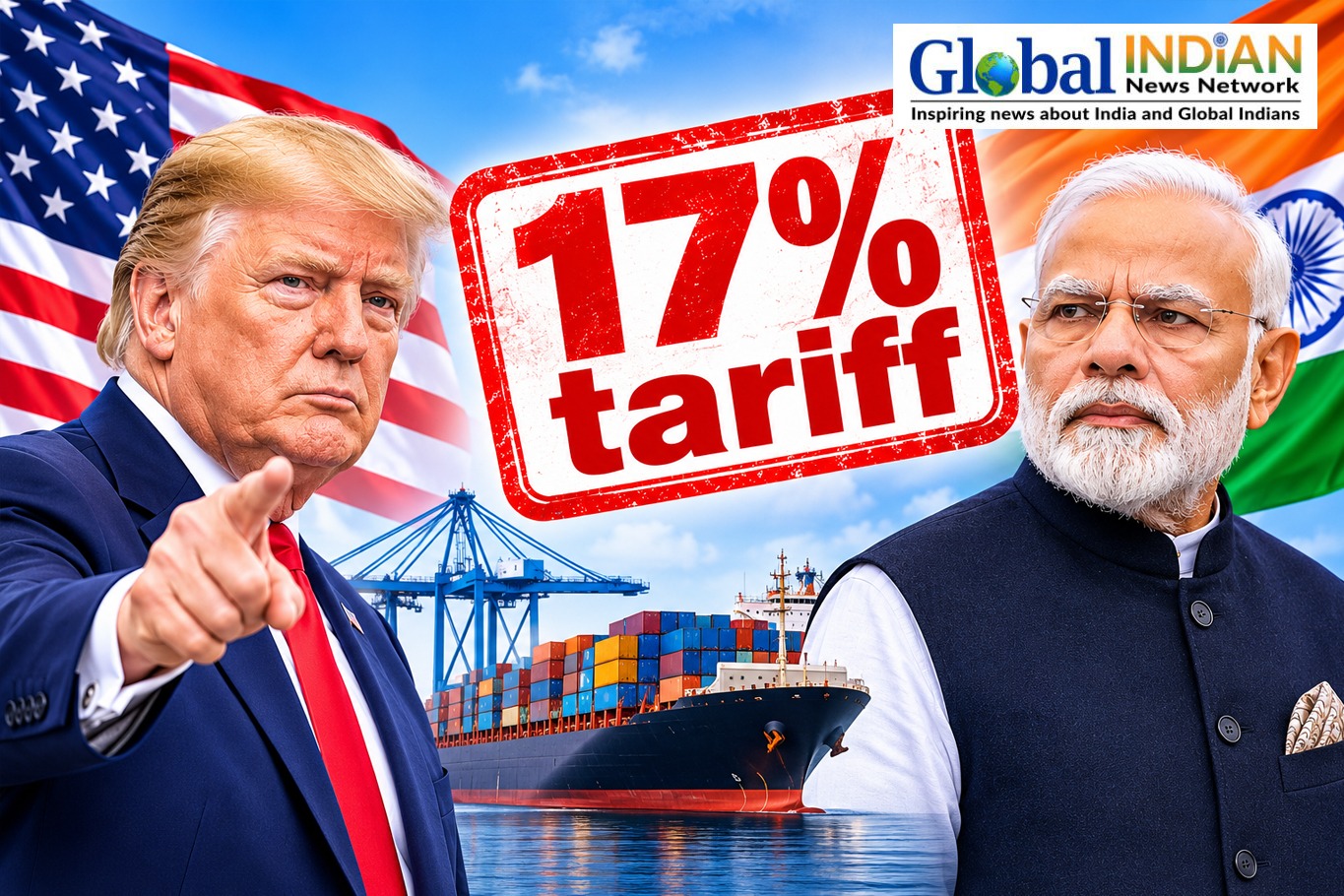
The USTR has proposed additional tariffs of up to 25 per cent on Indian goods, after accounting for existing Section 301 duties, with exemptions for certain products. However, Washington has indicated that the proposed rate could be reduced to 17 per cent if India concludes an Agreement on Reciprocal Trade with the United States that addresses the findings of the investigation.
The US investigation focuses on what Washington describes as structural excess capacity and production-related practices in manufacturing sectors. According to the USTR, these practices affect commercial opportunities for American producers and exporters and have implications for manufacturing output, employment and investment in the United States.
The investigation covers 14 economies, including India, China, Japan, South Korea, Bangladesh, Indonesia, Malaysia, Thailand, Vietnam, Singapore, Switzerland, Taiwan, Cambodia and the European Union.
India’s response comes amid continuing negotiations between New Delhi and Washington to finalise a comprehensive trade arrangement. Both countries have been working towards expanding bilateral trade and improving market access while addressing differences over tariffs, industrial policies and other trade-related issues.
The Commerce Ministry said the Indian government remained committed to working closely with the United States towards the early conclusion of the Bilateral Trade Agreement.
The proposed tariff measures introduce another important issue into the ongoing trade discussions, with the final outcome expected to depend on negotiations and the subsequent US review process. For India, addressing the concerns through the BTA framework remains central to its stated approach to resolving trade differences and strengthening economic engagement with Washington.