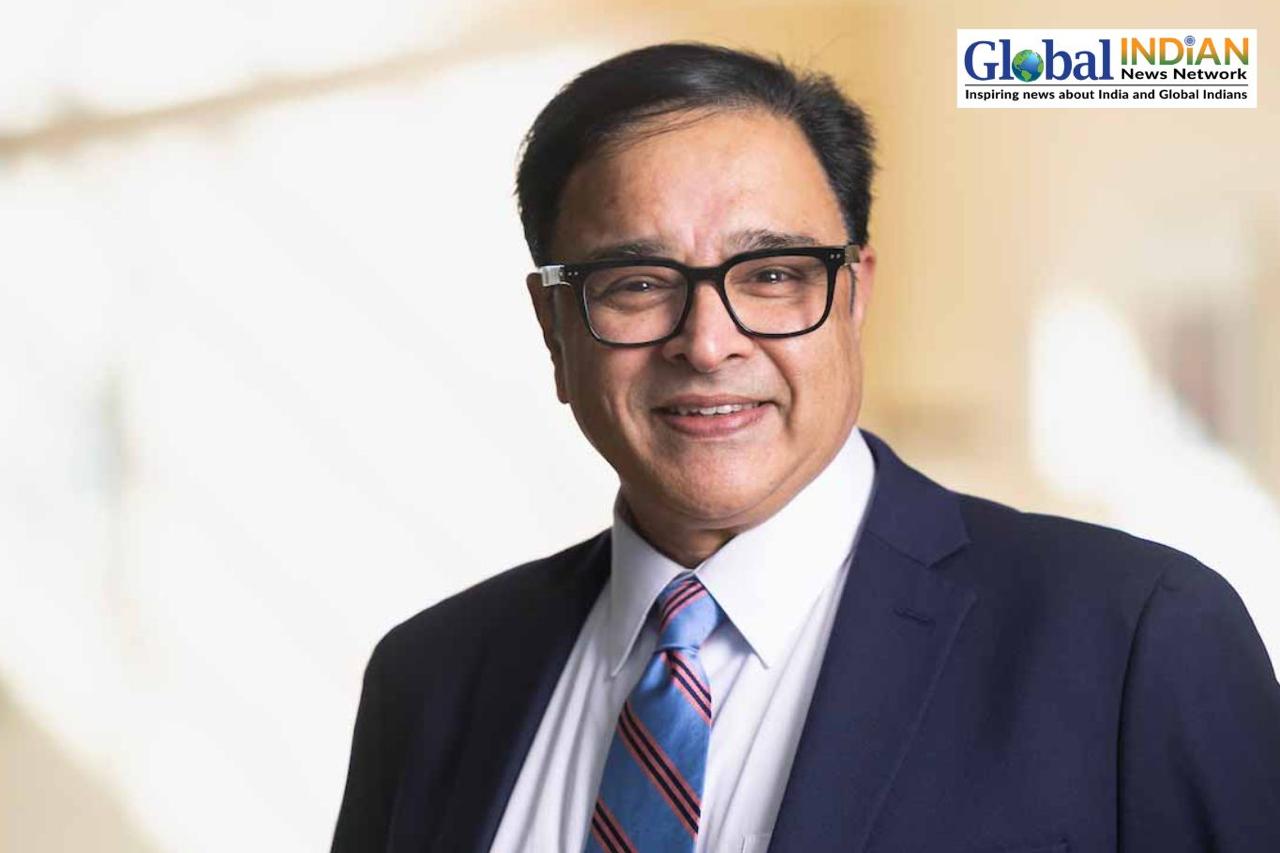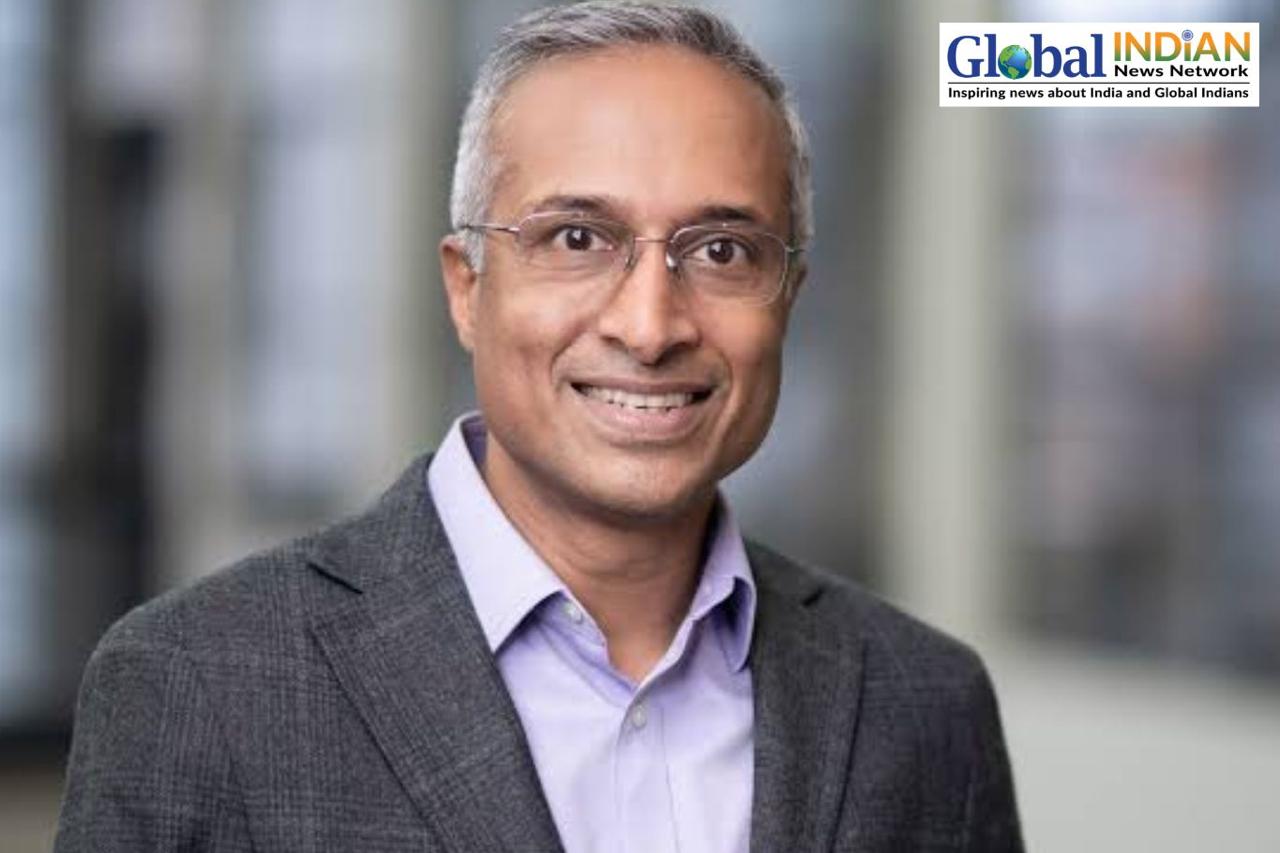
Krishnan (Krish) Ramanathan, Ph.D., has been appointed Chief Executive Officer of the Gates Medical Research Institute (Gates MRI), taking charge of the nonprofit medical research organisation after serving as its interim CEO since April 2026.
The appointment was announced by the Gates MRI Board of Directors, recognising Ramanathan’s extensive experience in pharmaceutical and biotechnology research, drug development and vaccine innovation. Before becoming interim CEO, he served as the institute’s chief of staff and head of development.
Trevor Mundel, president of Global Health at the Gates Foundation and chair of the Gates MRI Board of Directors, said Ramanathan understands the challenges involved in translating scientific discoveries into medical interventions that can reach the people who need them most.
Mundel highlighted his experience in drug and vaccine development, along with his commitment to building partnerships, as important assets for the institute’s efforts to accelerate progress against major infectious diseases, including tuberculosis.
Ramanathan brings 26 years of experience across the pharmaceutical and biotechnology industries. His professional background includes leadership of development programmes involving vaccines and treatments, with a strong focus on partnerships that support medical research, product development and the delivery of healthcare innovations.
The Gates Medical Research Institute is a nonprofit affiliate of the Gates Foundation dedicated to advancing the development of medical interventions for significant health challenges affecting lower- and middle-income countries. It works with a network of research institutions, organisations and industry partners to address diseases that disproportionately affect vulnerable populations.
One of the institute’s major ongoing initiatives is a Phase III clinical trial evaluating a vaccine candidate designed to protect adolescents and adults against tuberculosis (TB). The organisation is also advancing several experimental compounds that could potentially become part of new tuberculosis treatment regimens.
Tuberculosis remains a major global public health challenge, particularly in countries with limited healthcare resources. The development of effective vaccines and improved treatment options is considered an important part of international efforts to reduce the disease burden.
Commenting on his appointment, Ramanathan said Gates MRI was focused on accelerating the development of lifesaving medical innovations for populations with the greatest need.
He emphasised that the institute would continue investing in partnerships and systems required to make new vaccines and treatments accessible once they receive regulatory approval. He also highlighted the importance of ensuring that scientific progress translates into meaningful healthcare benefits.
Before joining Gates MRI in 2025, Ramanathan served as senior vice president and head of the Immunology Portfolio & Assets at Johnson & Johnson Innovative Medicine Research and Development. In that position, he led teams responsible for overseeing early-stage and late-stage development programmes.
Earlier in his career, he spent 15 years at Novartis, where he held leadership positions across multiple therapeutic areas and contributed to programmes that achieved regulatory approvals.
Ramanathan’s academic background includes a Ph.D. and a Master of Science in Engineering (M.S.E.) in Biomedical Engineering from Johns Hopkins University. He also holds an undergraduate degree in Mechanical Engineering from the Indian Institute of Technology (IIT).
His appointment places an experienced pharmaceutical and biotechnology executive at the helm of an organisation working to address critical global health challenges through scientific research, medical innovation and international collaboration.
Under Ramanathan’s leadership, Gates MRI will continue advancing its vaccine and treatment development programmes, with particular attention to diseases such as tuberculosis and the need to ensure that promising medical innovations reach underserved communities worldwide.