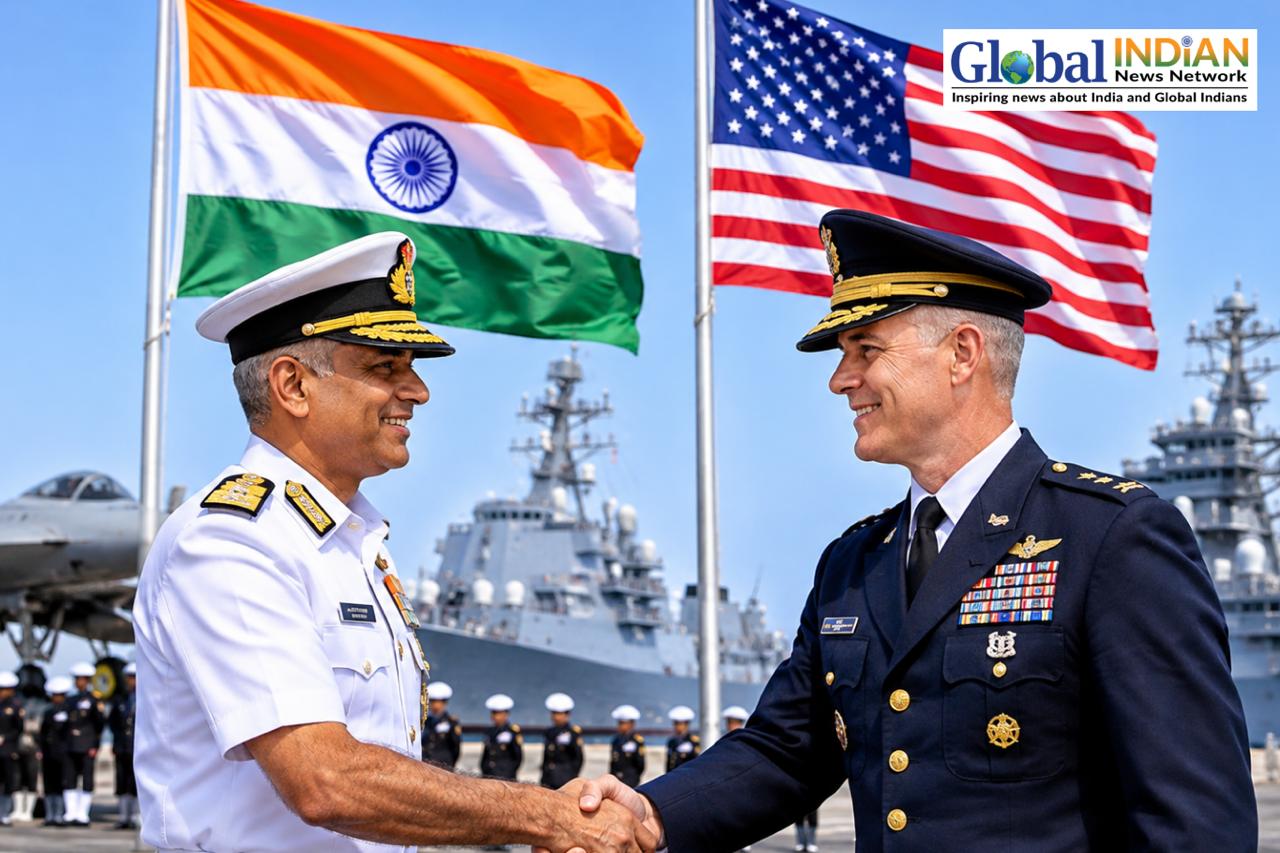
India and the United States are steadily strengthening their defence partnership, with an increasing number of joint military exercises, strategic agreements and defence industrial collaborations driving closer military cooperation. India now conducts more military exercises with the United States than with any other country, highlighting the growing importance of bilateral defence relations.
A fact sheet released by the U.S. Embassy in New Delhi described the relationship as a “Major Defence Partnership” and highlighted four major military exercises conducted across land, air and maritime domains during 2026. The developments reflect the expanding strategic alignment between the two countries amid evolving regional and global security challenges.
The foundation for deeper cooperation was reinforced through a new 10-year defence framework signed in October 2025. The agreement aims to strengthen military engagement, expand defence industrial collaboration and create additional opportunities for joint development and production of defence technologies.
One of the notable developments in bilateral military engagement was the participation of an American F-35 fighter aircraft in the Indian Air Force’s multinational exercise, Tarang Shakti, held at Jodhpur. Conducted from September 26 to October 12, the exercise marked the first participation of the fifth-generation fighter aircraft in a military exercise on Indian soil.
The exercise provided an important platform for enhancing interoperability, sharing operational experience and strengthening cooperation between participating air forces.
Another major engagement was the 22nd edition of Yudh Abhyas, the joint India-U.S. military exercise conducted simultaneously at Auli in Uttarakhand and the Mahajan Field Firing Range in Rajasthan. The exercise focused on strengthening operational coordination, combat preparedness and the ability of the two armies to work together in challenging operational environments.
Maritime and humanitarian cooperation also received significant attention through the fifth edition of Tiger Triumph, the tri-service humanitarian assistance and disaster relief exercise held at Visakhapatnam. The exercise brought together personnel from the Indian and American armed forces to improve coordination in disaster response, humanitarian assistance and joint operations.
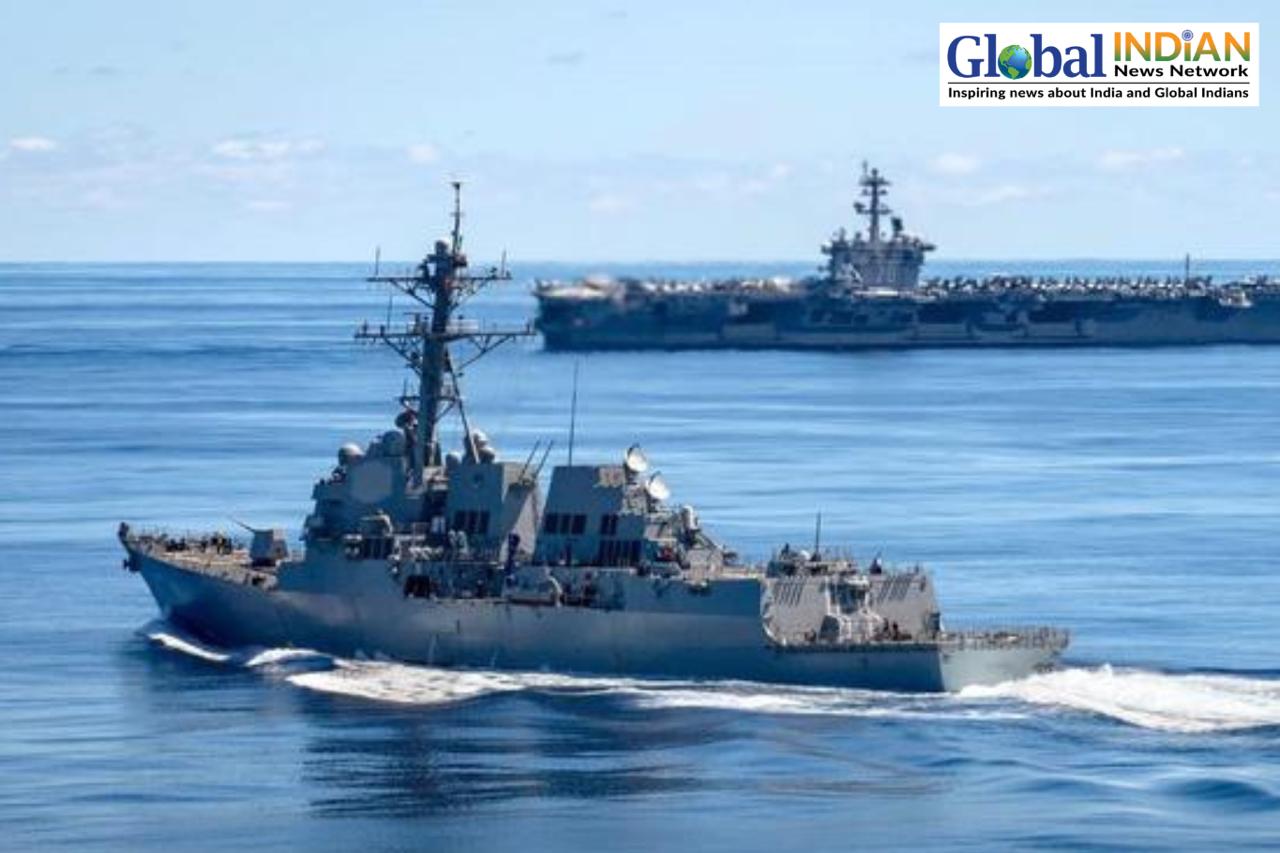
Meanwhile, Malabar 2026, hosted by Japan, brought together the navies of India, the United States, Japan and Australia. The exercise underscored the growing maritime cooperation among Quad members and their shared interest in maintaining a free, open and stable Indo-Pacific region.
The next phase of cooperation is expected to extend beyond bilateral engagements. India, the United States, Japan and Australia are planning their first-ever Quad joint military exercise in 2027. The proposed exercise will involve maritime patrol aircraft from all four countries, with a focus on maritime surveillance, information sharing and operational coordination.
The initiative is expected to strengthen regional maritime awareness and improve coordination among the four countries in responding to emerging security challenges across the Indo-Pacific.
Defence industrial cooperation is another important pillar of the expanding partnership. India and the United States signed an agreement in August for the procurement of Javelin anti-tank guided missiles. Subsequently, American defence companies Lockheed Martin and Raytheon signed a memorandum of understanding with Tata Advanced Systems to explore opportunities for co-production in India.
The proposed collaboration reflects the growing emphasis on strengthening India’s domestic defence manufacturing capabilities while expanding access to advanced military technologies. It also supports India’s broader objective of developing a stronger indigenous defence industrial ecosystem.
Cooperation has also expanded into maritime logistics and maintenance. The arrival of the U.S. Navy supply ship USNS Wally Schirra at Larsen & Toubro’s Kattupalli shipyard for maintenance highlighted India’s growing importance as a regional centre for naval logistics and ship repair services.
The development could open further opportunities for India to support the maintenance and logistical requirements of international naval forces operating across the Indo-Pacific.
Overall, the expanding range of military exercises, defence agreements, industrial partnerships and maritime engagements demonstrates the growing strategic significance of India-U.S. relations. As both countries seek to strengthen regional security and address emerging military challenges, defence cooperation is increasingly becoming a central pillar of their broader bilateral partnership.
The planned Quad military exercise in 2027 and expanding defence manufacturing initiatives are likely to add further momentum to this relationship, positioning India and the United States as increasingly important partners in maintaining security and stability across the Indo-Pacific.