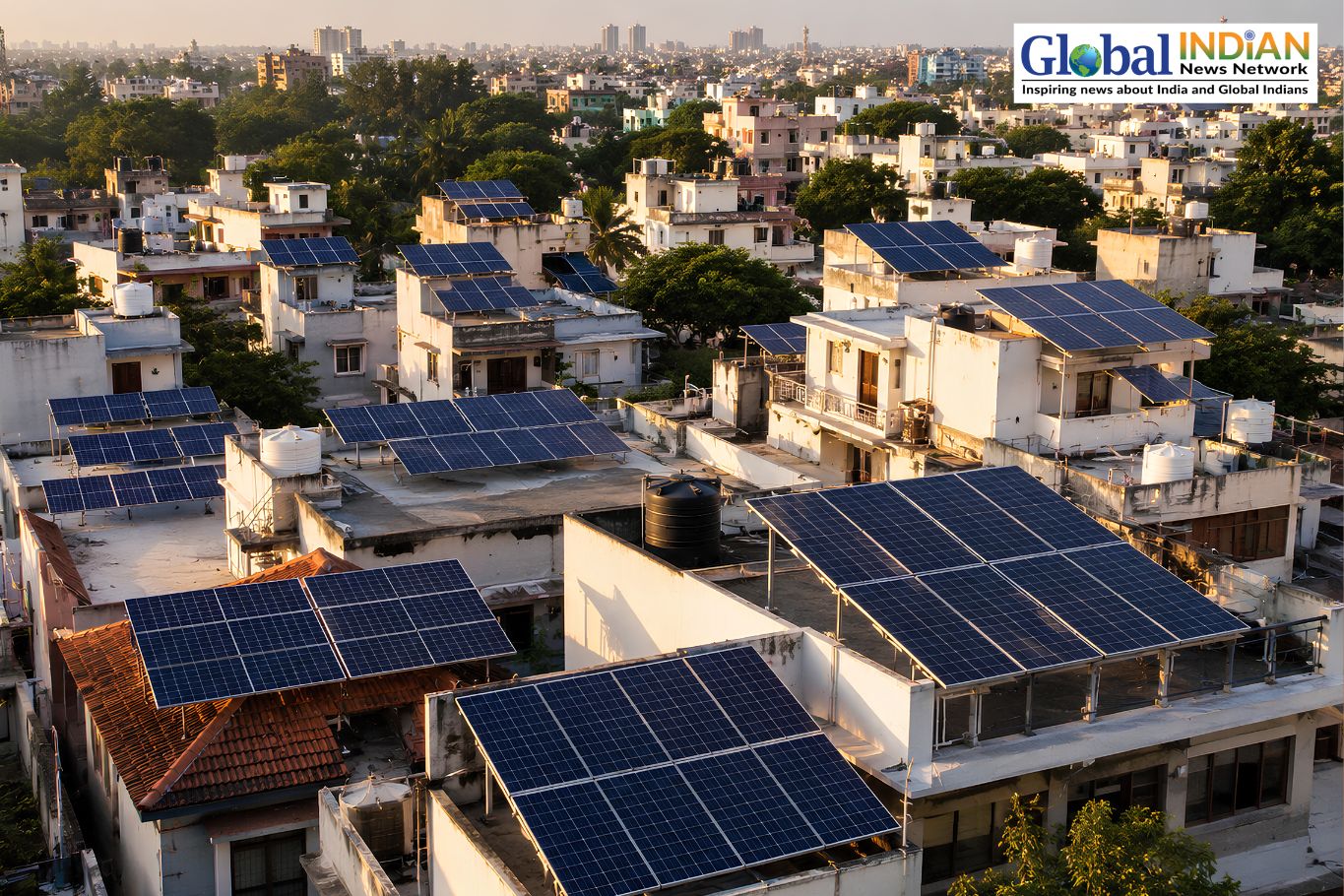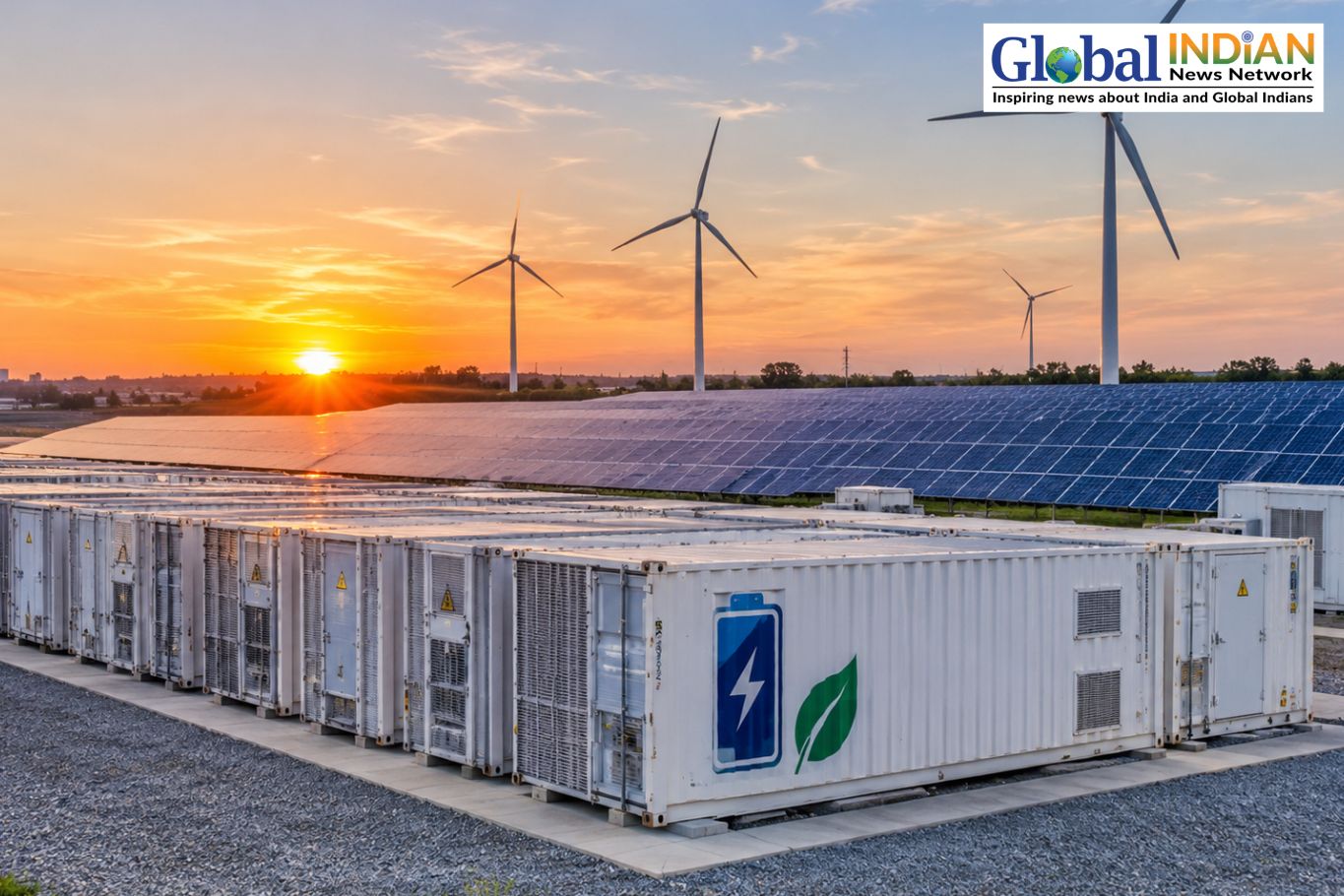
India has approved a $1.5 billion energy storage initiative aimed at attracting approximately $10 billion in investments over the next five years, as the country accelerates efforts to strengthen energy security and expand its renewable energy infrastructure.
The scheme, covering the period from 2026-27 to 2030-31, envisages the development of 92 gigawatt-hours (GWh) of grid-scale energy storage capacity. According to a report by Khaleej Times, the proposed capacity will include 60 GWh from pumped hydro storage, 30 GWh from battery energy storage systems and 2 GWh from emerging storage technologies.
The initiative, approved by the Union Cabinet, involves an estimated government outlay of Rs 14,500 crore. Prime Minister Narendra Modi said the programme would improve electricity reliability, support the integration of renewable energy into the national grid and strengthen India’s long-term energy security.
The planned storage capacity represents approximately 170 per cent of the country’s existing grid-scale energy storage capacity, highlighting the scale of the proposed expansion.
The initiative comes at a time when India is witnessing rapidly rising electricity demand while increasing its dependence on renewable energy sources. The country has set a target of achieving 500 GW of non-fossil fuel-based electricity capacity by 2030 and reaching net-zero emissions by 2070.
However, the growing share of solar and wind power has increased the need for reliable energy storage infrastructure. Solar power generation is concentrated during daylight hours, whereas electricity consumption often rises in the evening, when solar output declines. Energy storage systems can address this mismatch by storing surplus electricity and releasing it when demand increases.
Large-scale storage facilities are also expected to reduce the wastage of excess renewable electricity, improve grid stability and limit dependence on coal-fired power generation during periods of peak demand.
According to the report, India will require approximately 411 GWh of grid-scale energy storage capacity by 2031-32. This requirement includes around 236 GWh of battery storage and 175 GWh of pumped hydro storage.
The newly approved scheme is also expected to encourage domestic manufacturing of battery energy storage systems and reduce reliance on imported components. Battery storage projects supported under the initiative will be required to meet a minimum domestic content threshold of 40 per cent, creating opportunities for Indian manufacturers and suppliers.
In a related development, the government has approved a separate scheme worth approximately $300 million to establish four domestic processing plants for lithium and nickel. Both minerals are essential raw materials for batteries, energy storage systems and various electronic products.
Developing domestic processing capabilities for critical minerals is expected to support India’s battery manufacturing ecosystem and reduce exposure to international supply chain disruptions.
With substantial investments planned across pumped hydro, battery storage and emerging technologies, the programme marks a significant expansion of India’s energy infrastructure strategy. Its implementation will play an important role in supporting renewable energy integration, meeting future electricity demand and strengthening the country’s position in the global clean energy transition.