Indian-American Democrat Shuchita Patel is making history by contesting the Forsyth County Commissioner election in Georgia, challenging the traditional political landscape of a county marked by a troubled history of racial discrimination and violence.
Patel is seeking a seat on the Forsyth County Commission in the November 3, 2026, US midterm elections. Her campaign comes amid growing discussions about diversity, representation and the participation of immigrant communities in American local politics.
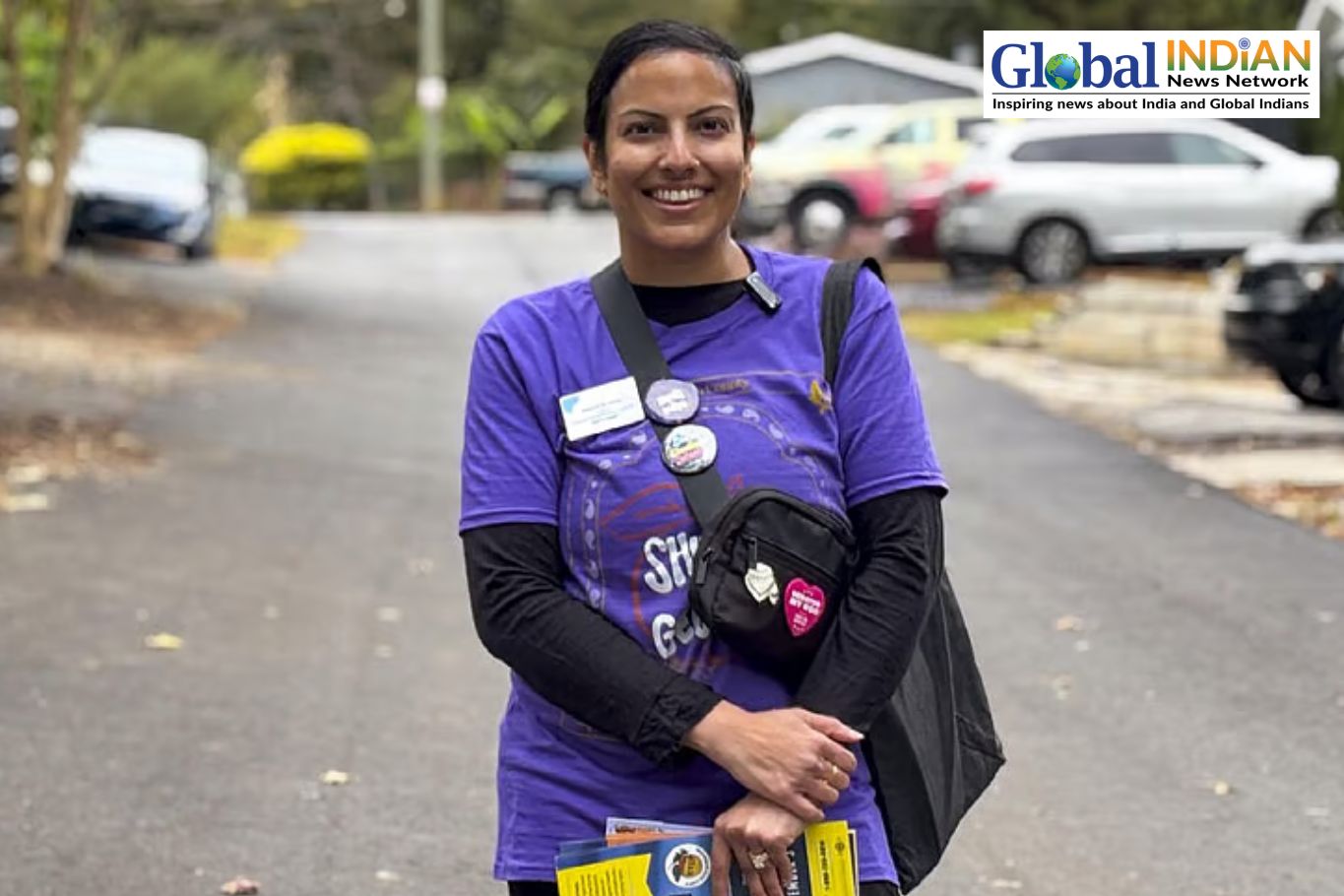
With the election approaching, Patel has been actively campaigning through door-to-door outreach, meeting residents and reminding voters about her candidacy. On Sunday morning, she continued her campaign by visiting neighbourhoods and engaging directly with potential voters.
Patel, a Democrat, has described her decision to enter the electoral contest as a response to what she considers bullying by her Republican opponent. She has also expressed a desire to contribute towards building a better future for children and the wider community.
Her candidacy carries particular significance given Forsyth County’s historical background. In 1912, racial violence and intimidation by White residents and Ku Klux Klan-linked supremacist groups forced virtually the entire Black population out of the county. The region subsequently remained overwhelmingly White for much of the 20th century.
Against this historical backdrop, Patel’s campaign represents a notable moment for Indian-American political participation in the county. She is reported to be the first Indian-American to contest an elected office in Forsyth County.
Her electoral campaign also highlights the growing presence of Indian-Americans in local and state-level politics across the United States. Members of the Indian diaspora have increasingly entered public service, seeking representation in local government and contributing to debates on community development, inclusion and civic participation.
As voters prepare to cast their ballots, Patel’s contest has drawn attention to the importance of local elections in shaping community leadership and representation.
Her campaign in Forsyth County reflects a broader story of immigrant participation in American democracy, where candidates from diverse backgrounds are seeking opportunities to influence public policy and contribute to their communities.