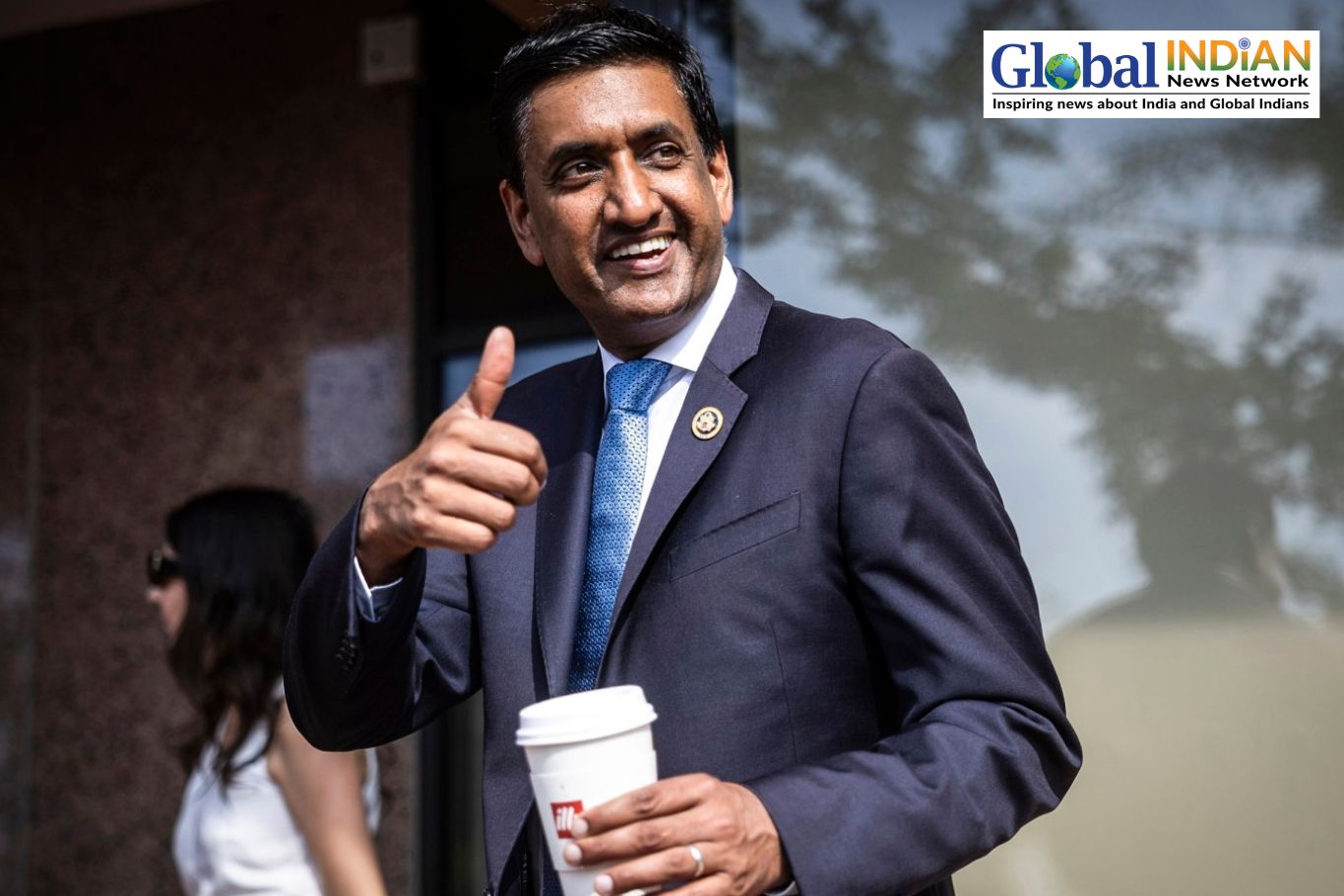
Congressman Ro Khanna of California leads Indian-American candidates contesting seats in the US House of Representatives in campaign fundraising, with $16.93 million in cash on hand, according to Federal Election Commission (FEC) data available ahead of the latest reporting disclosures.
Khanna, a Democrat representing California’s 17th Congressional District, had raised $13.76 million during the 2026 election cycle and reported $16.93 million in campaign cash as of the latest figures cited in the available data. His fundraising position places him among the financially strongest House candidates as the November 3 elections approach.
His Republican challenger, Ritesh Tandon, who is also Indian American, reported raising $52,500 during the election cycle through September 30, with $702 remaining in campaign funds.
The fundraising figures offer a snapshot of the financial resources available to Indian-American candidates competing in congressional races across the United States. However, reporting periods vary among campaigns, making direct comparisons difficult until more candidates submit their latest quarterly disclosures.
Representative Pramila Jayapal, a Washington state Democrat, had raised $2.50 million and held $1.77 million in campaign cash as of July 15. Her Republican challenger, Nirav Sheth, reported raising $11,800 and holding $5,000 as of July 22.
Representative Ami Bera, a California Democrat, had raised $1.25 million and held $1.83 million in cash as of June 30. Representative Suhas Subramanyam, a Democrat representing Virginia’s 10th Congressional District, had raised $1.17 million and held $583,000 as of July 15.
Among Indian-American challengers seeking to enter Congress, Democrat Pia Dandiya of Florida’s 22nd Congressional District had raised $2.28 million and held $1.30 million in campaign funds as of July 29. Dandiya is seeking to become the first person of Indian origin to represent Florida in the US House.
Democrat Amish Shah, contesting Arizona’s 1st Congressional District, had raised $1.83 million and held $402,000 as of July 1. Both candidates are seeking to expand Indian-American representation in Congress through competitive electoral contests.
Several other Indian-American candidates have filed their third-quarter campaign finance reports, covering the period from July 1 through September 30.
Republican Max Ganorkar, running in North Carolina’s 4th Congressional District, reported raising $18,600 and holding $16,800 in campaign cash. Independent candidate Sandeep Dixit, contesting Ohio’s 13th Congressional District, reported raising $81,900 and holding $7,300.
Democrat Mark Nair, who is running in Texas’ 13th Congressional District, reported raising $132,000 and holding $14,500.
The fundraising figures represent different reporting periods, with several candidates’ latest available disclosures covering dates before their party primaries or ending in July. The third-quarter reports are expected to provide a more comprehensive assessment of campaign receipts, expenditures and remaining funds for many candidates.
Khanna’s substantial campaign reserves have also drawn attention to his broader political profile and prompted speculation about his future ambitions. His financial position highlights the fundraising advantage that established congressional figures can have over challengers entering competitive races.
The November 3 elections will determine all 435 seats in the US House of Representatives. Six Indian-American lawmakers currently serve in the chamber, all as Democrats, although the number could change depending on the outcome of this year’s contests.
Campaign finance disclosures provide voters with information about the money candidates raise, how they spend it and the resources available to sustain their campaigns. The Federal Election Commission is the independent federal agency responsible for administering and enforcing federal campaign finance laws.
House candidates who raise or spend more than $5,000 are generally required to file regular reports disclosing campaign receipts, expenditures and cash on hand. These disclosures offer insight into the financial dynamics of congressional elections and the resources candidates can deploy to communicate with voters.
As the election campaign advances, the latest filings will help clarify how established lawmakers and emerging candidates are positioned financially in the contest for seats in the US House of Representatives.