 Education activist Sonam Wangchuk ended his 26-day hunger strike after midnight on Thursday following discussions with senior government representatives and assurances on strengthening India’s examination system. The protest, which drew widespread attention amid concerns over the NEET paper leak controversy, concluded after a meeting with Union Ministers JP Nadda and Dr. Jitendra Singh at Medanta Hospital in Gurugram.
Wangchuk announced that he had ended his fast in the presence of government leaders and representatives from the Apex Body of Leh Ladakh after what he described as detailed discussions over multiple demands. He said the decision was taken after extensive negotiations and amid concerns over maintaining peace during nationwide demonstrations.
The activist also thanked lawmakers from different political parties who had either met him or appealed to him to end the hunger strike. He urged supporters to remain cautious and avoid any form of violence while continuing to raise their concerns through democratic channels.
The government said three major assurances played a key role in Wangchuk’s decision to withdraw the protest. The first assurance involved a positive consideration of not filing cases against individuals who participated peacefully in demonstrations at Delhi’s Jantar Mantar and the march toward Parliament on July 20.
The second commitment focused on holding further discussions in Parliament regarding long-term solutions to prevent examination irregularities and improve the country’s testing system. The government also indicated that it was considering appropriate compensation for families of students who reportedly lost their lives following the NEET paper leak controversy.
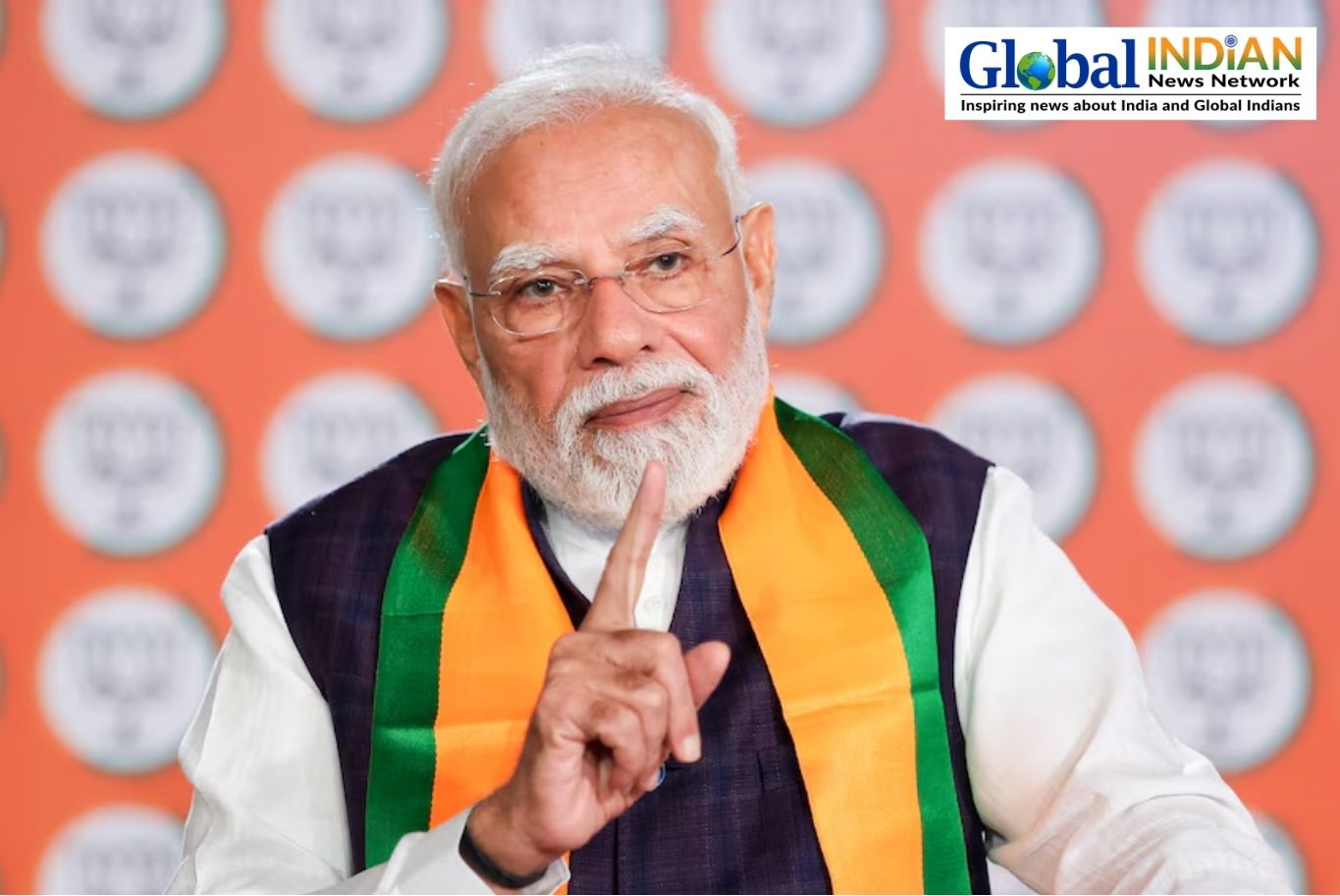
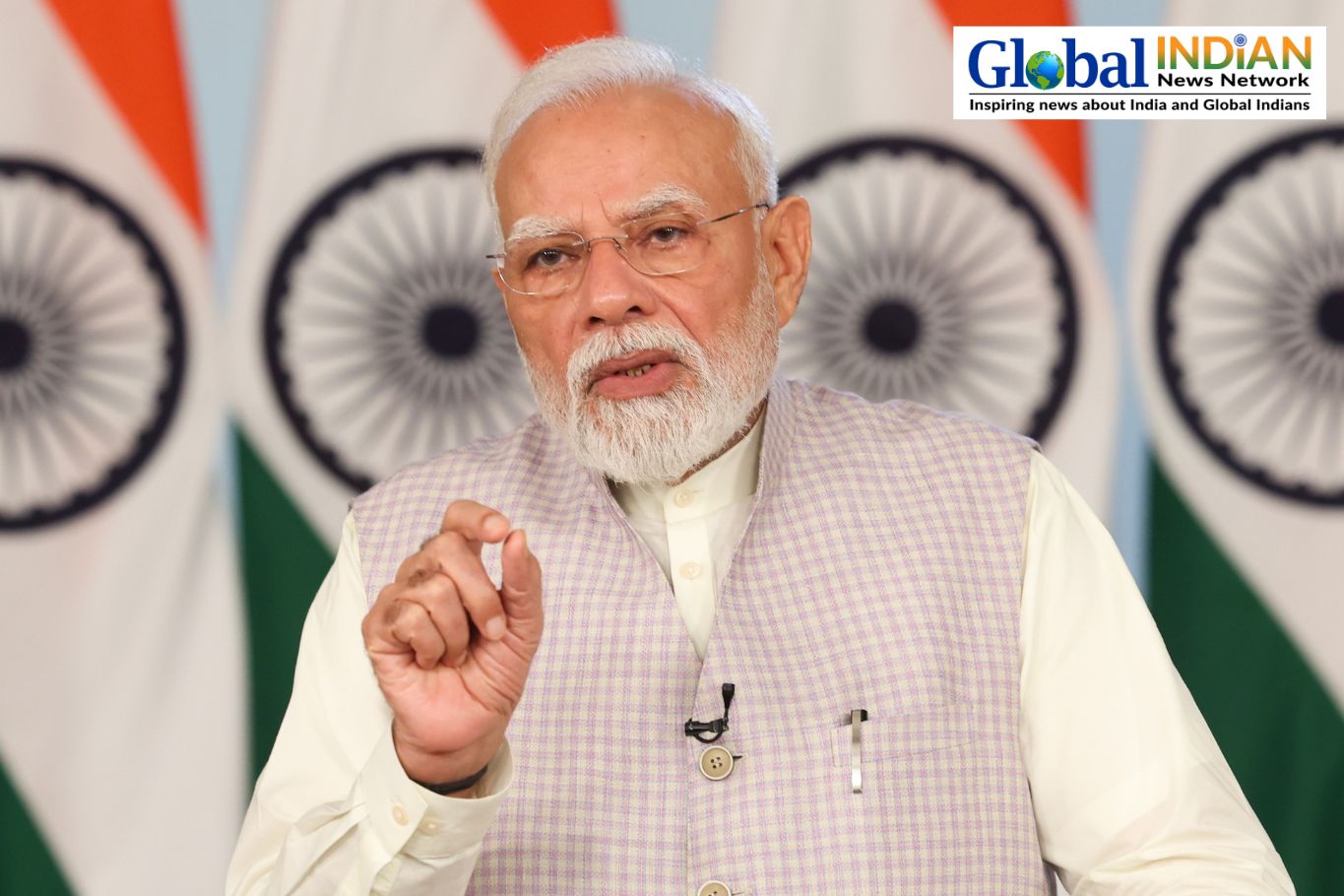
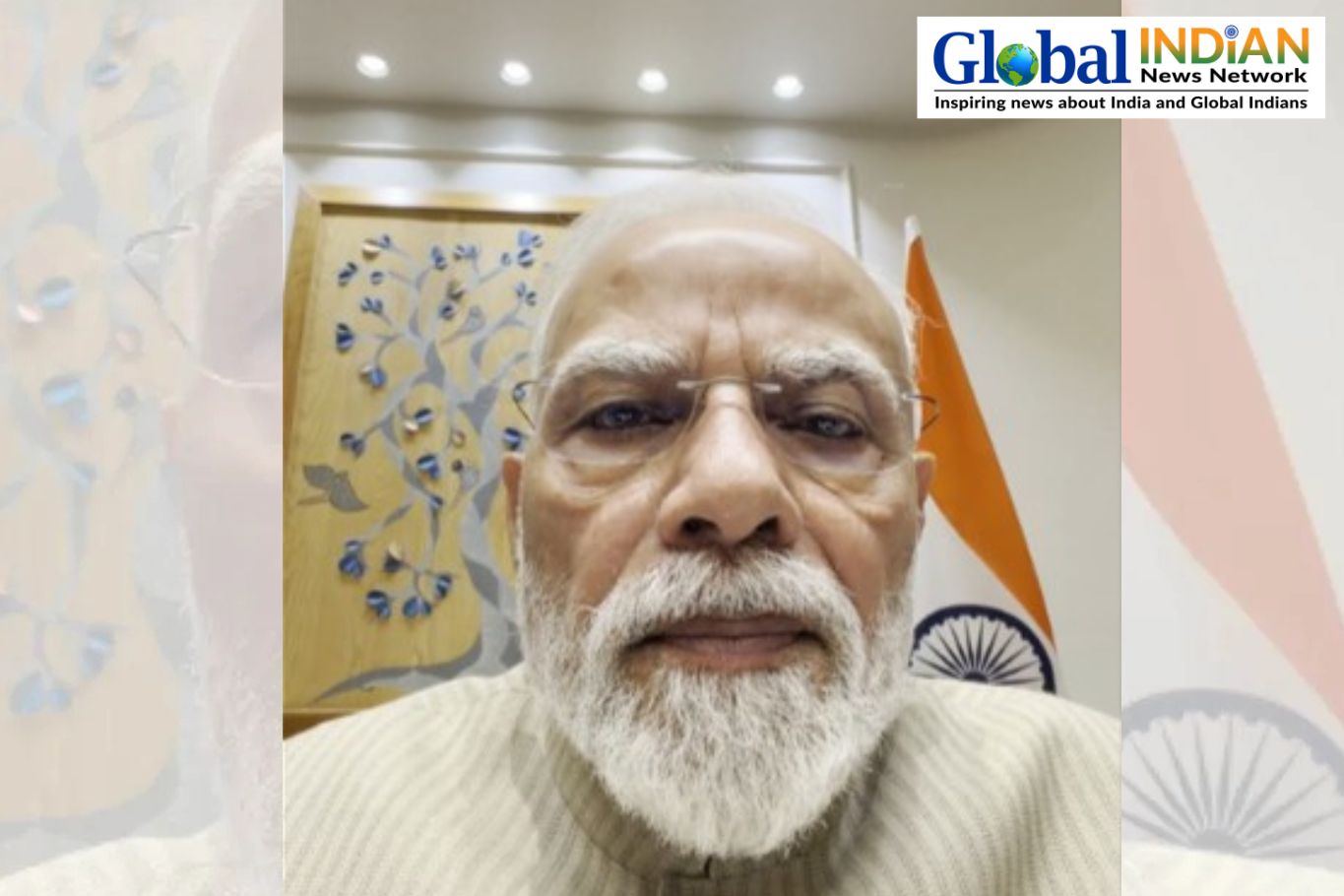
Prime Minister Narendra Modi’s message was another important development in ending the deadlock. In a late-night address after a Cabinet meeting, Modi described paper leaks as a serious issue affecting the future of young Indians. He announced plans to introduce stronger legislation against examination fraud and establish fast-track courts to speed up legal proceedings against those involved.
The Prime Minister emphasized that individuals responsible for harming students’ futures would face strict action, reinforcing the government’s commitment to improving transparency and accountability in competitive examinations.
Alongside political discussions and policy announcements, the Centre also implemented a senior-level reshuffle within the Education Ministry. Higher Education Secretary Vineet Joshi was transferred to the Ministry of Panchayati Raj, while Naresh Pal Gangwar was appointed as the new Higher Education Secretary. TK Anil Kumar was named Secretary of the Department of School Education and Literacy.
The government’s response combined outreach, proposed legal reforms, and administrative changes aimed at restoring confidence in India’s examination framework. The effectiveness of these measures will depend on how successfully they address concerns over paper leaks and ensure a fairer system for millions of students.