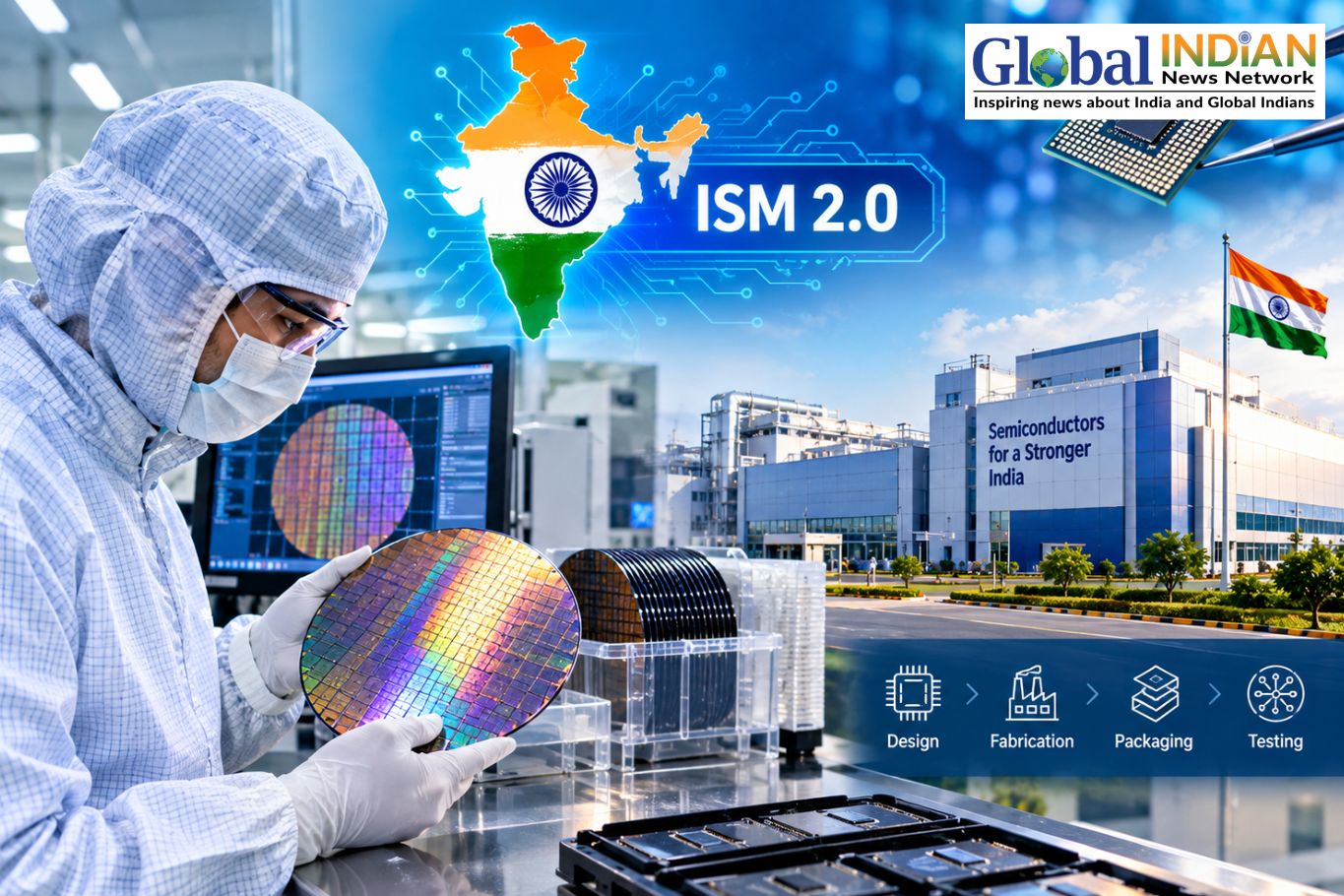
 The Union Cabinet, led by Prime Minister Narendra Modi, has approved India Semiconductor Mission (ISM) 2.0, a major initiative backed by an investment of $13.25 billion to strengthen the country’s semiconductor industry. The program is designed to accelerate India’s capabilities in chip design, manufacturing, research, and workforce development while positioning the nation as a key player in the global semiconductor supply chain.
Alongside the semiconductor initiative, the Cabinet also cleared the Mobile Phone Manufacturing Scheme (MPMS) with a budget of $6.49 billion. Together, the two programs form part of a larger package valued at approximately $22.76 billion, reflecting the government’s continued focus on expanding India’s high-tech manufacturing sector and reducing dependence on imports.
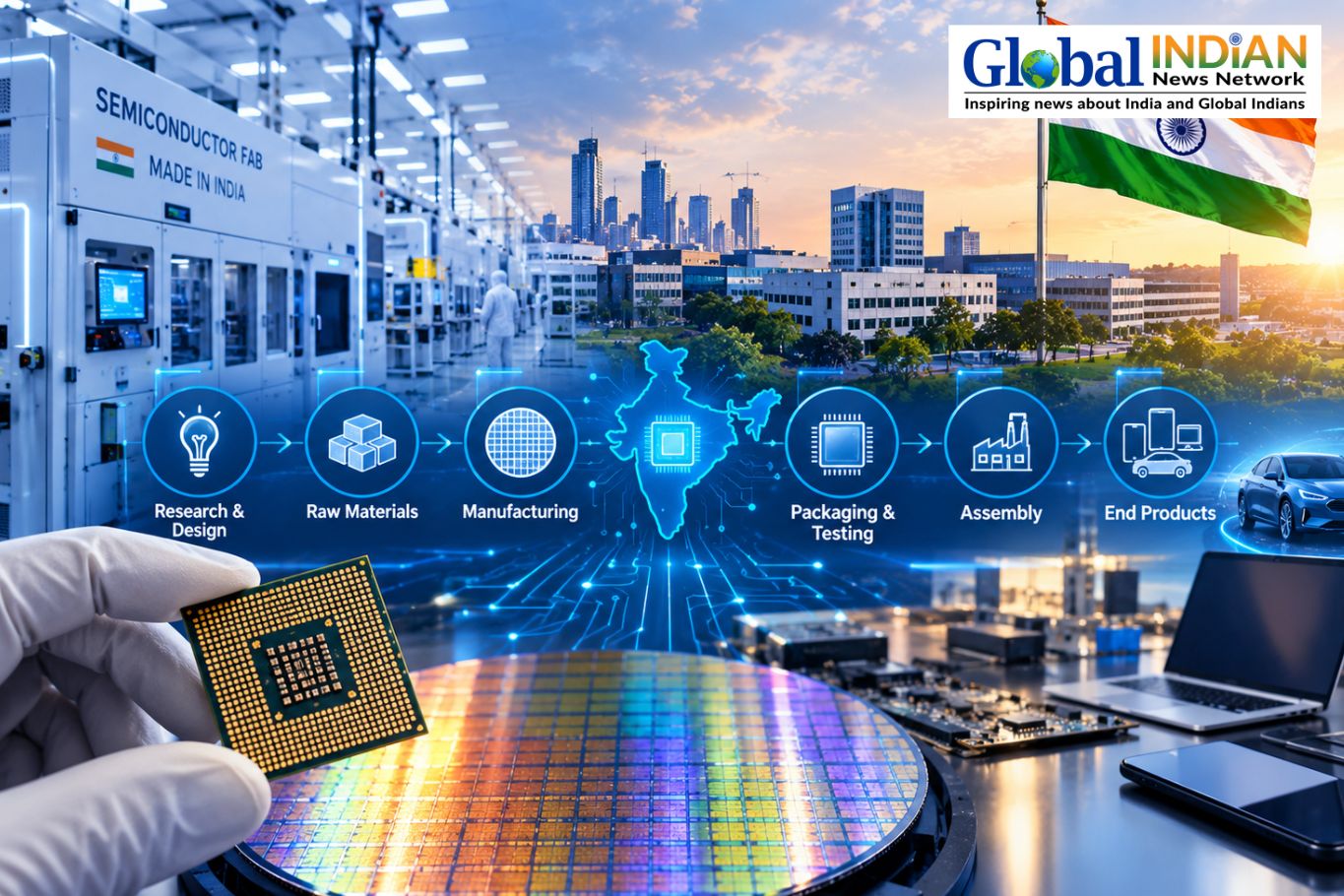
India Semiconductor Mission 2.0 builds upon the achievements of the earlier Semicon 1.0 program, introducing a comprehensive strategy based on six key areas. These include semiconductor chip design, manufacturing equipment and materials, fabrication facilities, Assembly, Testing, Marking and Packaging (ATMP), Outsourced Semiconductor Assembly and Test (OSAT), research and development, and talent creation. The goal is to develop a complete semiconductor ecosystem that supports every stage of the chip production process.
Government officials believe the initiative will encourage greater domestic manufacturing while attracting international technology companies looking to diversify their global supply chains. By strengthening research capabilities and expanding industrial infrastructure, the mission aims to establish India as a competitive destination for semiconductor production and innovation.
The earlier Semicon 1.0 program laid the groundwork for this expansion by approving 12 semiconductor manufacturing and packaging projects with combined investments exceeding $17.07 billion. These projects include fabrication facilities and advanced packaging units that are expected to boost domestic production capacity and strengthen India’s electronics manufacturing ecosystem.
The government has also invested significantly in developing skilled talent for the sector. More than 100 startups and micro, small, and medium-sized enterprises (MSMEs) have received access to advanced Electronic Design Automation (EDA) tools, enabling innovation in semiconductor design. In addition, over 300 universities have participated in semiconductor education programs, collectively training nearly 68,000 students with specialized chip design skills.
With ISM 2.0, India is seeking to build on this momentum by combining infrastructure investment, research, manufacturing, and workforce development into a unified strategy. The initiative is expected to support long-term technological growth, strengthen the country’s electronics industry, and enhance India’s position as an emerging global hub for semiconductor manufacturing and innovation.