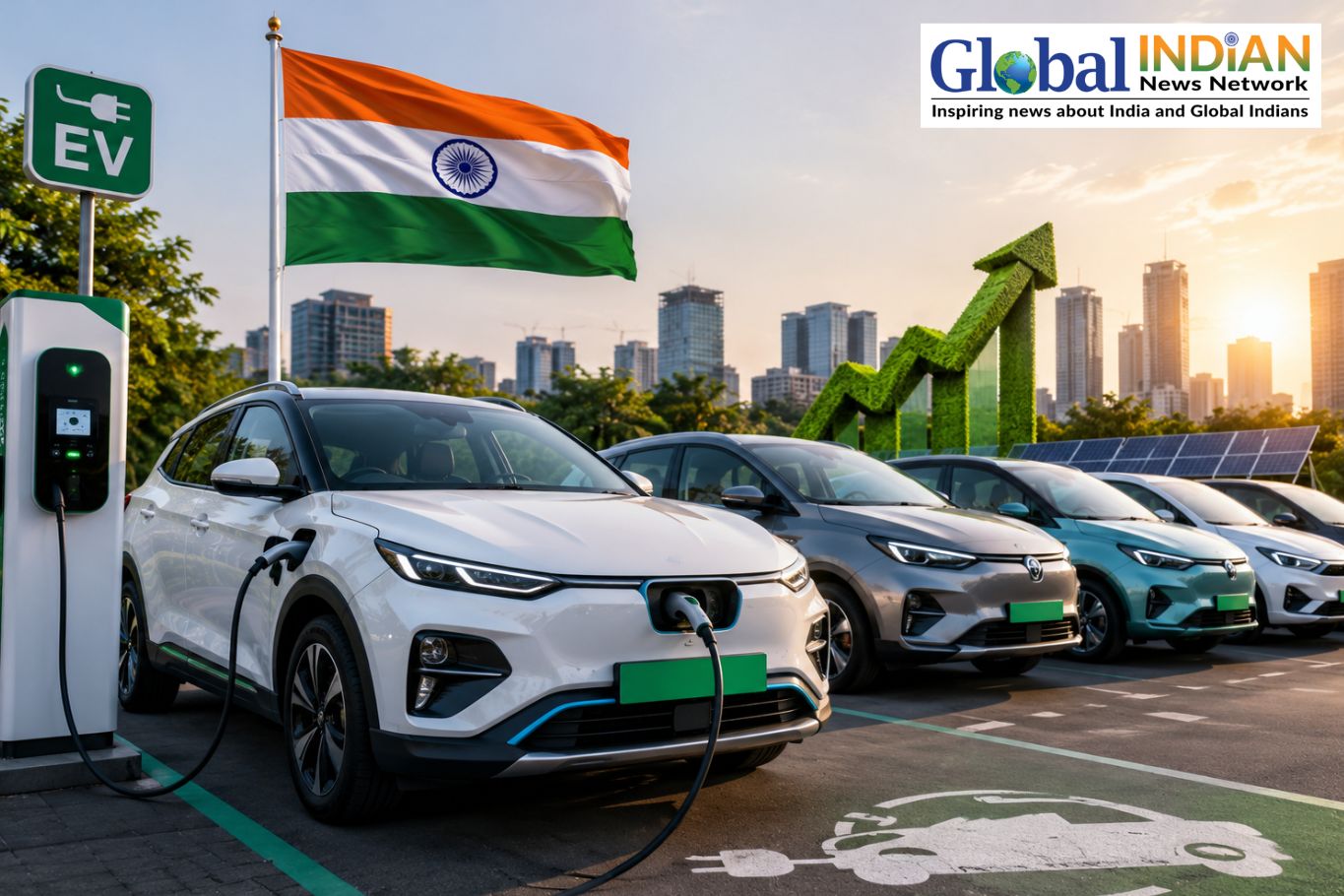
 India’s electric passenger vehicle market is on track to achieve a major milestone in 2026, with annual sales expected to cross 300,000 units for the first time, according to a report by Frost & Sullivan. The surge is being supported by increasing consumer interest in electric mobility, a broader range of vehicle options, and continued improvements in charging infrastructure across the country.
Industry estimates suggest that electric passenger vehicle sales were slightly below 200,000 units in 2025, but momentum has strengthened significantly in 2026. In the first six months of the year alone, registrations have already reached nearly 150,000 units, reflecting strong early demand. Monthly registrations have also shown steady growth, averaging around 27,000 units over the past four months. Analysts expect the upcoming festive season, which traditionally drives higher automobile purchases in India, to further accelerate sales during the second half of the year.
A key factor behind this expansion is the rapid increase in available electric vehicle models. According to Crisil, the number of electric passenger vehicle options in India has doubled over the past two financial years, reaching approximately 20 models. This figure is projected to rise beyond 35 models in the next financial year, significantly improving consumer choice across different price segments. Many of these new offerings are expected to fall within the sub-$15,892 price category (around ₹15 lakh), making EVs more accessible to middle-income buyers.
Technological improvements are also playing a critical role in boosting confidence among buyers. Modern electric vehicles now offer significantly improved driving ranges, with premium models delivering between 500 and 700 kilometers on a single charge, while mid-range variants provide around 300 to 450 kilometers. These advancements are helping ease concerns related to range limitations, which has historically been one of the biggest barriers to EV adoption.
At the same time, the expansion of charging infrastructure across urban centers and highways is making electric mobility more practical for everyday use. Faster charging solutions, increased station availability, and better network coverage are reducing downtime and improving convenience for users.
Together, these developments—strong model growth, better battery performance, and expanding infrastructure—are expected to accelerate India’s transition toward cleaner transportation. The overall trend aligns with the country’s broader goals of promoting sustainable mobility and reducing carbon emissions while strengthening the domestic electric vehicle ecosystem.