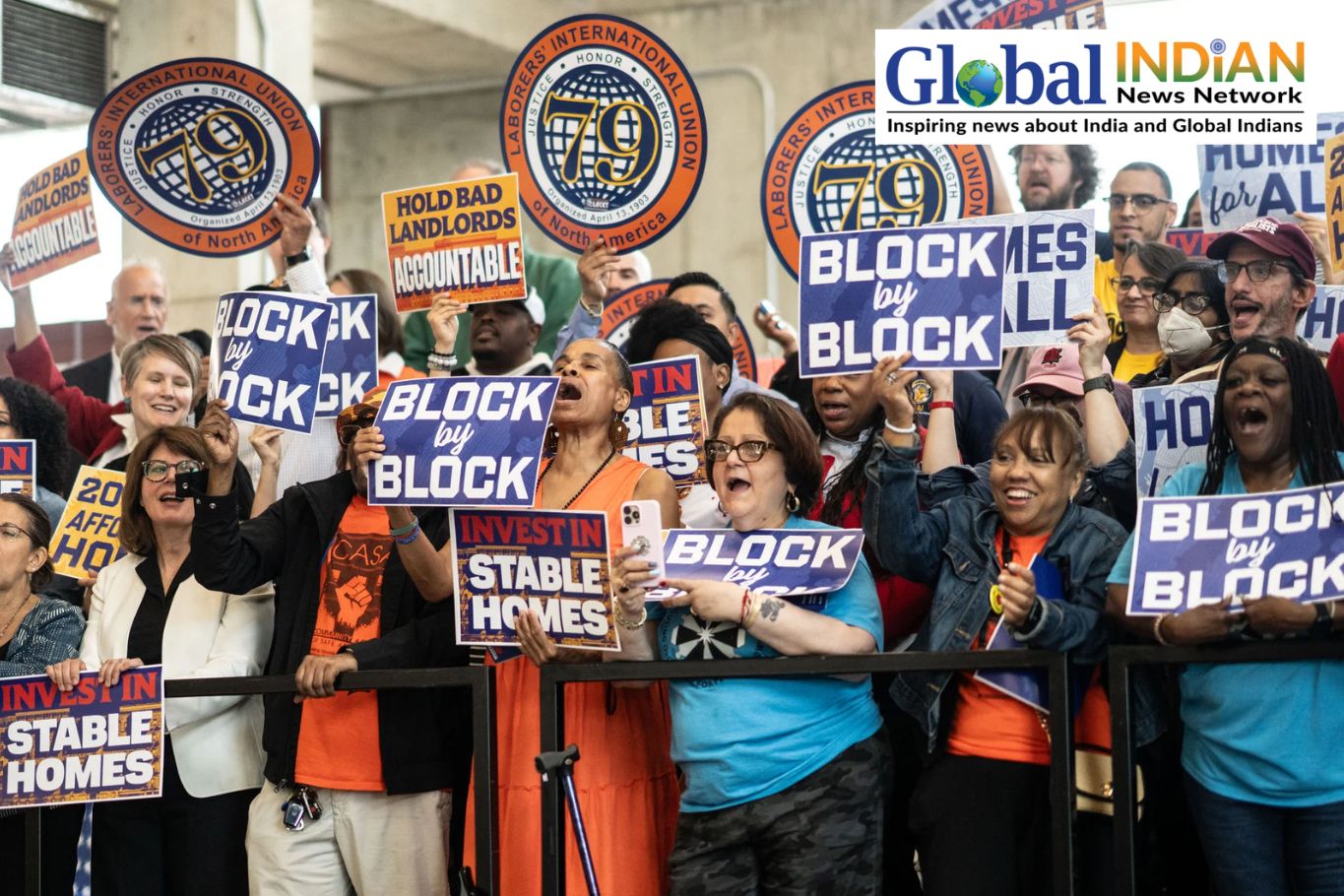
 New York City has introduced an extensive housing blueprint designed to tackle the city’s affordability challenges and significantly expand housing availability over the coming years. The initiative, called Block by Block, outlines a strategy to create 200,000 affordable homes within the next decade while implementing reforms intended to speed up construction and maximize public investment.
Mayor Zohran Mamdani described the proposal as a large-scale response to a housing shortage that has made it increasingly difficult for many residents to find affordable places to live. According to city officials, the plan combines direct investments, financing innovations, and regulatory changes to support the development of affordable housing across all neighborhoods.
A major component of the initiative is a commitment of nearly $5 billion over the next two years to support rent-stabilized affordable housing projects. The funding package includes dedicated resources for senior housing and supportive housing developments, ensuring that vulnerable populations receive targeted assistance while the city expands its overall housing stock.
The administration believes increasing housing supply is essential to addressing rising rents and affordability concerns. Officials say every neighborhood must contribute to future growth, allowing residents to access a broader range of housing options regardless of income level or stage of life.
The plan also introduces a citywide transit-oriented development strategy aimed at encouraging residential construction near public transportation hubs. By increasing housing around transit networks, the city hopes to improve accessibility while supporting sustainable urban growth.
In addition, the initiative leverages new voter-approved land-use tools designed to accelerate affordable housing development and reduce delays. City leaders say these measures will help streamline approvals and encourage more projects to move forward.
Another notable proposal is the creation of New York City’s first revolving loan fund for affordable housing. Officials expect the fund to attract additional private investment while enabling public resources to support a larger number of developments.
The administration is also continuing policies introduced at the beginning of the mayor’s term to speed up construction and increase housing opportunities on city-owned land. Proposed reforms are expected to shorten approval timelines for affordable housing projects by several months, with larger developments potentially seeing even greater reductions in development schedules.
Beyond construction goals, the strategy emphasizes housing quality, preservation efforts, and support for vulnerable residents. Advocates backing the plan argue that solving the housing crisis requires a combination of new development, preservation of existing homes, and targeted investments in communities.
With substantial funding commitments and broad support from housing organizations, labor groups, and elected officials, the city hopes the Block by Block initiative will create a more affordable and inclusive future for New Yorkers while addressing one of its most pressing urban challenges.