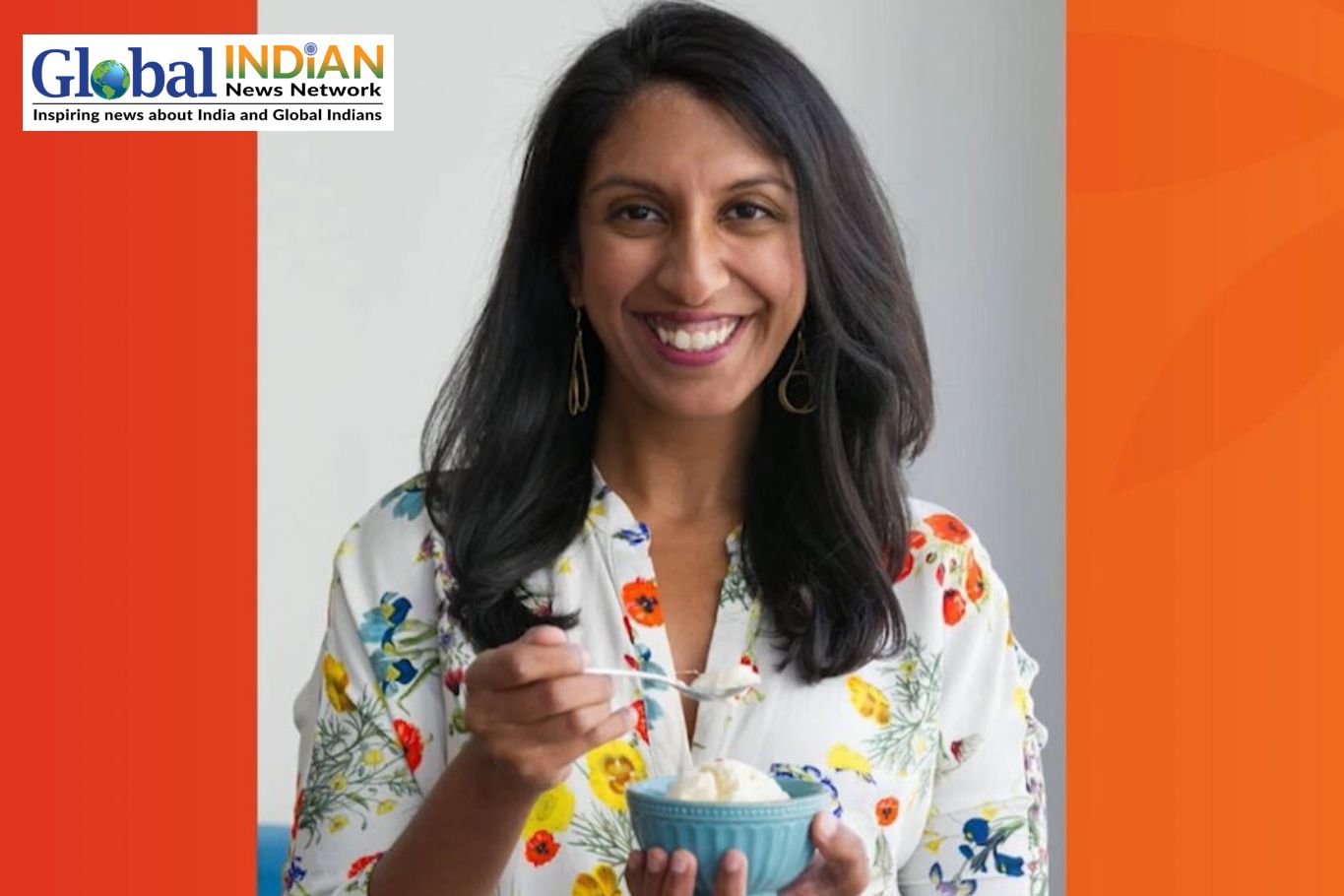
 Indian American entrepreneur Pooja Bavishi has successfully turned a homemade dessert idea into a thriving multi million dollar business by bringing Indian inspired flavors into the mainstream American ice cream market. Her company, Malai, has gained recognition for blending traditional Indian ingredients with premium frozen desserts, helping the brand stand out in the competitive food industry.
Founded in 2015, Malai recorded approximately 2.8 million dollars in revenue during 2025 and recently became profitable after years of expansion and steady business growth. The company now operates four stores across New York, Philadelphia, and Washington, D.C., while also growing its online and wholesale operations.
Malai became popular for offering distinctive flavors made with ingredients commonly found in Indian households, including saffron, cardamom, rose, ginger, and nutmeg. Bavishi believed American consumers were ready to explore flavors beyond standard chocolate and vanilla options. She has said that Indian flavors should not be viewed as experimental because they have been enjoyed by billions of people for generations.
Before entering the food industry, Bavishi studied urban planning at the London School of Economics and later worked for a nonprofit organization in Washington as a civil rights project coordinator. She had no professional culinary experience before starting the company.
The idea for Malai emerged in 2014 while she was pursuing her MBA at New York University. During a dinner gathering, Bavishi served homemade ginger and star anise ice cream to friends, who were impressed by the flavor and originality of the dessert. Their positive response encouraged her to develop the idea further.
Soon afterward, Bavishi began producing ice cream from her home kitchen and selling it at outdoor markets across New York City. Friends assisted her in serving customers while she closely studied customer reactions and buying habits. She later explained that understanding consumer demand was critical before fully committing to the business.
A major breakthrough came in 2015 when a writer from The New York Times featured Malai after sampling the ice cream. The media exposure significantly increased demand and boosted online orders for frozen desserts and pints.
To finance the business during its early years, Bavishi relied heavily on credit cards to cover ingredient costs and commercial kitchen expenses. In 2017, she raised funding from friends and family to support pop up stores and market stalls around New York. Later, she accumulated nearly 200,000 dollars in credit card debt to launch Malai’s first permanent Brooklyn store, eventually repaying the amount over time.
Today, about 80% of Malai’s revenue comes from its retail stores, all of which reportedly operate profitably. The company has also secured approximately 1.8 million dollars in outside investment while allowing Bavishi to remain the majority owner.
Malai’s success highlights how Indian American entrepreneurs continue influencing food trends in the United States by introducing authentic cultural flavors to wider audiences.