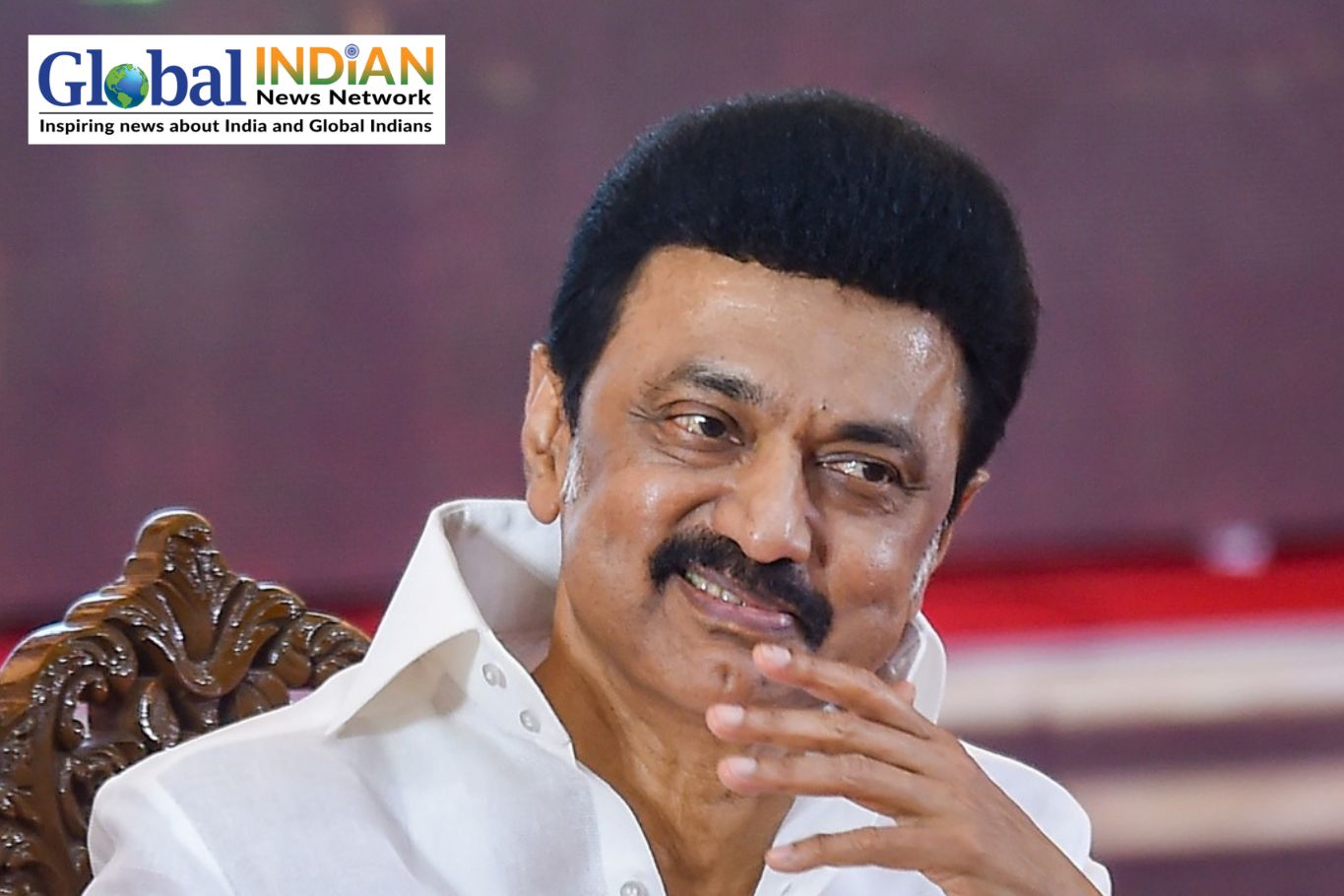
 Tamil Nadu witnessed a dramatic political shift in the 2026 Assembly election trends as the newly formed Tamilaga Vettri Kazhagam (TVK), led by actor-politician Vijay, emerged as a powerful contender and disrupted the traditional dominance of established parties. Early results indicated that TVK had performed strongly across several regions, signaling a major change in the state’s political landscape.
In a surprising development, Chief Minister M. K. Stalin reportedly lost in the Kolathur constituency to VS Babu, the TVK candidate. This outcome added to the growing impact of the debutant party, which rapidly positioned itself as a leading force in the state. According to counting trends around mid-afternoon, TVK had secured wins in multiple constituencies while also leading in a large number of others, emerging as the single largest party in early projections.
The DMK, meanwhile, secured a smaller number of seats in comparison but continued to maintain leads in several constituencies. The overall majority requirement for forming the government in Tamil Nadu stands at 118 seats, keeping the final outcome dependent on later rounds of counting.
Political analysts attributed TVK’s strong performance to several key factors, including significant support from young voters, widespread anti-incumbency sentiment, and an aggressive grassroots campaign strategy. The party’s outreach across both urban and semi-urban regions is being seen as a major driver of its early success.
TVK made particularly strong gains in Chennai and other urban centers, where it led in a large share of constituencies. These results indicated that the party was able to connect effectively with city-based voters, potentially drawing support away from established political groups.
Initially, TVK leaders expressed confidence that the party could form a government independently, citing what they described as a strong “wave of change” among voters dissatisfied with traditional political options. However, as counting progressed and trends stabilized, it became clear that the party might fall short of the required majority on its own.
Amid evolving results, discussions around possible post-poll alliances also began to surface. Vijay’s father reportedly suggested openness to political cooperation with other parties, including the Congress, highlighting the fluid nature of post-election negotiations.
The Tamil Nadu Assembly elections, held in a single phase, have thus produced a highly competitive and unpredictable outcome, marking one of the most significant political shifts in recent years for the state.