 India and Rwanda reviewed the full spectrum of bilateral relations during the second Joint Commission Meeting, reaffirming their commitment to strengthening cooperation across key sectors and deepening engagement on regional and global issues of mutual interest.
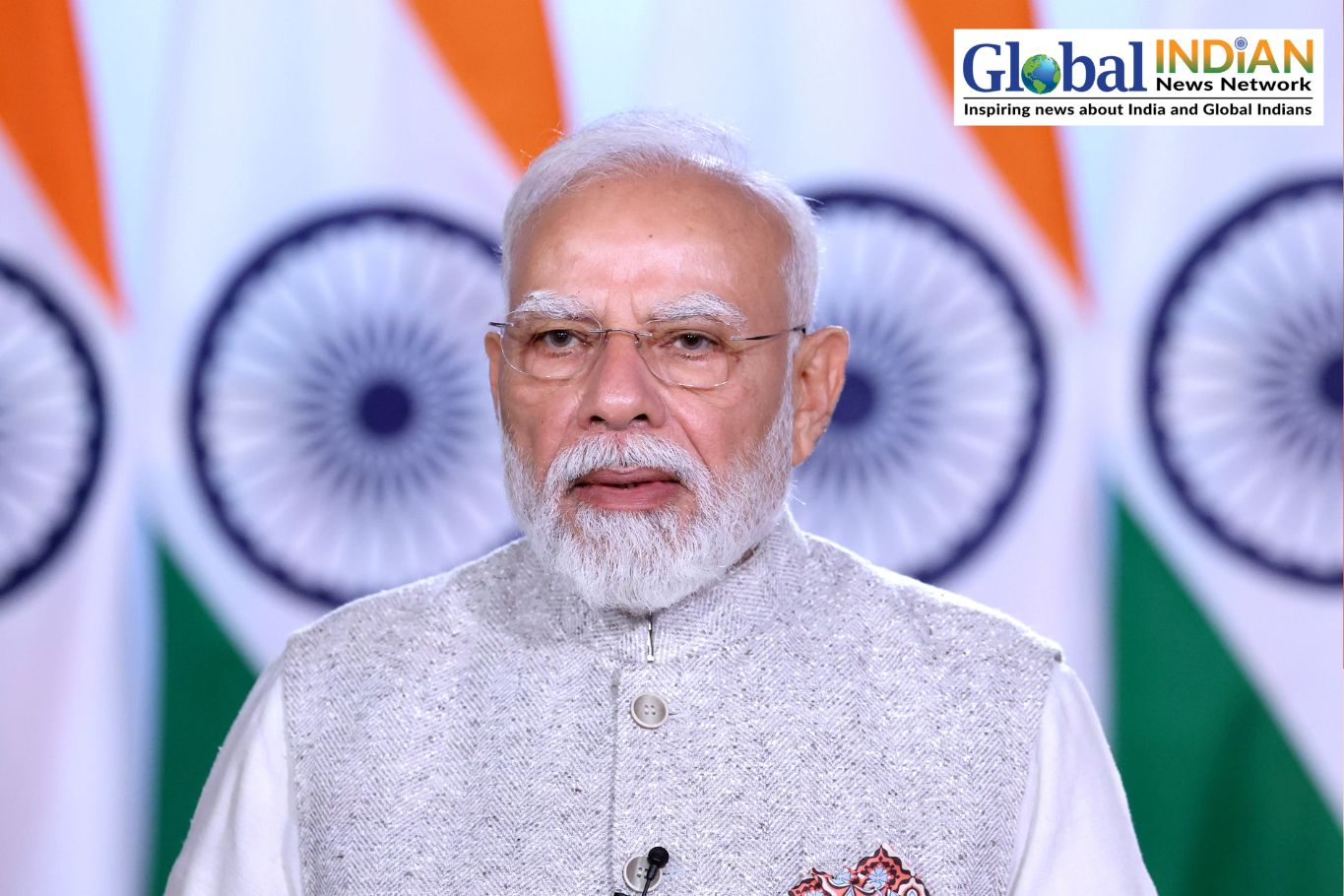
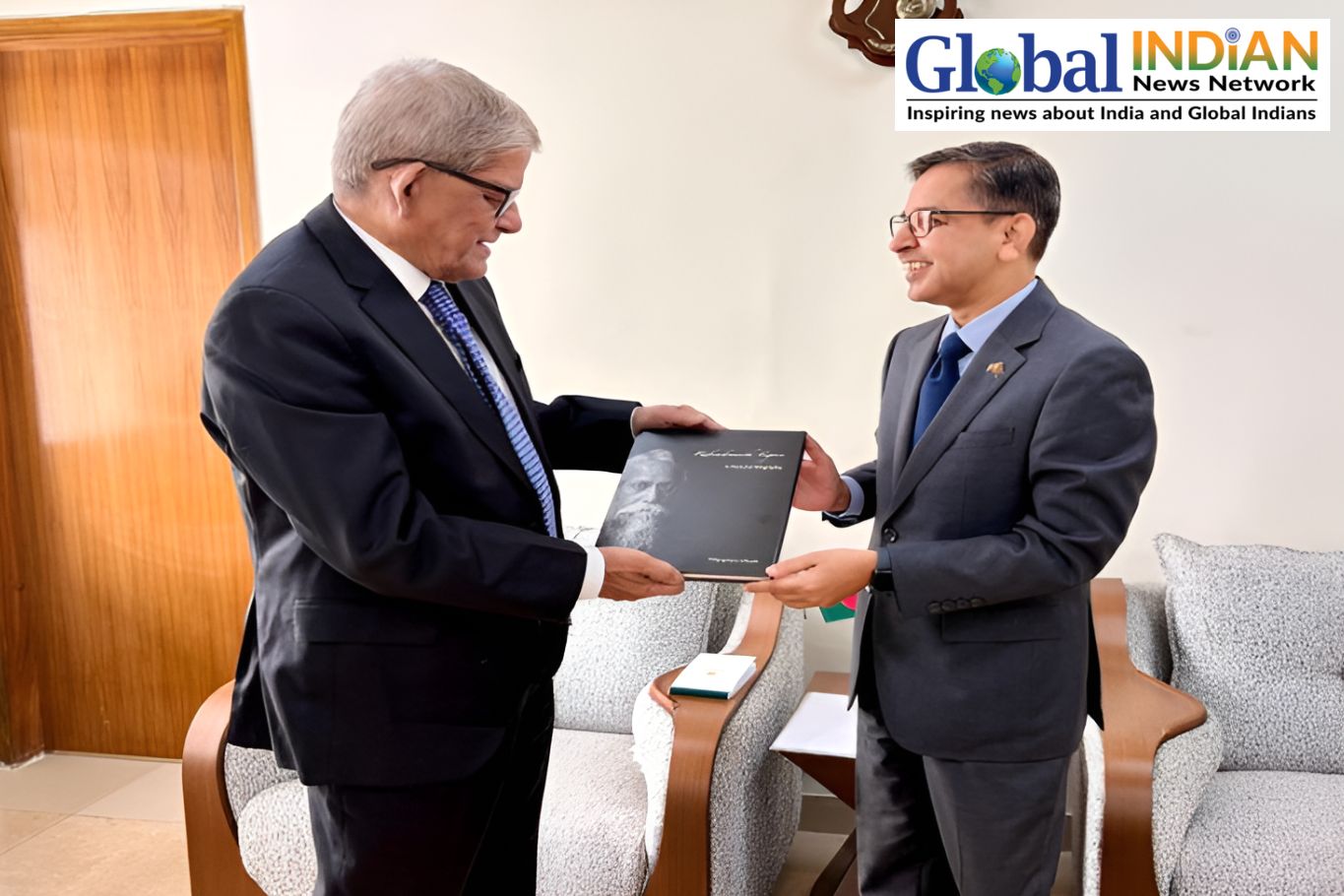
The meeting was co-chaired by Kirti Vardhan Singh, Union Minister of State for External Affairs, and Olivier J.P. Nduhungirehe, Rwanda’s Minister of Foreign Affairs and International Cooperation.
Discussions covered defence, agriculture, trade and investment, health, education, science and technology, digital platforms, culture and people-to-people contacts. Both sides also exchanged views on pressing regional and global developments.
A key outcome of the meeting was the signing of a Cultural Exchange Programme (CEP) for 2026–30, aimed at promoting deeper cultural engagement and fostering stronger societal links between the two nations.
Nduhungirehe is currently visiting India to attend the 11th edition of the Raisina Dialogue alongside the Joint Commission Meeting, signalling growing diplomatic coordination between New Delhi and Kigali.
Bilateral ties between India and Rwanda have remained cordial and have steadily expanded over the years. Rwanda opened its Mission in New Delhi in 1999 and appointed its first resident Ambassador in 2001. India established its resident Mission in Kigali in 2018, further strengthening diplomatic presence.
Economic cooperation continues to form a central pillar of the partnership. India is Rwanda’s second-largest foreign investor and one of its leading trading partners. Pharmaceuticals, ICT machinery, rice, textiles and sugar remain among key trade items.
Officials noted that the growing engagement reflects a shared commitment to broad-based cooperation anchored in development partnerships, trade expansion and strategic dialogue.
The latest meeting underscores India’s continued outreach to African partners and Rwanda’s emphasis on strengthening ties with major emerging economies across Asia.