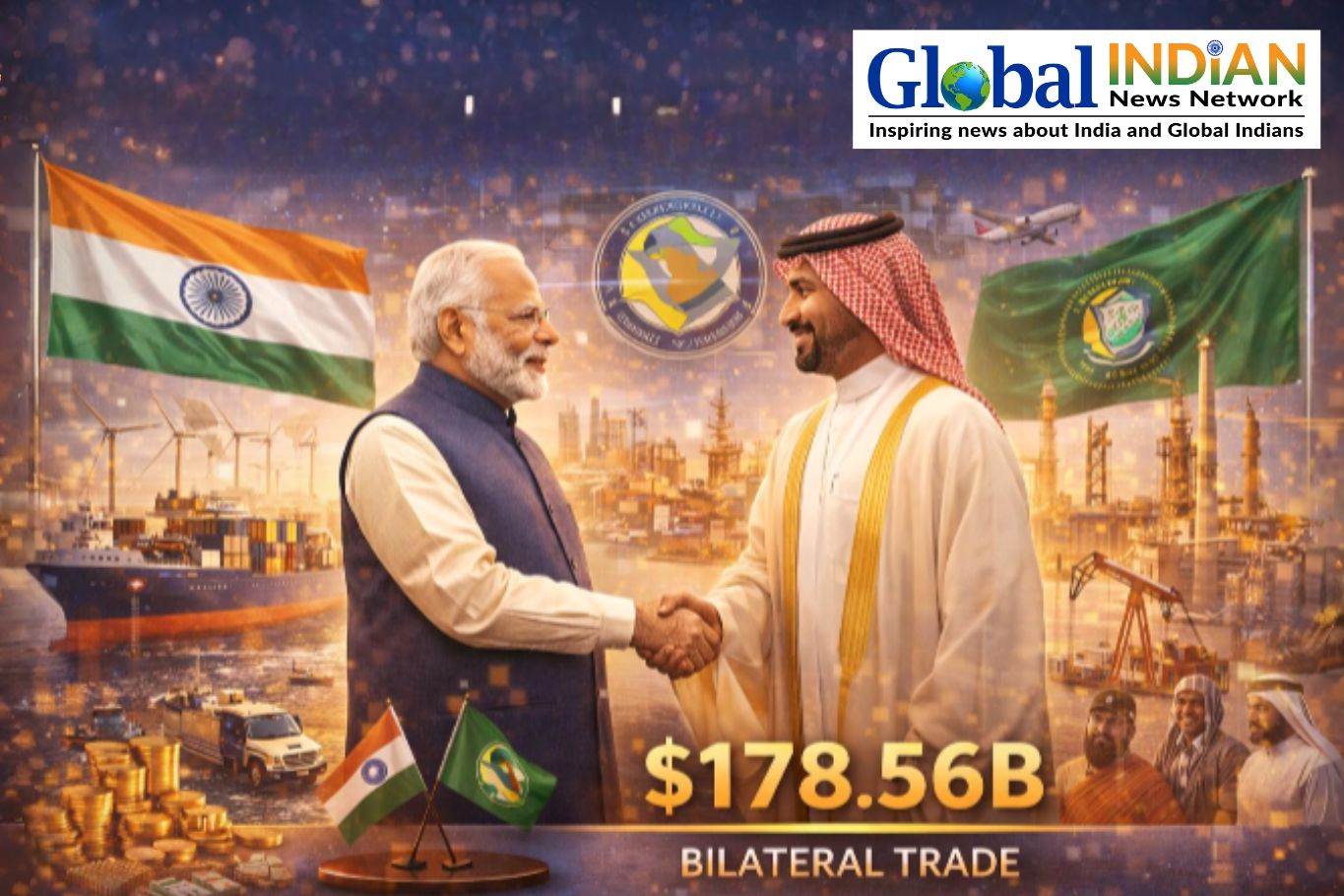
 India and the Gulf Cooperation Council (GCC) have officially initiated negotiations for a comprehensive Free Trade Agreement (FTA), marking a significant step in strengthening economic ties between the two sides. The formal launch was confirmed through a Joint Statement signed in New Delhi by Commerce and Industry Minister Piyush Goyal and GCC Secretary General Jasem Mohamed Albudaiwi. Earlier this month, both parties finalized the Terms of Reference (ToR), outlining the framework and scope of the proposed agreement.
The GCC, comprising Saudi Arabia, the UAE, Oman, Qatar, Kuwait, and Bahrain, is India’s largest trading bloc partner. Bilateral trade reached $178.56 billion in FY 2024-25, including $56.87 billion in exports and $121.68 billion in imports, accounting for over 15% of India’s total global trade. Over the past five years, trade between India and the GCC has grown at an average annual rate of 15.3%, reflecting deepening commercial integration.
India’s key exports to the region include engineering goods, rice, textiles, machinery, and gems and jewelry. In return, India imports significant volumes of crude oil, liquefied natural gas, petrochemicals, and precious metals such as gold. The six GCC nations collectively represent a consumer market of 61.5 million people and a combined GDP of $2.3 trillion, ranking among the world’s top economic groupings. The region is also an important investor in India, with cumulative foreign direct investment exceeding $31.14 billion as of September 2025.
While India already has an operational FTA with the United Arab Emirates and has concluded a separate agreement with Oman, negotiations with the broader GCC bloc had previously stalled due to differences over linking the trade pact with a Bilateral Investment Treaty (BIT). India maintained that the two processes should remain independent.
Originally launched in 2004 and revived in 2022 after years of pause, the renewed FTA negotiations signal fresh momentum toward establishing a broad-based trade and investment partnership aimed at enhancing market access, energy cooperation, and long-term economic growth.