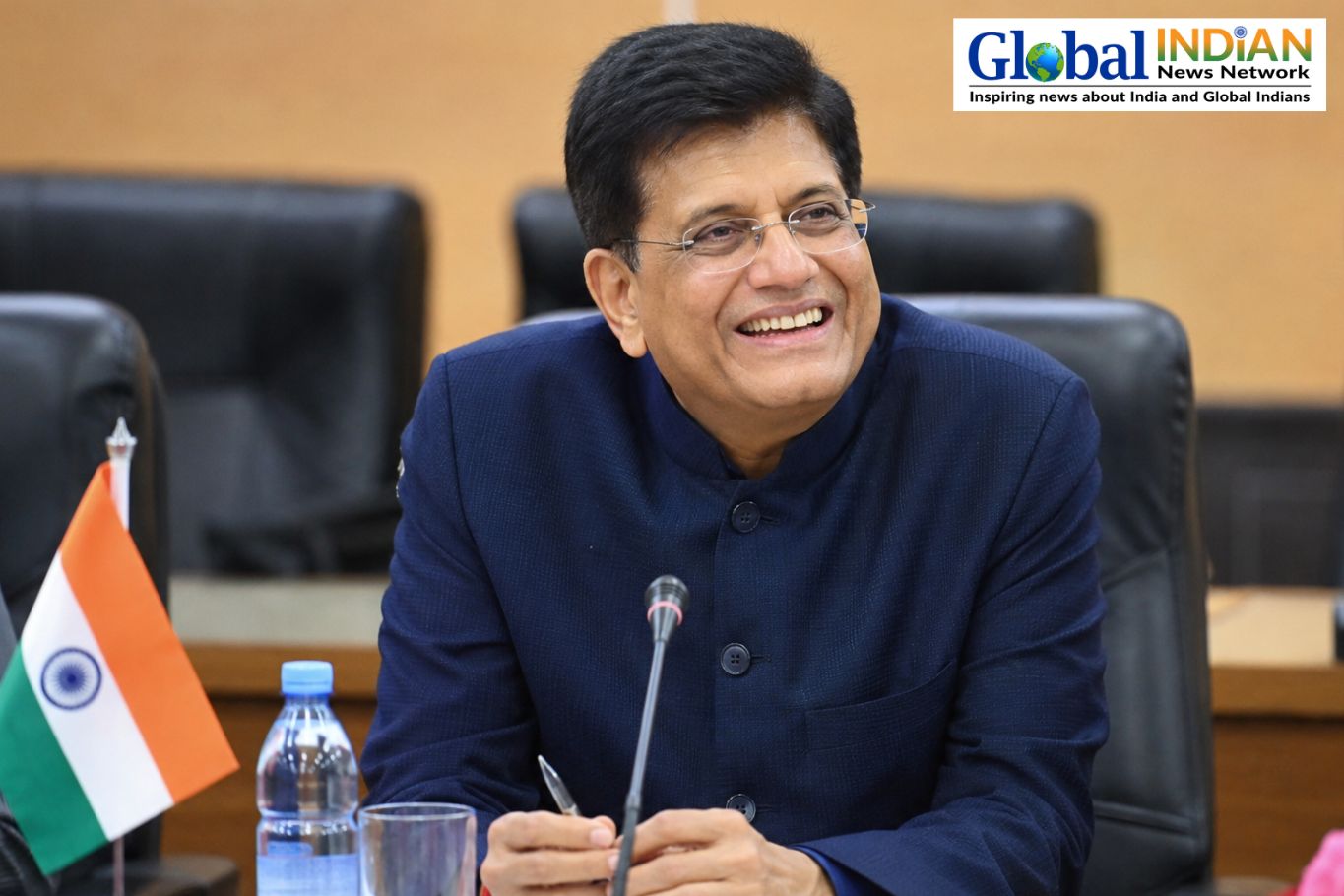
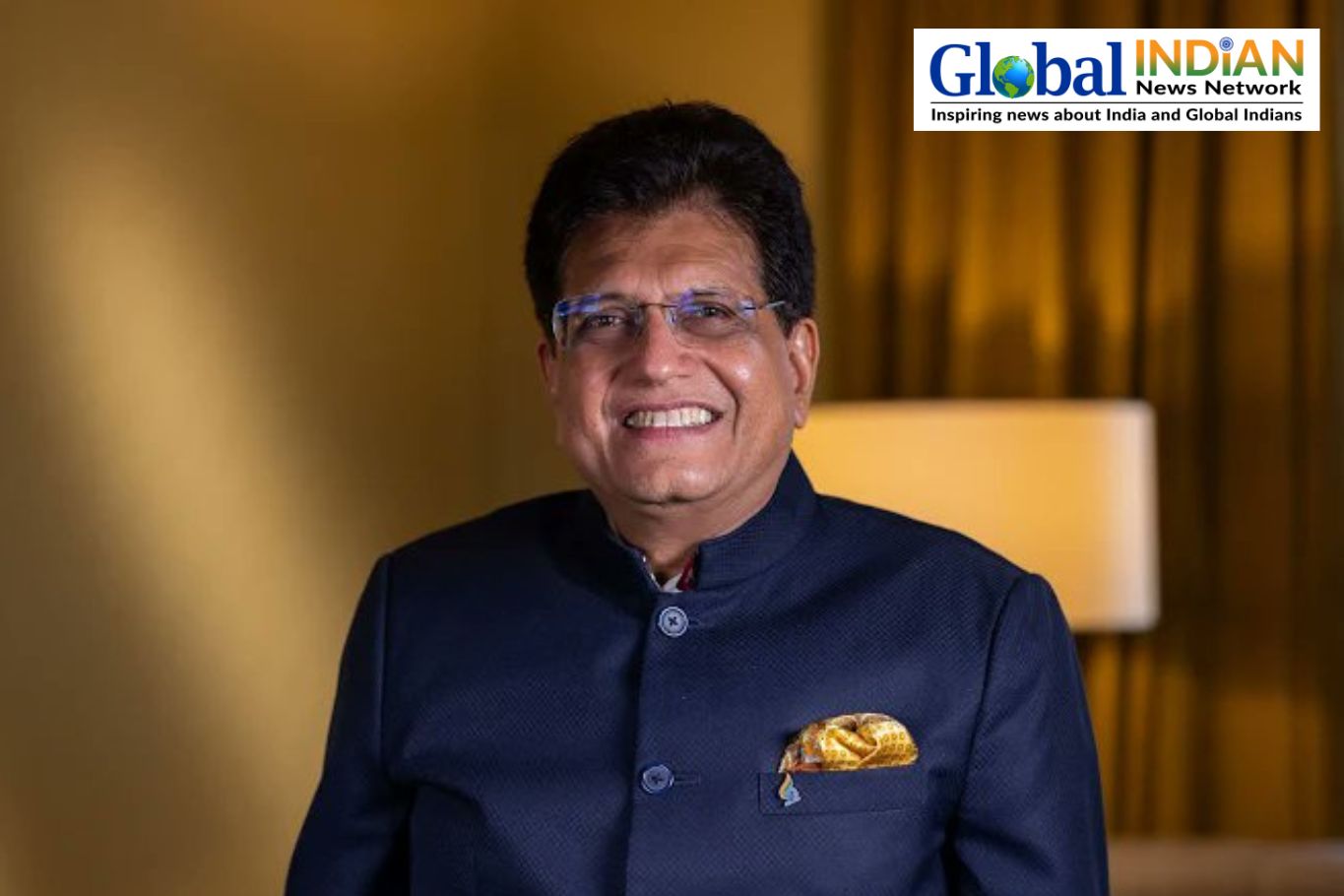
 Commerce and Industry Minister Piyush Goyal told Parliament that the recently concluded India–United States trade agreement has been structured in a way that fully safeguards the interests of Indian farmers. Speaking in the Lok Sabha, he stressed that agriculture and dairy products have been deliberately kept outside the scope of the pact, ensuring that sensitive rural sectors remain unaffected by external competition.
Goyal emphasised that while the government has been careful about protecting farming and food-related concerns, it has also used the agreement to unlock broader economic benefits. According to him, the deal is expected to create fresh prospects for micro, small, and medium enterprises, expand opportunities for skilled professionals, and provide a stronger push to industrial growth. He also linked the agreement to India’s long-term goal of strengthening energy security for its population, which exceeds 1,400 million people.
The minister highlighted that the partnership would make it easier for Indian businesses to access cutting-edge technologies. He described the deal as an important step toward advancing the country’s vision of producing, designing, and innovating for global markets, reinforcing initiatives that position India as a manufacturing and innovation hub.
His statement, however, was delivered amid loud protests by opposition lawmakers, who disrupted proceedings with slogans and heated exchanges. The disorder eventually forced the Speaker to adjourn the House, delaying scheduled parliamentary business, including Prime Minister Narendra Modi’s planned response to the motion of thanks following the President’s address at the start of the Budget Session.
Referring to the background of the agreement, Goyal said that negotiations had been stalled for a long time at both official and ministerial levels without meaningful progress. He credited Modi with breaking the deadlock and finalising the deal at a critical moment.
The minister explained that concluding the agreement had become urgent because several Indian export sectors, particularly seafood and textiles, were suffering under a steep 50 per cent tariff imposed by the previous US administration. These measures had reduced the competitiveness of labour-intensive Indian goods in the American market.
Goyal publicly thanked the Prime Minister, stating that the agreement would generate widespread economic benefits, including for farmers, low-income households, fishing communities, women, and young professionals. He portrayed the deal as a catalyst for growth rather than a concession.
In a strongly worded political remark, he criticised Congress leader Rahul Gandhi, accusing him of spreading misinformation and showing little commitment to national development. Goyal claimed that past Congress-led policies had weakened the economy and warned that similar approaches could push India back into financial vulnerability.
Overall, the government presented the trade deal as a balanced arrangement that protects domestic sensitivities while opening new avenues for investment, technology, and global integration.