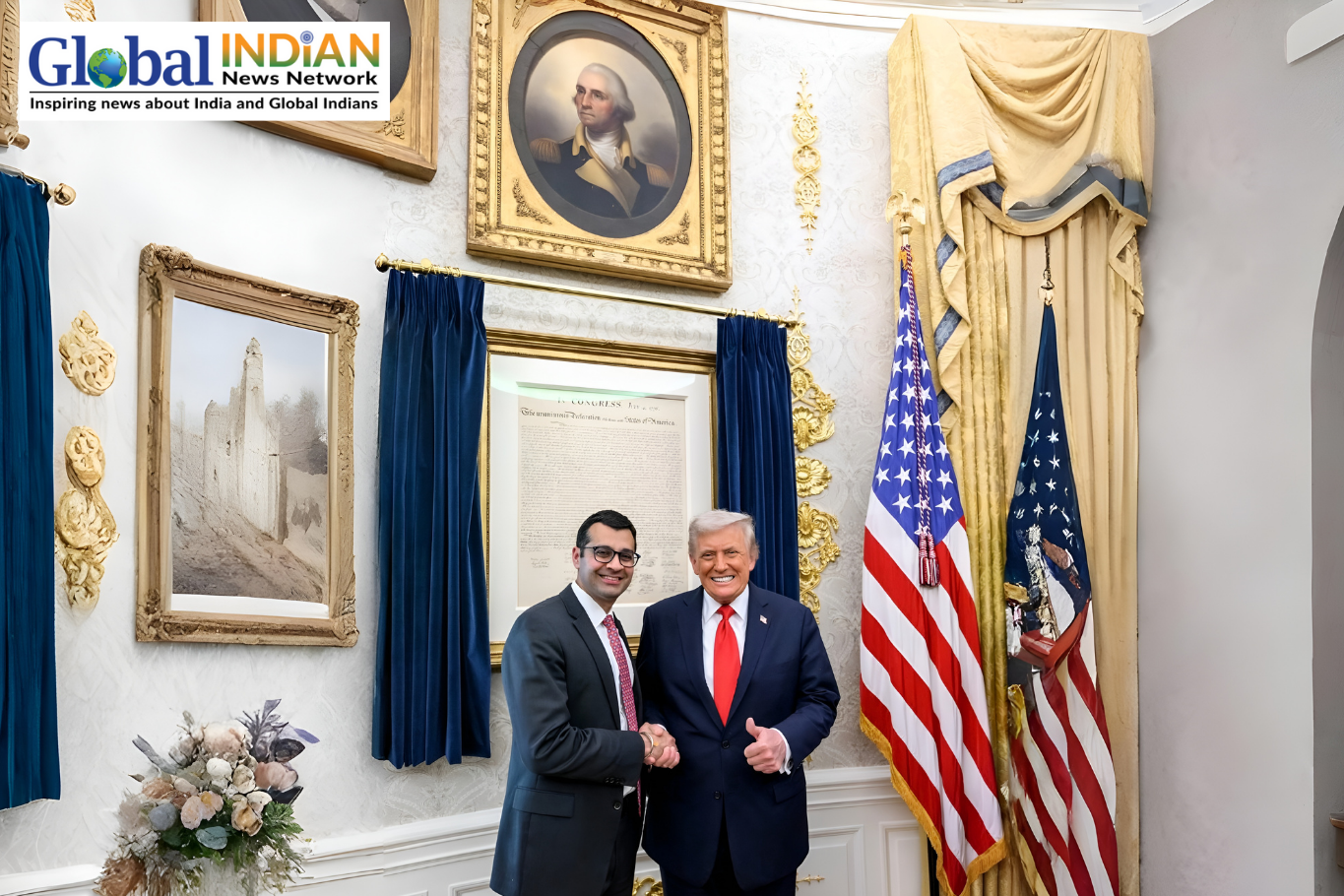
 Indian-origin Ricky Gill, a senior adviser to US President Donald Trump, has emerged as a prominent figure following his recognition by the National Security Council for his alleged involvement in the India-Pakistan ceasefire after Operation Sindoor earlier this year. The development has reignited diplomatic debate, particularly in India, where officials have repeatedly dismissed claims of external mediation in the truce announced on May 10.
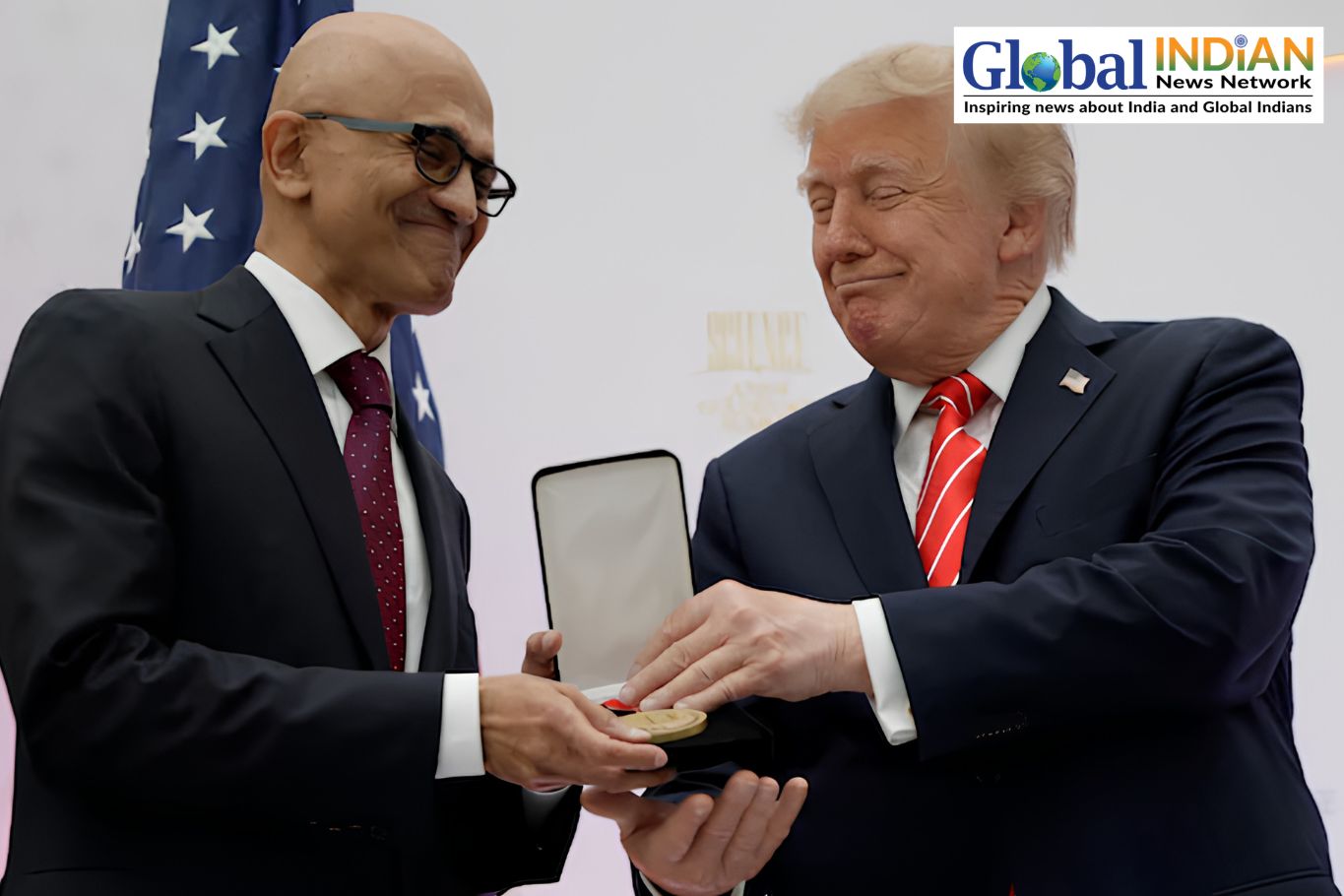
Gill received the NSC’s Distinguished Action Award from US Secretary of State Marco Rubio, a move that has been widely interpreted as reinforcing President Trump’s assertion that Washington played a role in easing tensions between the two nuclear-armed neighbors. However, the Trump administration has not publicly clarified Gill’s exact contribution, leaving room for speculation and criticism.
Born in New Jersey to Punjabi Sikh immigrant parents, Gill is a trained lawyer and currently serves as the NSC’s senior director for South and Central Asia, while also acting as a special assistant to President Trump. His responsibilities include overseeing sensitive geopolitical regions such as India, Pakistan, Afghanistan, and neighboring areas. This position places him at the center of some of the most complex foreign policy challenges faced by the United States.
Gill’s journey into public service began early. At just 17, he was appointed to California’s state board of education by then-Governor Arnold Schwarzenegger, becoming its only student member. He later pursued international affairs at Princeton University’s Woodrow Wilson School, followed by a law degree from the University of California, Berkeley.
During Trump’s first term, Gill handled Russia and European energy security at the NSC and was involved in the controversial relocation of the US Embassy in Israel to Jerusalem, a move that drew global attention and protest. Between government roles, he also worked as a policy adviser for a major North American energy firm connected to cross-border oil infrastructure.
Despite his growing influence, Gill’s award has not been universally welcomed. Former Indian foreign secretary Kanwal Sibal described the recognition as confusing and questioned whether it diluted Trump’s own mediation claims. Other analysts and commentators in India expressed concern that the award contradicted New Delhi’s firm stance that the ceasefire was achieved without third-party involvement.
As Gill continues to play a key role in Trump’s second term, including discussions on trade tensions and regional infrastructure initiatives, the controversy surrounding his recognition underscores the fragile balance between diplomacy, perception, and geopolitical narrative management.