 The Ministry of Ayush is significantly expanding India’s traditional medicine systems on the global stage through extensive international cooperation and partnerships.
According to an official statement, the ministry has signed 25 country-to-country Memorandums of Understanding (MoUs) for cooperation in traditional medicine and homoeopathy. In addition, 15 MoUs have been signed with international institutions to establish Ayush Academic Chairs abroad, while 52 institute-to-institute agreements support collaborative research and academic exchange.
The ministry has also facilitated the establishment of 43 Ayush Information Cells across 39 countries to promote and propagate India’s traditional healthcare systems worldwide.
To strengthen international engagement, the Ayush Ministry has developed a Central Sector Scheme for the Promotion of International Cooperation in Ayush. The initiative supports Indian Ayush drug manufacturers and service providers, boosting exports while enhancing global recognition of Ayush systems.
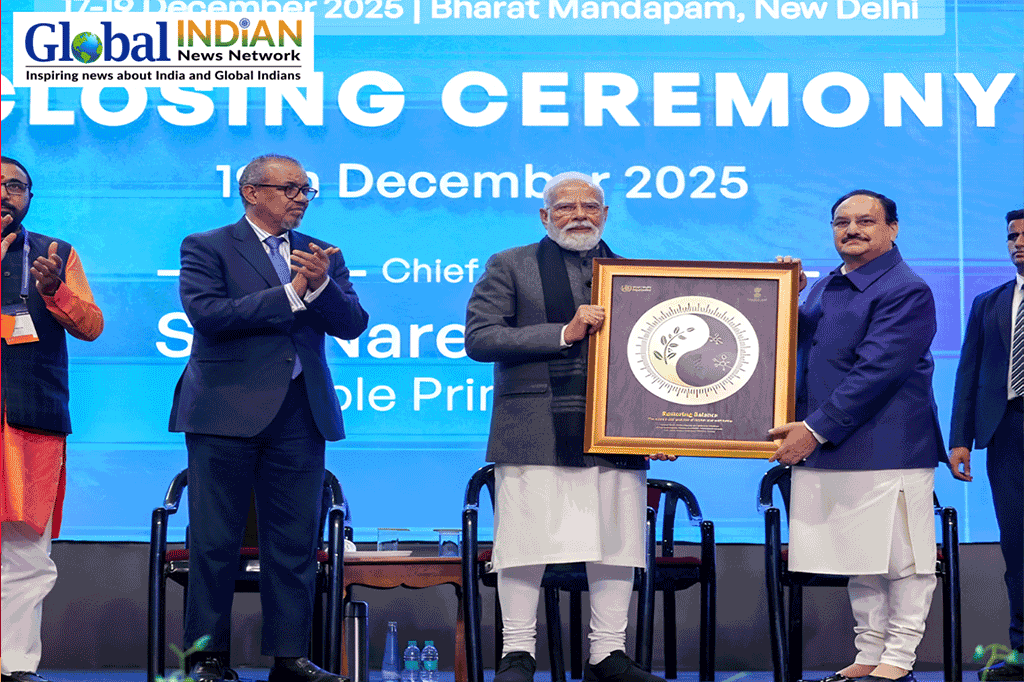
In a landmark step, the ministry signed an agreement with the World Health Organization to establish the WHO Global Traditional Medicine Centre in Jamnagar, Gujarat. The centre supports the implementation of WHO’s traditional medicine strategy and assists countries in integrating traditional medicine into universal health coverage frameworks.
Further strengthening global integration, the Ministry of Ayush and WHO signed an agreement on May 24, 2025, to develop traditional medicine intervention categories under the International Classification of Health Interventions. The initiative focuses on Ayurveda, Siddha and Unani systems.
The agreement marks the beginning of a dedicated traditional medicine module aligned with international health standards, reinforcing India’s vision of bringing its ancient medical wisdom into the global healthcare mainstream.