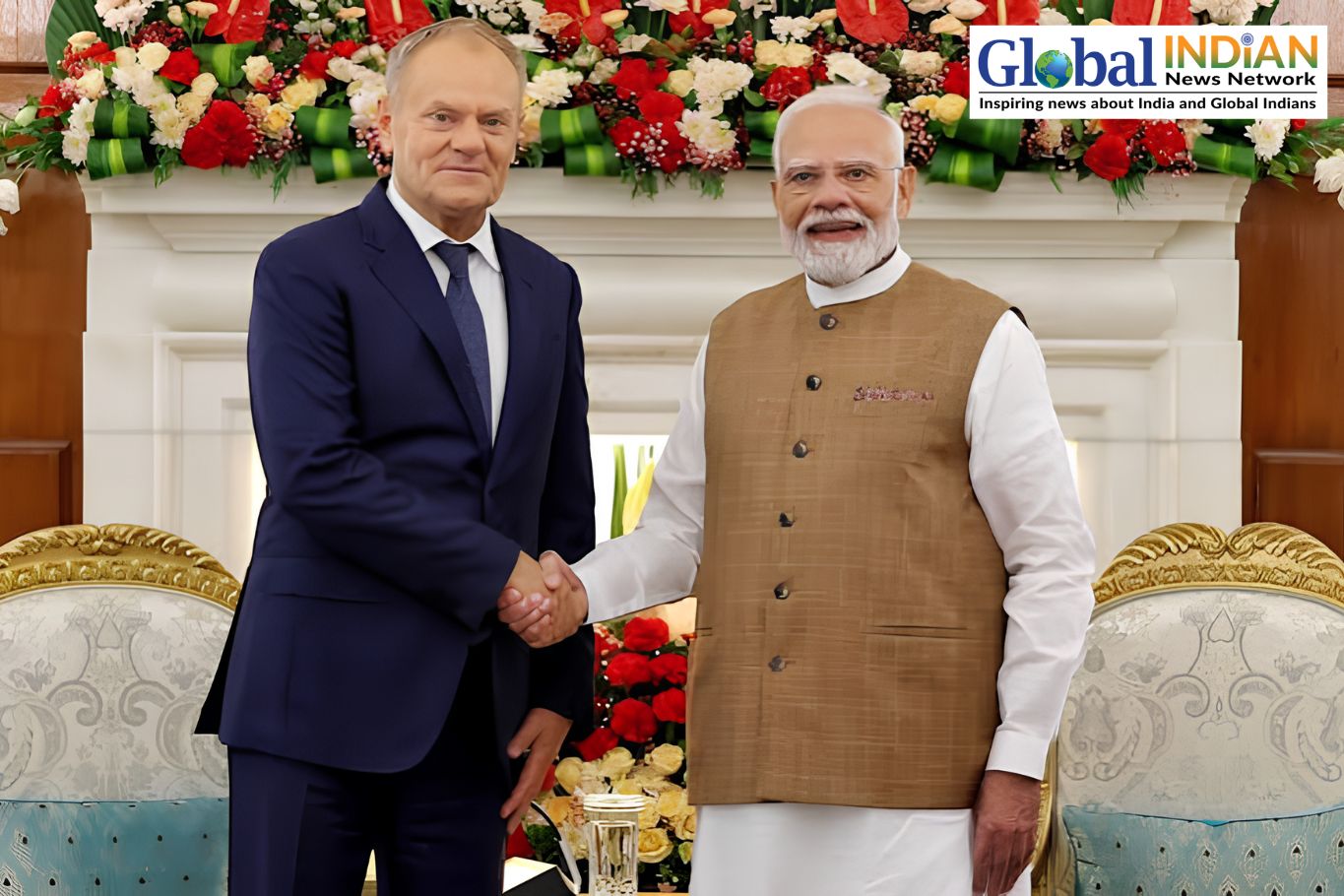
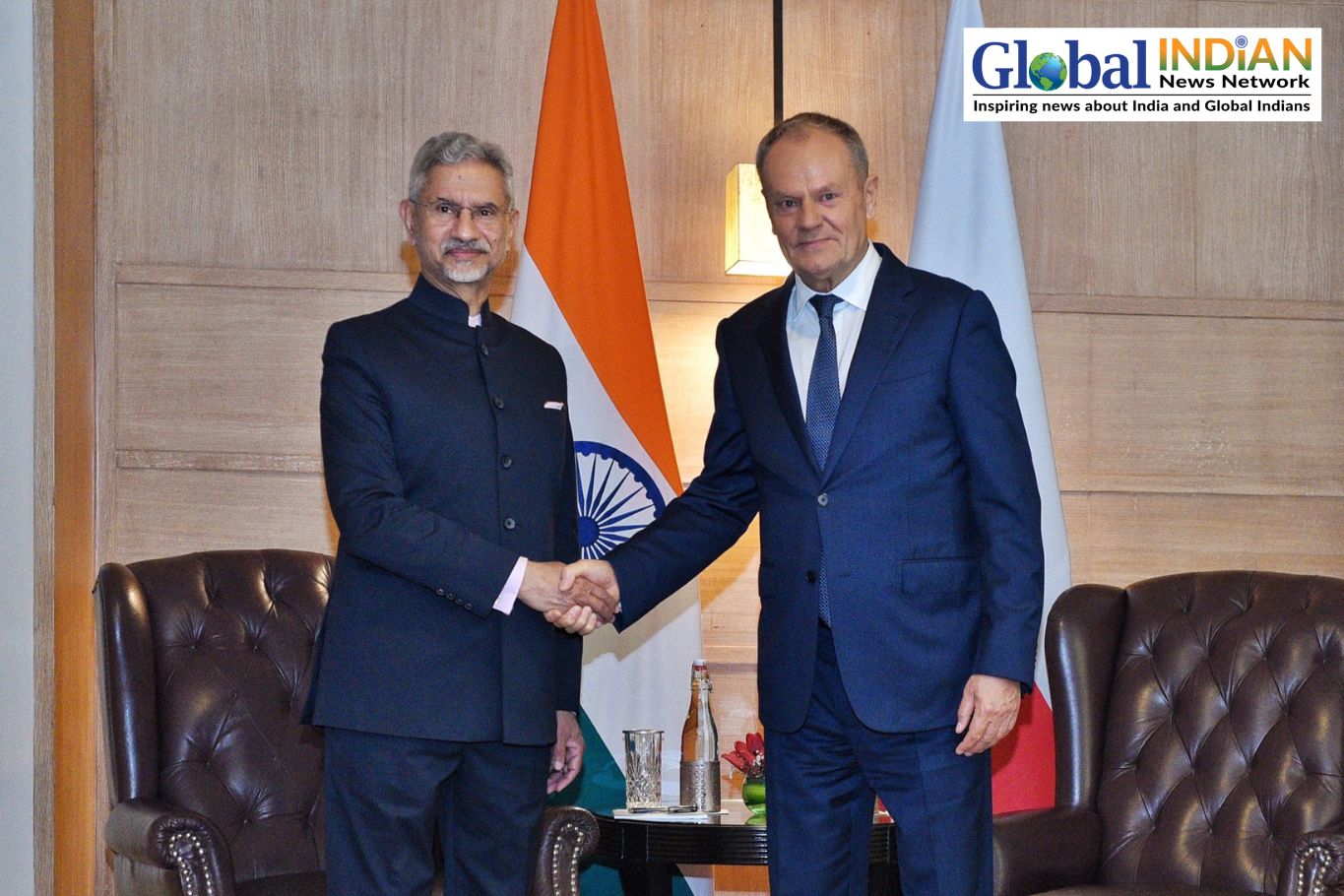
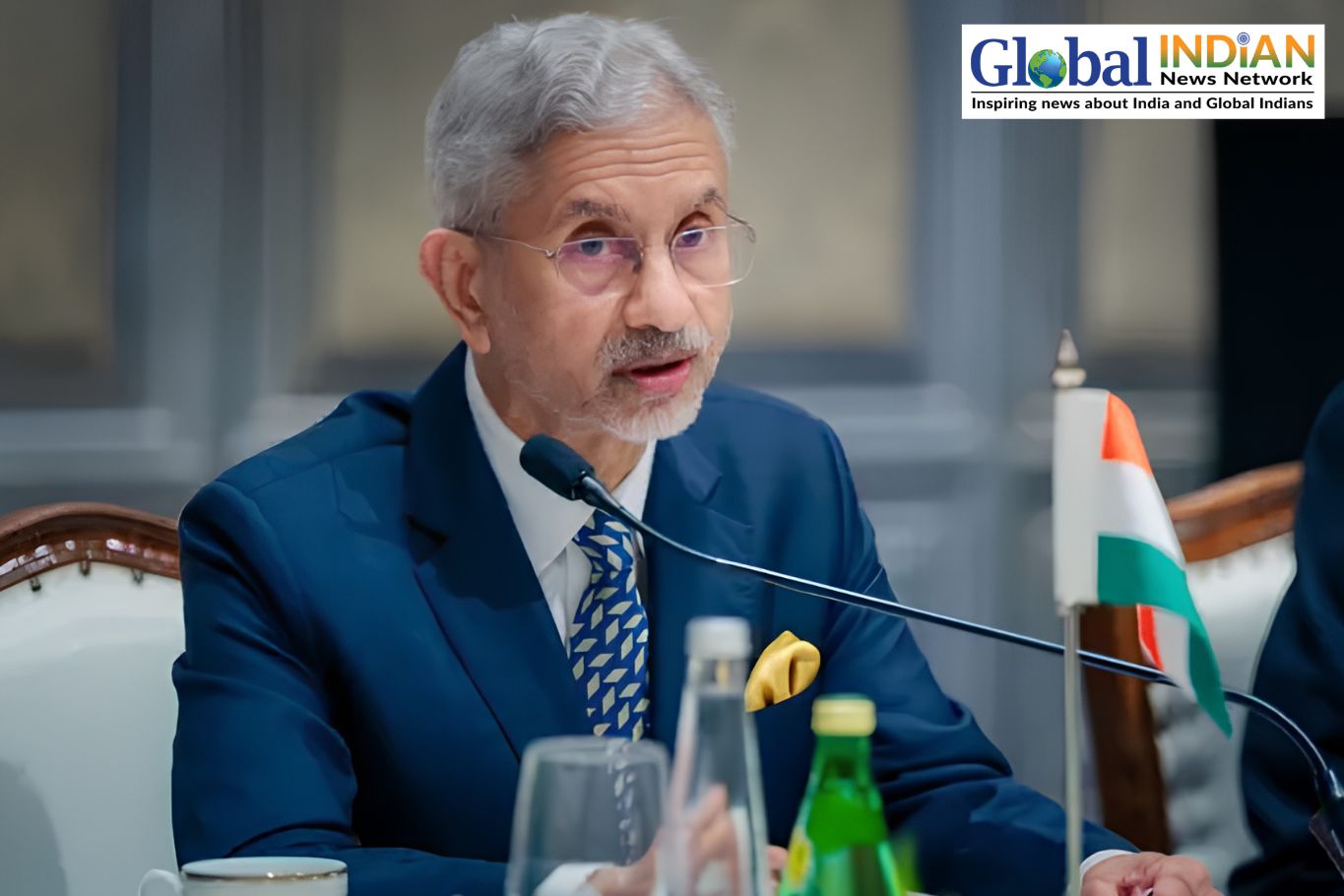
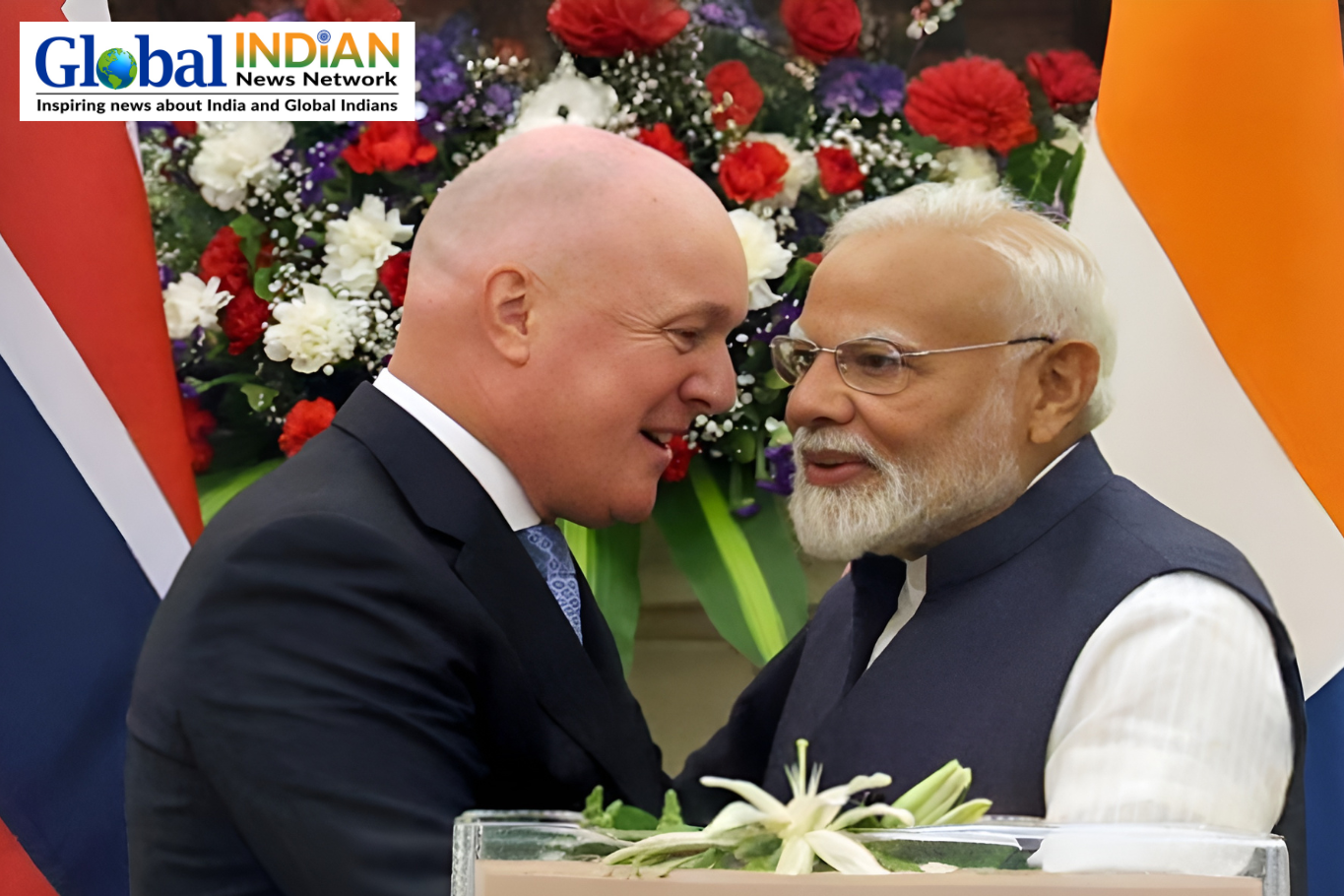
 Prime Minister Narendra Modi and New Zealand Prime Minister Christopher Luxon have announced the successful conclusion of a historic and ambitious India–New Zealand Free Trade Agreement (FTA), marking a major milestone in bilateral relations.
During a telephone conversation on Monday, the two leaders expressed confidence that the agreement would help double bilateral trade over the next five years. They also highlighted New Zealand’s plans to invest $20 billion in India over the next 15 years, reflecting growing economic confidence between the two nations.
According to a statement from the Prime Minister’s Office, negotiations for the FTA began in March this year and were concluded in a record nine months, underscoring strong political will and shared ambition to deepen ties.
The agreement is expected to significantly enhance economic engagement by improving market access, promoting investment flows, and strengthening strategic cooperation. It will also create new opportunities for innovators, entrepreneurs, farmers, MSMEs, students and young professionals across multiple sectors.
Both leaders welcomed progress in other areas of cooperation, including sports, education and people-to-people exchanges, and reaffirmed their commitment to strengthening the India–New Zealand partnership.
Under the agreement, tariffs will be eliminated or reduced on 95 per cent of New Zealand’s exports to India—among the highest coverage in any Indian FTA. Nearly 57 per cent of exports will become duty-free from day one, rising to 82 per cent upon full implementation, with the remaining products seeing sharp tariff cuts.
New Zealand officials said the agreement places their exporters on an equal or better footing compared to competitors and opens access to India’s rapidly expanding middle class. They also noted that India’s economy is projected to reach $12 trillion by 2030, creating vast opportunities for global trade partners.
The India–New Zealand FTA is expected to accelerate export growth, strengthen economic resilience, and further cement India’s role as a key global trade partner.