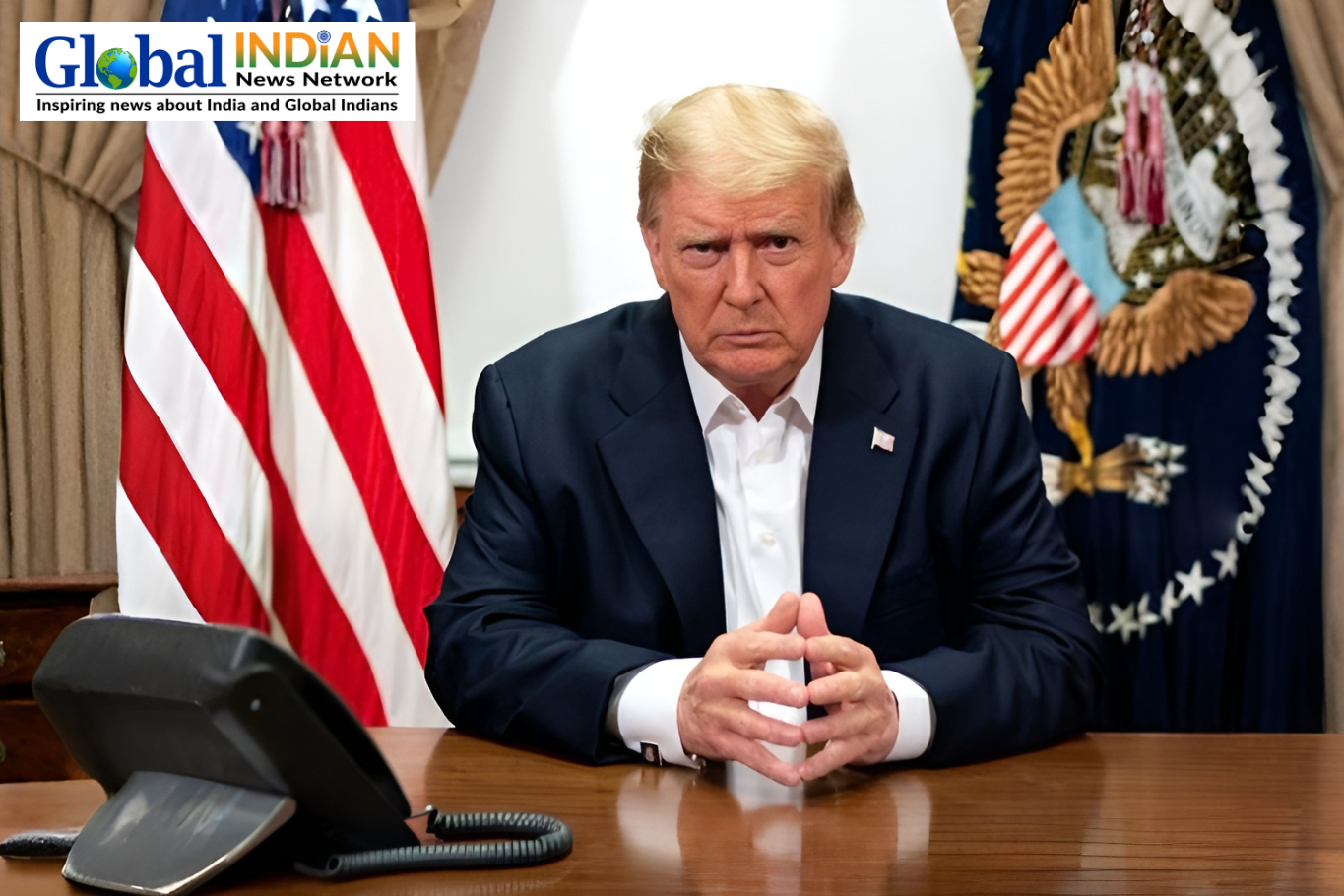
 US President Donald Trump has signed the National Defence Authorisation Act (NDAA) for the Financial Year 2026 into law, reinforcing deeper US engagement with India and other Quad nations to promote a free and open Indo-Pacific while addressing challenges posed by China. Trump stated that the legislation will allow the Department of War to advance his “Peace through Strength” agenda, safeguard the homeland from domestic and international threats, and fortify the defence industrial base.
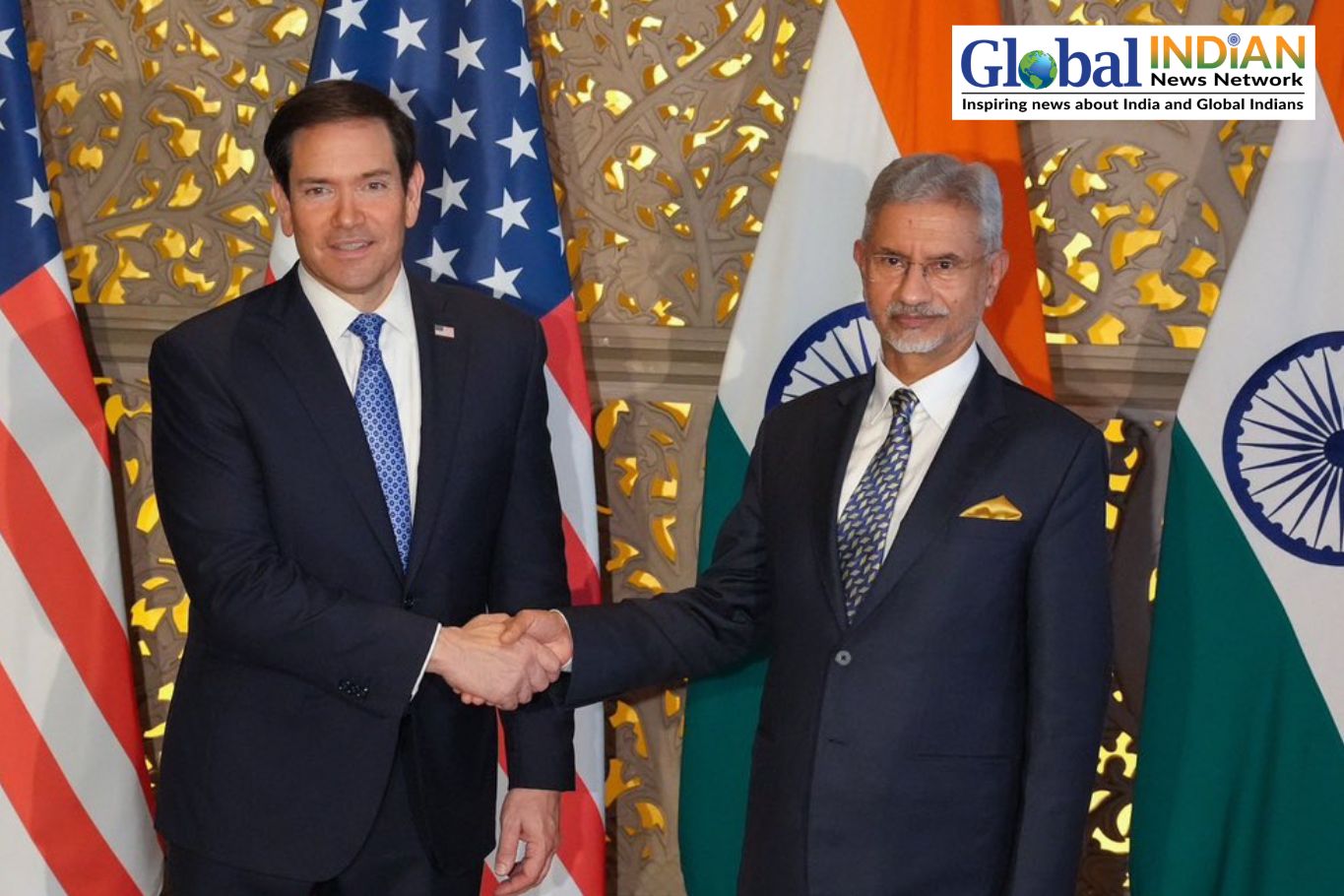
The NDAA 2026 emphasises strengthening US defence alliances in the Indo-Pacific, including expanded cooperation with India through the Quad. It outlines initiatives for joint military exercises, defence trade, maritime security, and humanitarian assistance operations. The law also mandates a security framework aimed at integrating defence industrial capabilities among Indo-Pacific partners, including India, Japan, Australia, and South Korea.
Significantly, the legislation calls for a joint US-India review of nuclear liability rules under the 2008 civil nuclear agreement signed in Washington. India is explicitly acknowledged as a key ally of the United States, underscoring its growing strategic importance in US defence planning.
Overall, the NDAA 2026 reflects a commitment to bolstering US-India defence cooperation, strengthening Quad partnerships, and enhancing regional security, while supporting the development of a resilient and integrated defence industrial base across Indo-Pacific allies.