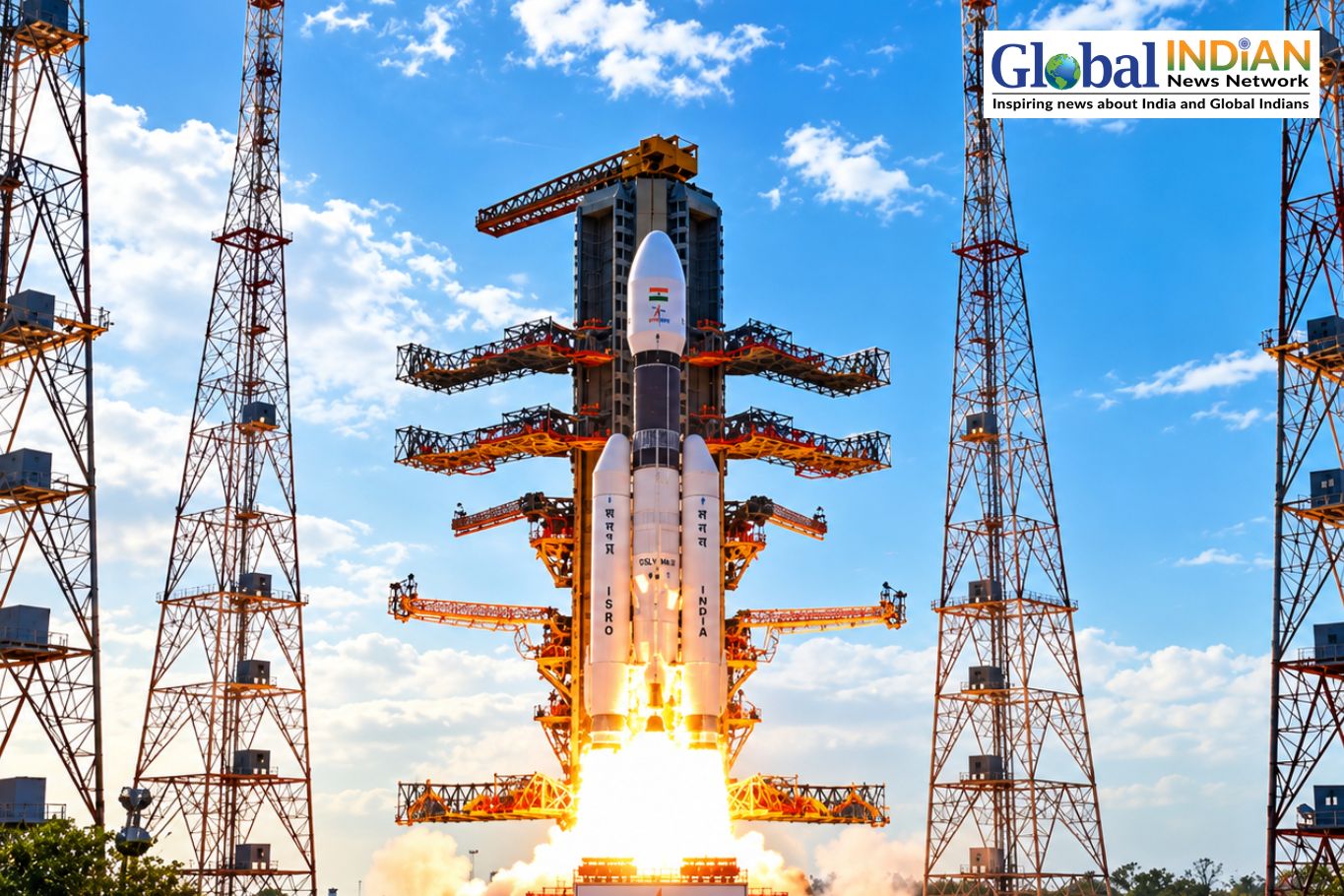
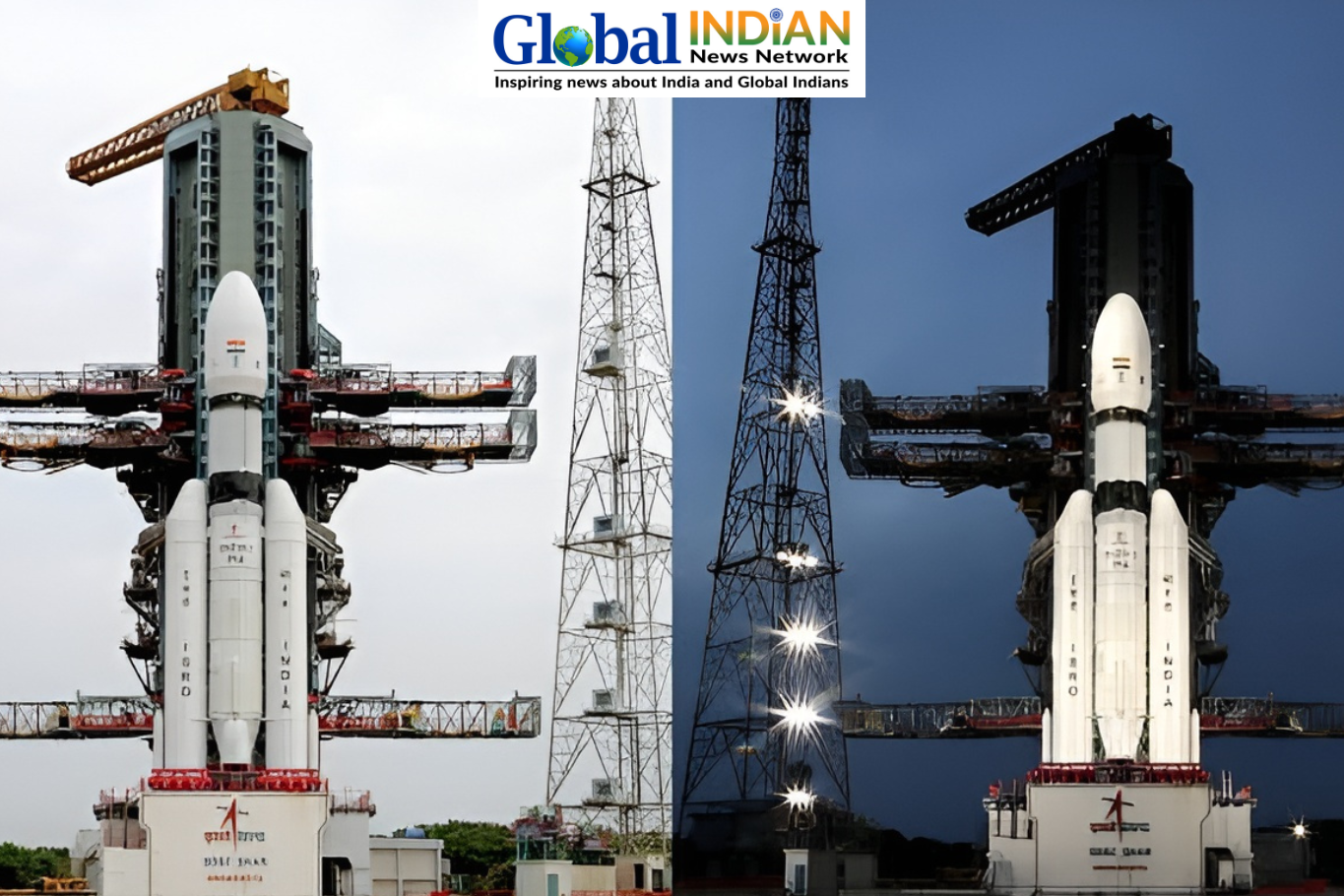
 Indian Space Research Organisation (ISRO) Chairman V. Narayanan announced on Thursday that the next two major lunar missions—Chandrayaan-4 and Chandrayaan-5—have officially received approval and are scheduled for launch by 2028. Addressing reporters, Narayanan stated that both missions fall under the agency’s approved timeline, confirming that ISRO is moving steadily toward its next phase of lunar exploration. When asked to share further details about the design or objectives of the two missions, he declined, noting that no additional information could be disclosed at this stage.
Beyond lunar exploration, Narayanan emphasized that ISRO continues to heavily invest its energy and resources into areas that directly support national development, particularly agriculture, water systems, and disaster-related services. He described disaster warning and mitigation as among the most critical domains where ISRO’s satellite-based insights play a central role. According to him, the agency closely tracks floods, evaluates the extent of damage, and issues early alerts designed to help authorities prepare in advance. He noted that ISRO’s forecasting capabilities have improved significantly, allowing for earlier and more accurate warnings that can save both lives and resources.
Narayanan also highlighted ISRO’s ongoing partnerships with the Government of India’s Agricultural Department and multiple agricultural universities across the country. Through these collaborations, ISRO aims to expand the use of satellite data to enhance productivity and optimize crop planning. He pointed out that agricultural applications remain an important part of ISRO’s mission, especially tools that help estimate harvest potential. The agency currently conducts yield forecasting for at least nine major crops, using space-based observations to offer reliable projections to policymakers and agricultural planners.
With Chandrayaan-4 and Chandrayaan-5 now on the calendar for a 2028 launch, ISRO’s agenda reflects a dual commitment: pushing the boundaries of space exploration while simultaneously expanding the daily impact of satellite technology across India. Whether through lunar research, disaster readiness, or enhancing crop output, the agency continues to position space science as a powerful instrument for national progress.