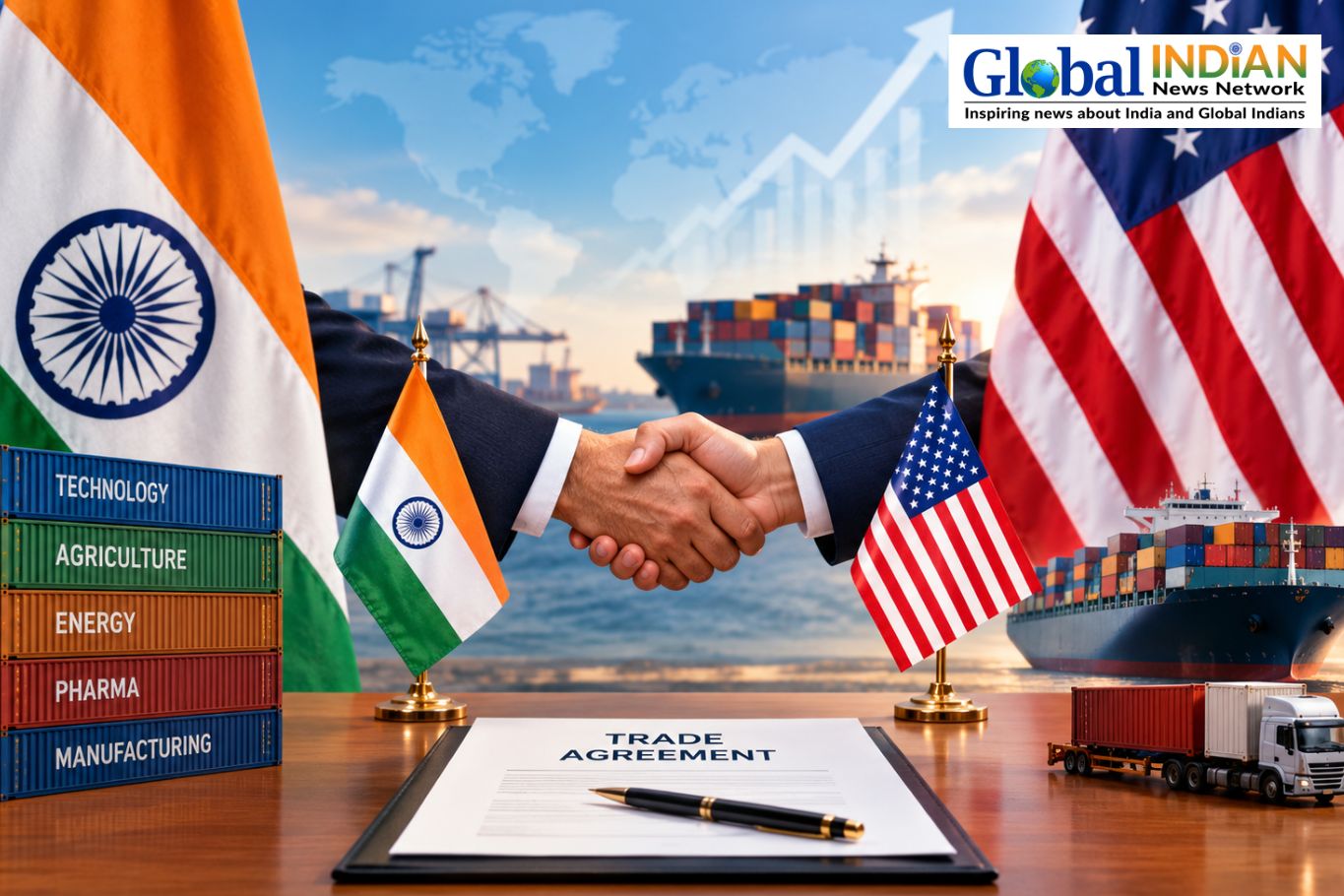
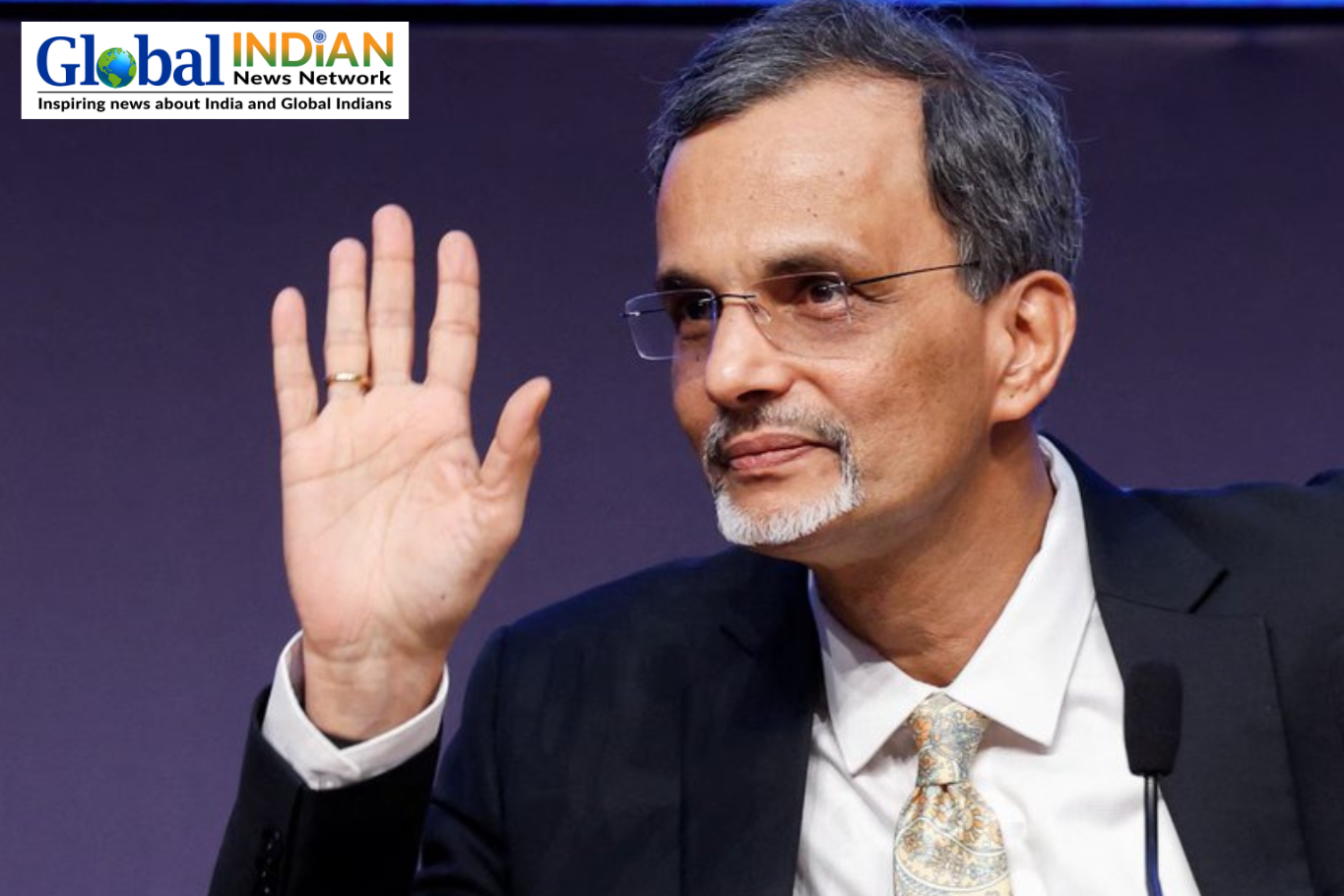
 India and the United States have made substantial progress in settling long-standing trade disagreements, and officials now believe a long-awaited bilateral trade pact could finally be sealed by March. Chief Economic Adviser V. Anantha Nageswaran said the overall outlook for FY27 remains positive and noted that the Indian rupee continues to trade below its true value when compared with economic fundamentals.
Speaking with Bloomberg Television’s Haslinda Amin, Nageswaran said he would be genuinely surprised if the long-pursued agreement with Washington does not come together by the close of the financial year. He admitted he initially expected the deal to be wrapped up by November but added that negotiations had proven more time-consuming than anticipated. Even so, he expressed confidence that both countries are approaching the finish line.
His remarks come at a time when optimism is building on both sides. U.S. officials have indicated that India’s latest proposals are among the strongest they have reviewed in recent years. A recent PTI report quoted U.S. Trade Representative Jamieson Greer saying that India’s submissions were some of the most constructive Washington has received, even as a few gaps remain—particularly on market access for American agricultural items such as corn, wheat, soybeans, and cotton. Still, Greer acknowledged India’s unusually proactive approach in the current round of talks.
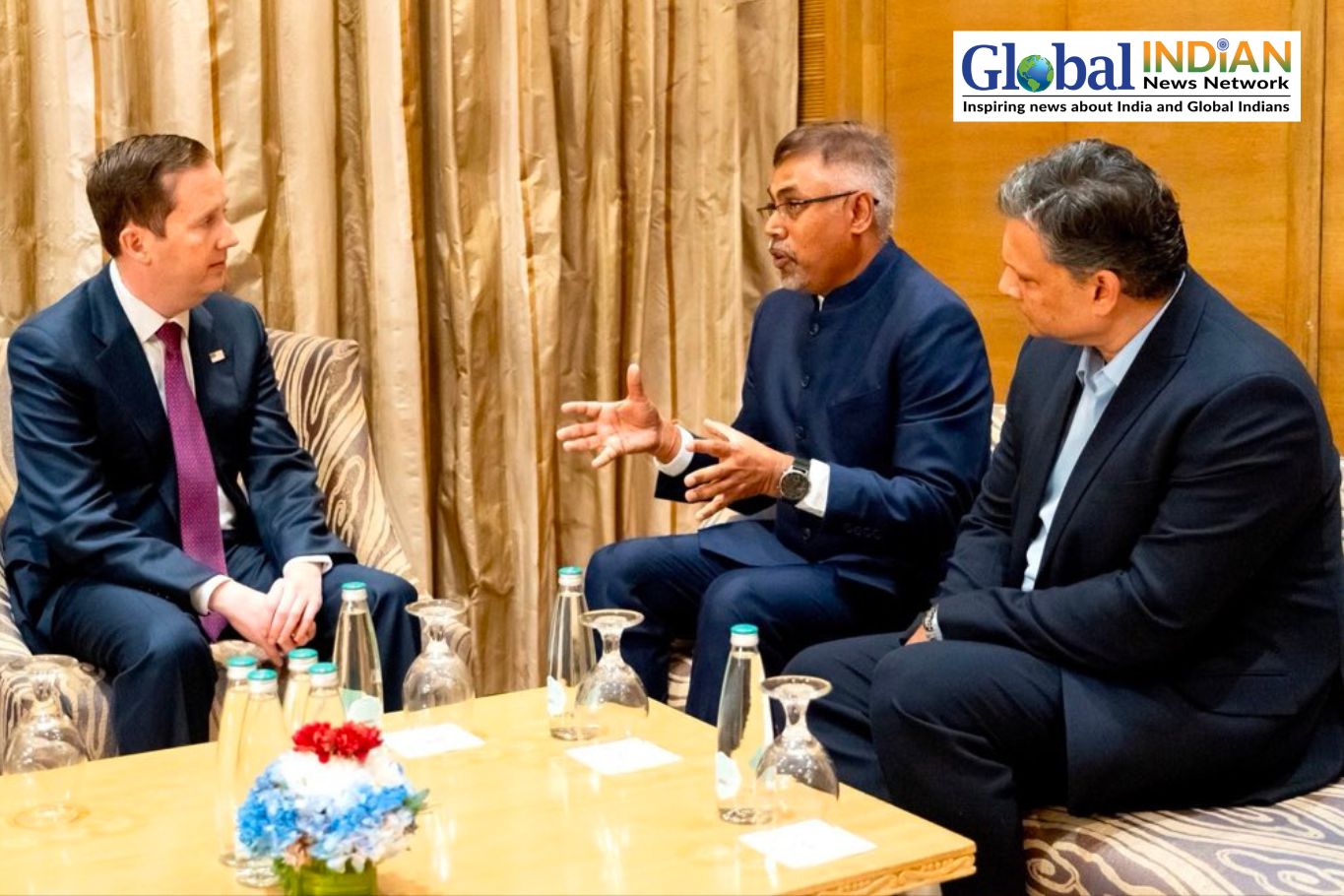
Negotiating teams from both nations met in New Delhi this week for two days of discussions intended to push forward the first phase of the Bilateral Trade Agreement (BTA). This initial phase focuses on ironing out tariff-related issues, a milestone originally expected earlier in the year. Despite delays, Indian officials believe the broad framework can still be settled before December ends.
U.S. representatives are currently in India to bridge the last remaining differences. New Delhi views the proposed pact as essential to addressing Washington’s steep 50% punitive tariffs, which have been a major point of friction. Nageswaran emphasized that the momentum behind these talks stems from both economic priorities and broader geopolitical shifts.
On the domestic front, Nageswaran said India’s economy continues to show resilience despite global uncertainty. Exporters, he noted, have adapted well, finding new markets to cushion the impact of tariffs. He credited structural reforms implemented over the past decade for strengthening long-term growth fundamentals. Consumption remains steady, rural indicators are encouraging, and inflation has stayed relatively contained.
Nageswaran added that the rupee—estimated to be 5% to 15% lower than fundamentals would suggest—has actually offered exporters an advantage in an unsettled global environment.