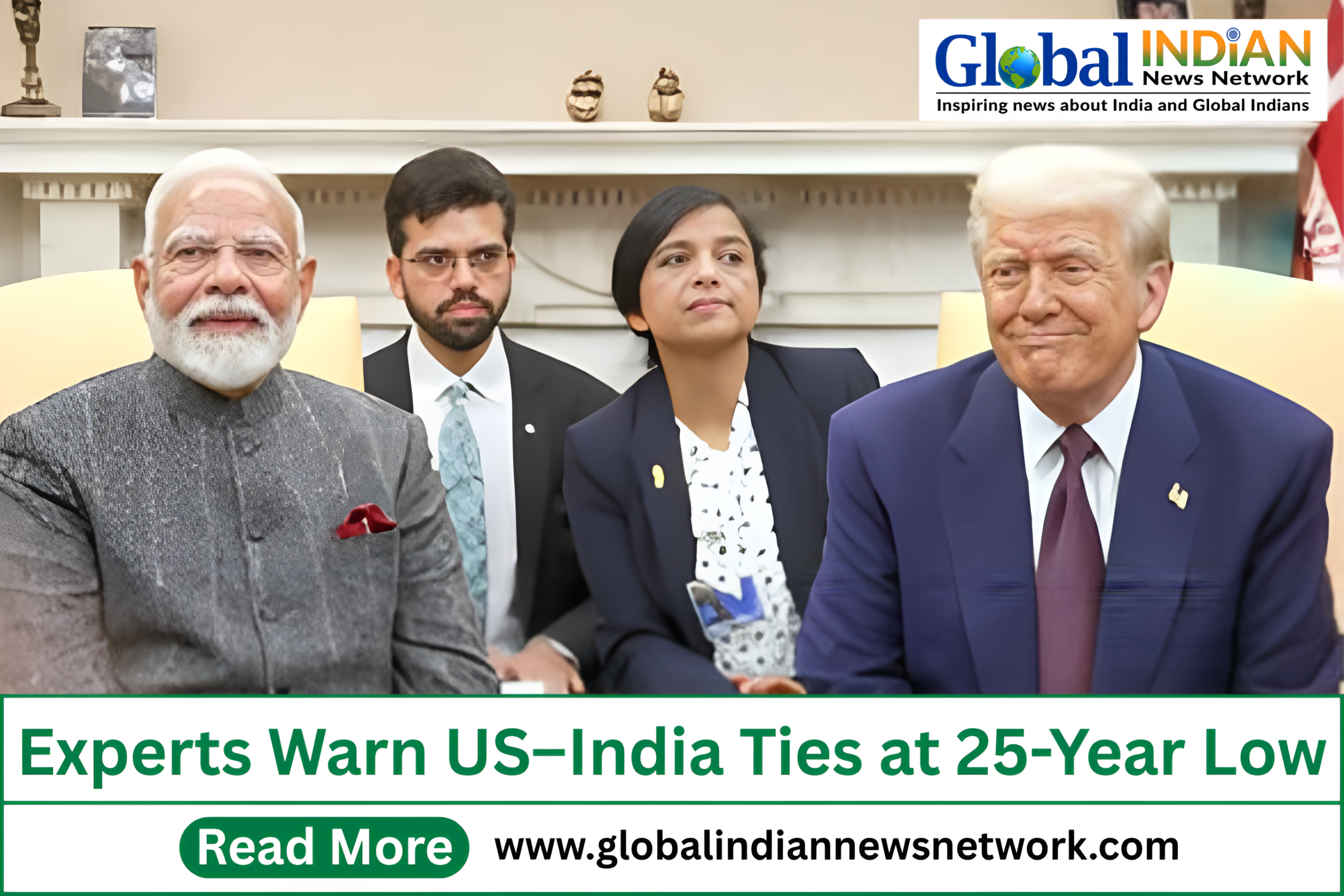
 A panel of leading American strategic experts has warned that the United States and India are passing through one of the most fragile phases in their bilateral relationship in nearly 25 years, with political mistrust, stalled trade discussions and geopolitical pressure eroding what has long been viewed as a critical Indo-Pacific partnership.
Speaking at a discussion hosted by the Centre for a New American Security (CNAS) in Washington, Richard Fontaine noted that bipartisan efforts in both countries over the last two decades had transformed the relationship and made it central to addressing China’s rise. “But we’re in a different place now,” he said, citing hardened rhetoric, a trade dispute and growing scepticism in Washington. Some policymakers, he added, view the relationship as being at its “lowest point in the past 25 years.”
Lisa Curtis, Senior Fellow at CNAS and a former senior US official, offered the starkest assessment: “The US-India relationship is probably in the worst shape it’s been in in almost 25 years.” She argued that the downturn feels particularly sharp because expectations had been high at the start of Donald Trump’s second term, following landmark moments such as the ‘Howdy Modi’ event and US support during India’s border crisis with China.
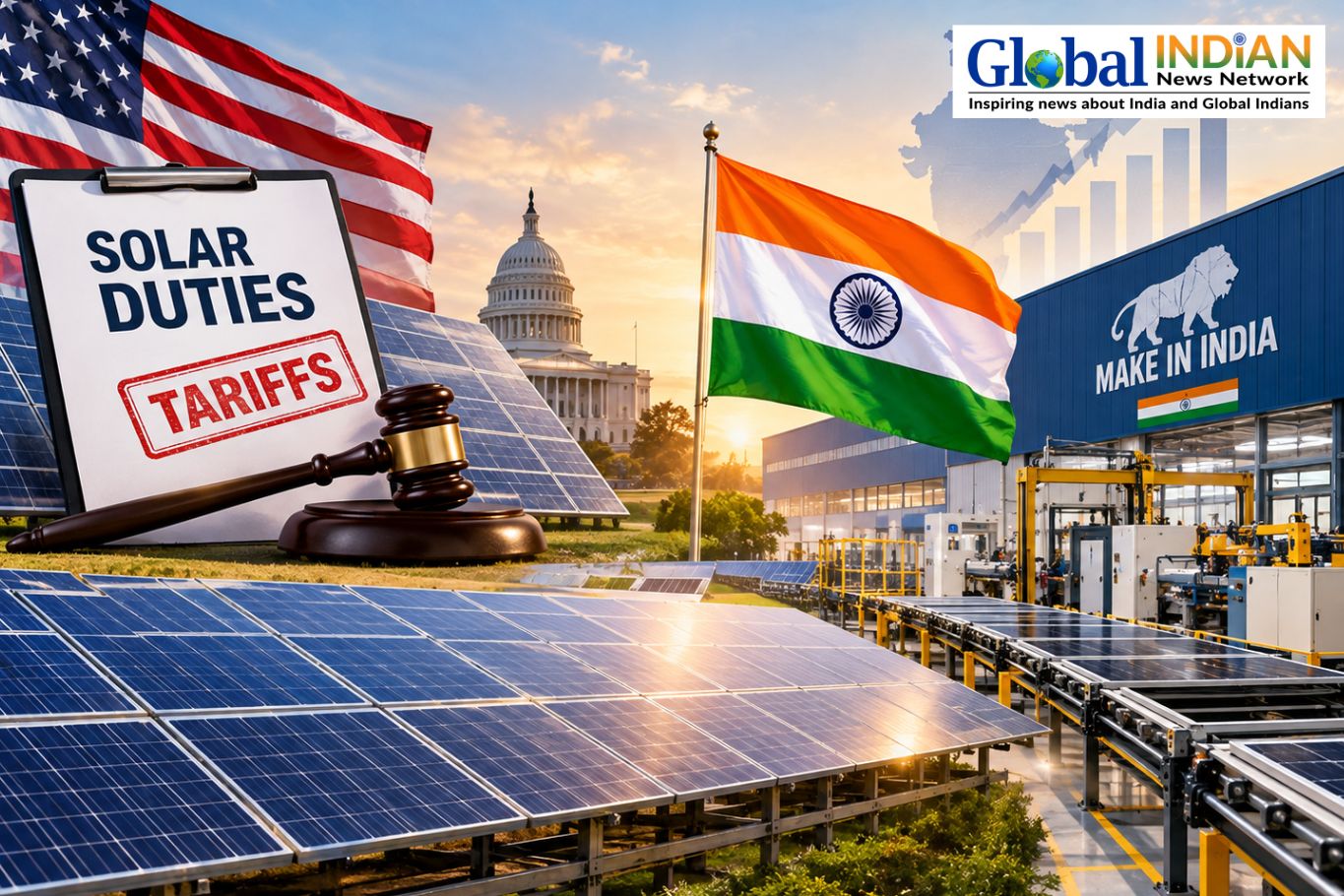
Instead, Curtis pointed to steep tariff hikes, “insulting social media posts” by senior US officials, and the controversial Oval Office invitation to Pakistan Army Chief Gen. Asim Munir weeks after a major terror attack in Jammu & Kashmir. She said Prime Minister Narendra Modi’s hosting of Russian President Vladimir Putin this week would be viewed in Washington as “bad timing,” though not surprising given India’s desire to assert its strategic autonomy.
Lindsey Ford of ORF America said the downturn reflects the absence of strong political champions in both capitals, stressing that there has never been anything “easy or natural” about the partnership. “It has taken high-level champions in both governments,” she said, and currently “it’s unclear who the champions are.” Still, Ford argued that a closer partnership remains essential if the US views China’s rise as a generational challenge.
Tanvi Madan of the Brookings Institution said India’s engagement with Russia must be seen through its long-standing strategy of diversification, not as a realignment. India seeks security, prosperity, status and autonomy, she said, maintaining a broad mix of partners across Asia and the West. Moscow’s ties with Pakistan and China, she noted, place clear limits on India–Russia ties even as Delhi presses Russia to buy more Indian goods to correct a sharp trade imbalance.
Despite the political strains, Madan observed that “functional cooperation is continuing,” including defence exercises and technology interactions. The moment, she said, underscores both “how fragile the relationship is” and “how resilient it still is.”